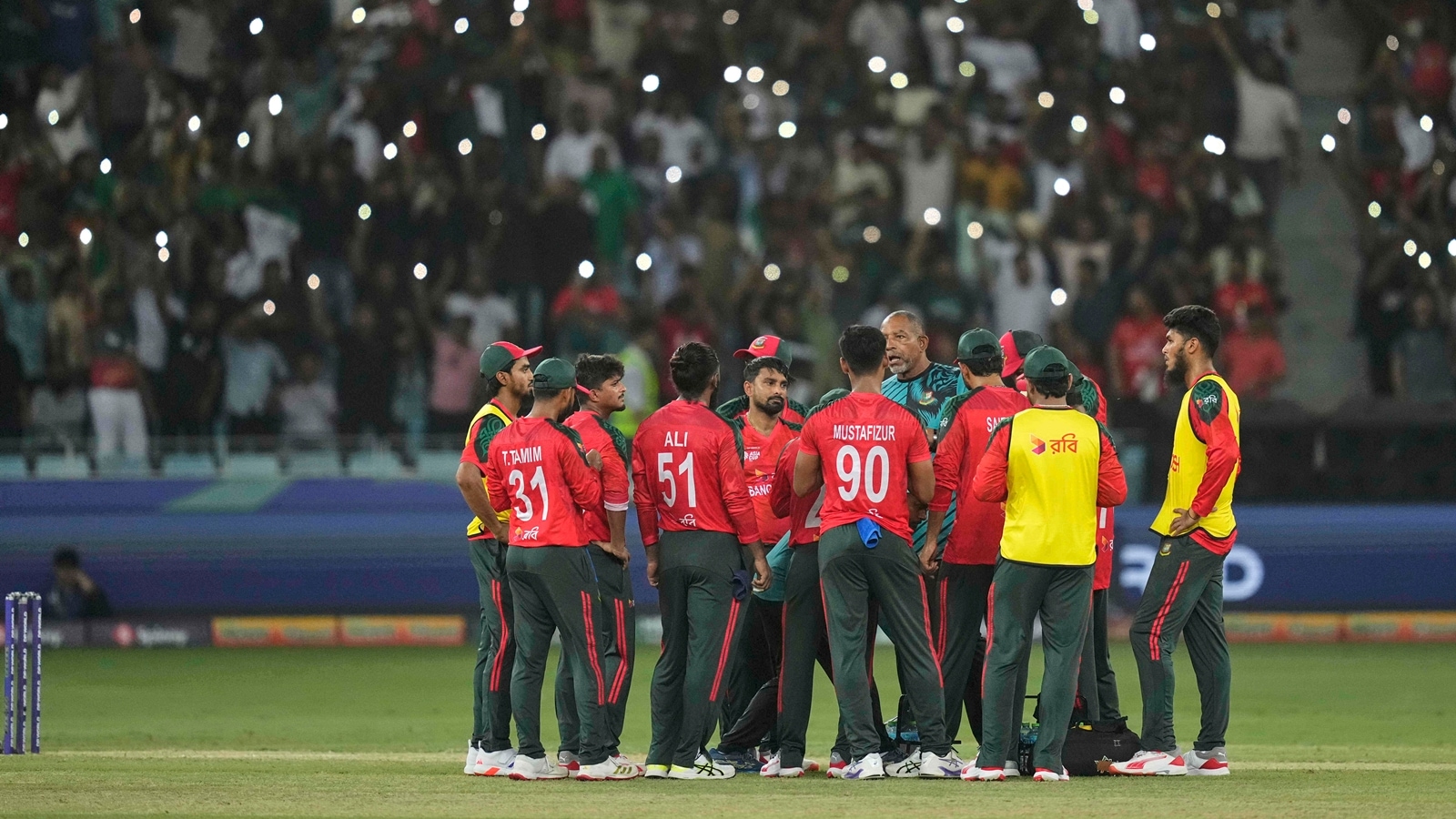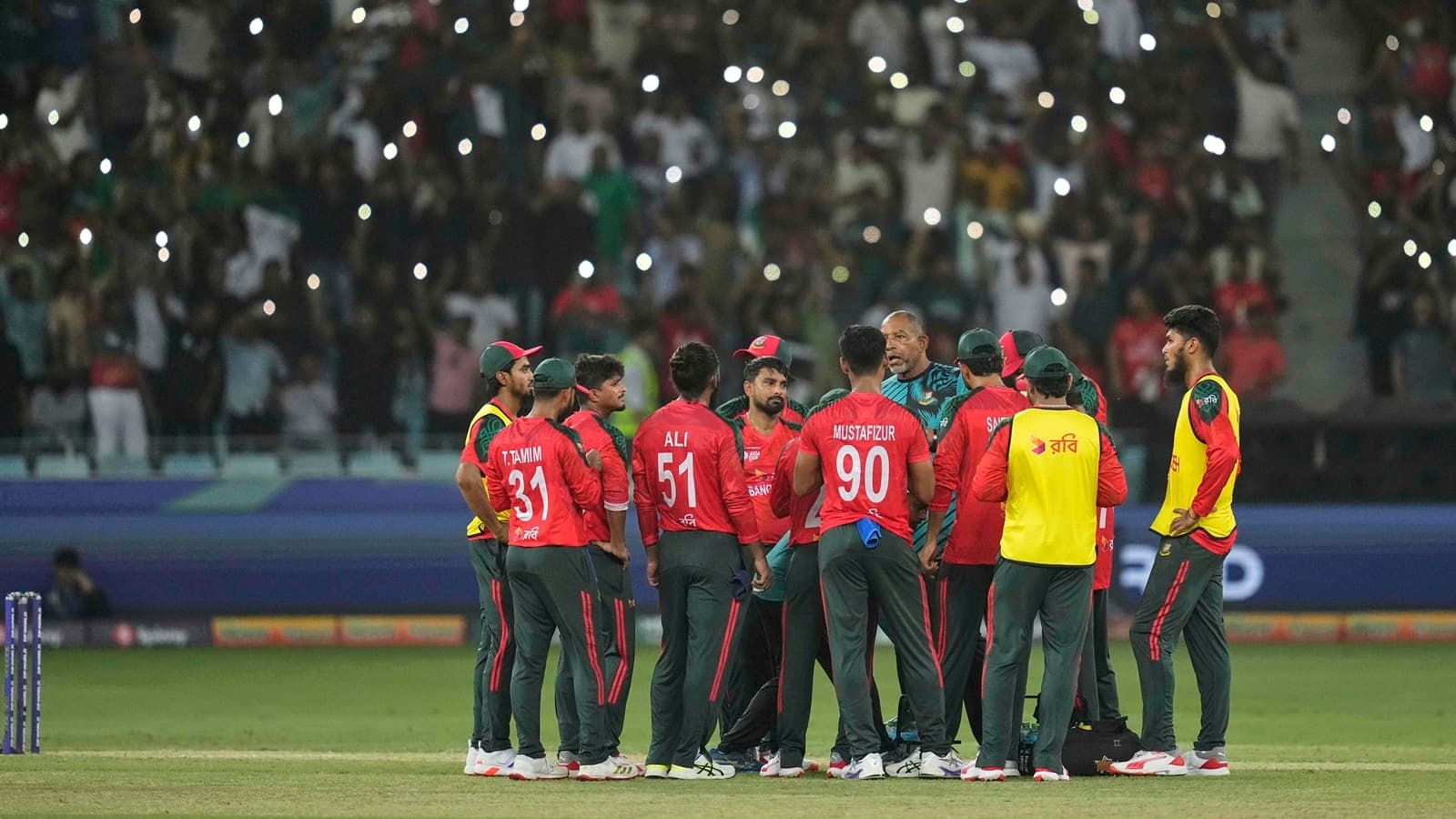
BCB's Strategic Move to Enhance Bilateral Ties
In a significant development in international cricket, the Bangladesh Cricket Board (BCB) has reached out to the Board of Control for Cricket in India (BCCI) to enhance bilateral ties following its controversial pullout from the T20 World Cup. This initiative marks a critical moment for both boards, as they aim to foster a stronger cricketing relationship that benefits both nations.
The BCB's approach comes as a response to the challenges faced in the cricketing calendar, particularly after Bangladesh's decision to withdraw from the T20 World Cup. The pullout, primarily due to logistical issues and player unavailability, raised eyebrows and sparked debates about the impact on Bangladesh's reputation in the cricketing arena.
In a recent statement, BCB President Nazmul Hassan expressed the board's commitment to building a robust relationship with the BCCI. "We understand the importance of cricket diplomacy. Strengthening ties with India is crucial for us," he remarked. The Bangladesh board aims to engage in more bilateral series with India, which could lead to increased exposure for Bangladeshi players and enhance their experience on international platforms.

The historical backdrop adds weight to this initiative. India and Bangladesh have shared a competitive yet respectful cricketing rivalry since Bangladesh’s Test status was granted in 2000. Over the years, matches between the two nations have garnered significant viewership and stirred passionate fan bases. However, the recent pullout has created ripples that both boards must address effectively.
The Importance of Bilateral Series
Bilateral series serve as a cornerstone for developing cricketing nations. They create opportunities for players to showcase their talents and gain invaluable experience. For Bangladesh, playing against a cricketing powerhouse like India can be a game-changer. The series not only elevates the competitive standard but also enhances the skill set of Bangladeshi players, preparing them for larger tournaments.
Consider the case of players like Shakib Al Hasan and Tamim Iqbal, who have thrived in pressure situations against India. Their performances in high-stakes matches have often turned the tide for Bangladesh. Regular encounters with India can only bolster their confidence and skill levels, ensuring that the team remains competitive on the global stage.
Financial Implications and Fan Engagement
The financial aspect of such bilateral series cannot be overlooked. India, being one of the largest markets in cricket, offers lucrative broadcasting deals and sponsorship opportunities. By rekindling cricket ties, the BCB aims to tap into this market, ensuring better financial stability for domestic leagues and grassroots cricket initiatives.
Additionally, fan engagement is paramount. Cricket enthusiasts from both nations share a rich history, and matches between India and Bangladesh often lead to packed stadiums and high television ratings. For instance, the recent T20 matches saw a spike in viewership, demonstrating the passion that exists. The BCB aims to leverage this enthusiasm to enhance cricket's profile in Bangladesh while fostering goodwill with Indian fans.
Learning from Recent Challenges
The decision to pull out from the T20 World Cup has been a learning experience for the BCB. It highlights the need for better planning and communication, especially concerning player availability and logistics. The board has recognized these gaps and is working towards rectifying them for future tournaments.
In discussions with the BCCI, the BCB is also looking to explore training camps and player exchanges. Such initiatives can pave the way for knowledge-sharing, enabling Bangladeshi players to learn from their Indian counterparts. This collaborative approach could see a new generation of cricketers emerging, equipped with skills honed in competitive environments.

The Role of IPL in Strengthening Ties
The Indian Premier League (IPL) plays a significant role in this context. The presence of Bangladeshi players in the IPL has been a subject of interest, with stars like Shakib and Mustafizur Rahman making notable impacts. The IPL not only provides financial incentives but also exposes players to high-pressure situations, enhancing their overall game.
The BCB could explore partnerships with IPL franchises to facilitate player development programs. This could include pre-season training camps, mentorship from experienced players, and even opportunities for young cricketers to participate in practice matches. Such initiatives can bridge the gap between the two cricketing nations and create a pipeline of talent ready for international challenges.
Looking Ahead: A Collaborative Future
As the BCB seeks to enhance its relationship with the BCCI, the focus must remain on creating sustainable cricketing pathways. This relationship should not only be confined to bilateral series but extend to youth development, coaching exchanges, and infrastructural support.
In conclusion, the BCB's outreach to the BCCI represents a pivotal moment in South Asian cricket. By addressing past challenges and fostering a collaborative spirit, both boards can work towards a future filled with competitive cricket and mutual respect. As the cricketing world watches, the next steps taken by both the BCB and BCCI will be crucial in shaping the dynamics of international cricket in the coming years. For now, fans can look forward to a promising trajectory marked by frequent encounters between these two cricketing nations.
For more insights on the IPL and its impact on cricketing relations, check out our articles on Vaibhav Sooryavanshi and Sarfaraz Khan: IPL's New Powerhouses and Glenn McGrath Rates IPL's Best Bowlers: A New Era?.