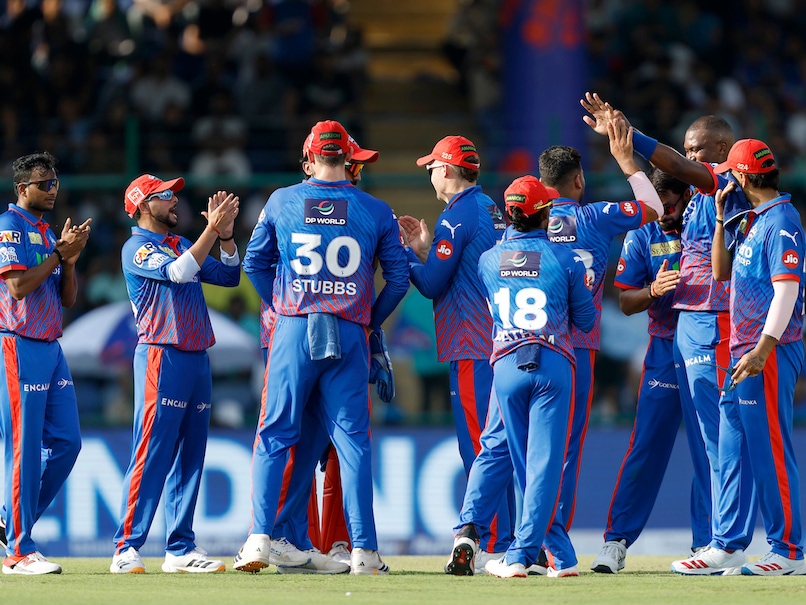
The Growing Controversy of the Impact Player Rule
As the IPL 2026 season unfolds, the debate surrounding the Impact Player rule intensifies. Introduced to inject excitement into matches, this rule allows teams to substitute a player from a designated list of five at any point during the game. However, several prominent players have voiced their dissatisfaction, arguing that it undermines the skill and strategy necessary in cricket. Axar Patel, the all-rounder for Delhi Capitals, has been particularly vocal, stating, "It takes out a lot of skill from the game." His sentiments have been echoed by others, including Kyle Jamieson, who recently added his voice to the chorus of criticism.
The rule was intended to enhance competitiveness, allowing teams to respond dynamically to match situations. Yet, it appears that the execution may be overshadowing its original intent. Critics argue that cricket, traditionally a game of patience and skill, is becoming a spectacle driven more by tactics than individual talent. The implications of the rule extend beyond personal opinions; they challenge the very foundation of how cricket is played and perceived.
Player Reactions and Concerns
Axar Patel's remarks are not isolated. Former players and analysts have also raised red flags about the potential ramifications of this rule. Patel emphasized the importance of maintaining the essence of cricket, which he feels is compromised by the ease of substituting players mid-game. The crux of the argument lies in the reliance on tactical maneuvers rather than raw skill. For a sport that has thrived on the prowess of its players, this shift raises questions about the future of the game.
Kyle Jamieson, the Kiwi pacer, joined the fray by stating, “The Impact Player rule could lead to a situation where teams rely excessively on strategic substitutions, reducing the importance of every player's contribution throughout the innings.” This sentiment resonates with many who view the rule as a double-edged sword. While it offers teams flexibility, it also diminishes the significance of performance consistency over the course of a match.

The Traditionalists Speak Out
The pushback against the Impact Player rule isn't confined to current players. Former legends of the game have also expressed their discontent. Analysts like Wasim Akram and Brian Lara have argued that cricket should remain a contest of skill and endurance. Lara noted, "The beauty of cricket lies in the strategy that evolves over the course of the innings, not just in isolated moments of brilliance." This perspective highlights a fundamental truth about the sport: while innovation is crucial, it should not come at the expense of tradition.
In response to the backlash, the IPL governing body has maintained that the rule is here to stay, citing its potential to create thrilling finishes and unexpected turns in matches. However, as the season progresses, the question remains whether the allure of these last-minute twists can truly compensate for the erosion of cricket’s core values. The IPL has always been a melting pot of cultures and styles, and it seems that this rule has sparked a debate that might shape its future.
Understanding the Impact of the Change
The Impact Player rule was designed to cater to the evolving nature of T20 cricket, where every run and wicket counts significantly. In a high-stakes environment, substitutions provide teams with an opportunity to counter specific situations. For example, a team struggling against spin might opt to bring in a specialist batter, hoping to turn the tide. Nonetheless, the implications of this flexibility must be balanced against the foundational skills that have defined the game for centuries.
As cricket continues to evolve, the challenge remains: how do we embrace change while respecting tradition? The Impact Player rule is a test case for this dilemma. It seems to pander to the audience's desire for excitement but risks alienating purists who cherish the game's innate competitive spirit. The cricketing fraternity must find a way to innovate without sacrificing the essence of the sport.
A Broader Perspective on T20 Evolution
The controversy surrounding the Impact Player rule reflects a broader trend in T20 cricket. As franchises focus on maximizing their chances of winning, the balance between strategy and skill becomes increasingly delicate. The introduction of technology, such as analytics and data-driven decision-making, is reshaping how teams approach matches. While these advances can enhance the sport, they also raise concerns about the sanctity of individual performance and the unpredictability of the game.
This is not the first time the IPL has faced criticism for rule changes. Previous seasons have seen debates over the Decision Review System and the introduction of super overs. Each change has sparked discussion about how it affects the fundamental nature of the game. The Impact Player rule is merely the latest in a series of adaptations that will ultimately define the future trajectory of T20 cricket.
Incorporating feedback from players like Patel and Jamieson could lead to a more balanced approach in future seasons. Perhaps an adjustment to the rule, such as limiting the number of substitutions or ensuring that the Impact Player must fit a specific role, could help maintain the delicate balance between excitement and tradition.
Conclusion: Navigating the Future of Cricket
As the IPL 2026 season progresses, the ongoing debate about the Impact Player rule will likely remain a focal point. The voices of current and former players highlight the necessity of preserving the skillset that has long characterized cricket. The balancing act between innovation and tradition is crucial as the league continues to evolve. The sport must navigate these waters carefully to maintain its integrity while appealing to a new generation of fans. The future of cricket is at stake, and it will be fascinating to see how this discourse shapes the IPL landscape in the coming years.
For more insights on IPL 2026, visit Teen Sensations Shine Bright in IPL 2026 and check out our coverage of Sameer Rizvi Leads Delhi Capitals to Victory Over Lucknow.