The IPL Conundrum: A Perfect Storm of Criticism
The Indian Premier League (IPL) has always been a melting pot of excitement, cricketing talent, and fierce competition. However, as IPL 2026 gets into full swing, the league finds itself embroiled in controversies that threaten to overshadow the on-field action. From financial losses to questionable captaincy decisions, the IPL is facing a scrutiny that it has rarely experienced before.
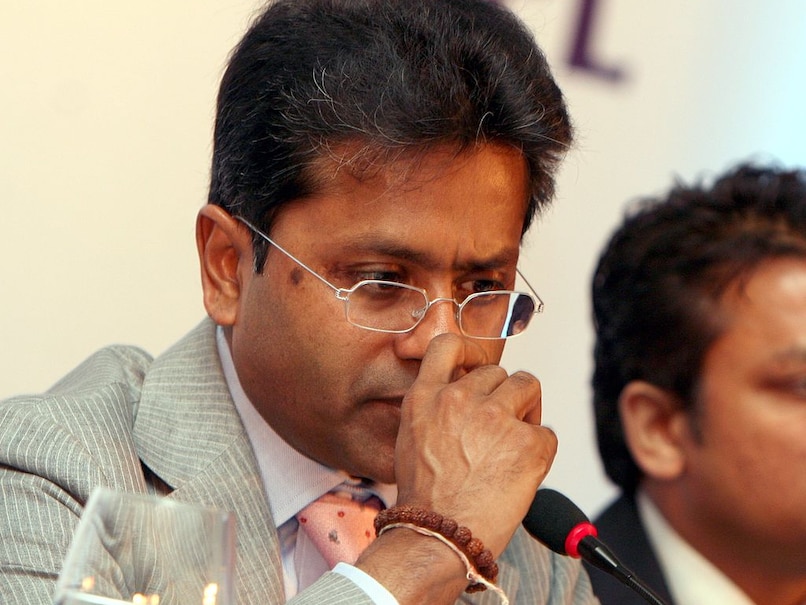
Lalit Modi, the architect of the IPL, recently made headlines with his scathing remarks about the Board of Control for Cricket in India (BCCI). He claimed that the league is suffering a staggering Rs 2,400 crore loss due to a departure from the original home-and-away format. Modi's assertion raises eyebrows, as the IPL was designed to maximize fan engagement and revenue through localized matches. By straying from this model, he argues, the league has compromised its profitability and effectiveness. Modi's criticism is not merely anecdotal; it reflects a growing concern among fans and stakeholders who wish to see the IPL thrive as it did in its formative years. The absence of a balanced schedule has left many wondering if the BCCI is losing its grip on the league.
Captaincy Under Fire
Amidst the financial chatter, the spotlight also shines on certain players and their leadership decisions. Ajinkya Rahane, captain of the Kolkata Knight Riders (KKR), has faced a barrage of criticism for his decision-making on the field. During a rain-affected match, Rahane opted to bat first, a choice that many felt was ill-advised given the conditions. Experts and fans alike were baffled by this move, with some labeling it a self-sabotaging act. The criticism escalated to accusations of jealousy toward fellow players, further complicating KKR's already shaky season. In a league where tactical acumen and adaptability are vital, Rahane's choices are raising questions about his future as a leader.

Pietersen's Bold Claims
Adding to the IPL's tumult, former England captain Kevin Pietersen recently dropped a bombshell during an interview. He claimed that his international career was adversely affected by his participation in the IPL. Pietersen's allegations shed light on the often tumultuous relationship between players and the league's governing bodies. He stated that conflicts regarding his IPL commitments led to a premature end to his England career, a claim that has sent ripples through the cricket community. While many might view this as a personal grievance, it underscores a larger issue concerning players' rights and the balancing act they must perform between domestic leagues and international commitments.
The Broader Implications
These incidents reflect a greater need for dialogue within the cricketing fraternity. The IPL's financial viability is tied to its structure, but it must also navigate the complexities of player management and fan expectations. Modi's critique of the BCCI is not merely about financial loss; it is a call to action for the governing body to reassess its strategies. In an era where fan engagement is paramount, returning to the original home-and-away format could reinvigorate interest and revenue streams.
On the other hand, Rahane's captaincy issues and Pietersen's revelations highlight the precarious nature of leadership and player welfare in this fast-paced environment. The IPL's allure is its ability to bring together talent from across the globe, but this should not come at the cost of players' careers and legacies. The league must find a way to balance its commercial aspirations with the genuine concerns of its athletes.
The Case for Reform
As IPL 2026 progresses, there are growing calls for reform. The current structure has led to a disconnect between players and management, evident in Rahane's struggles and Pietersen's lamentations. Stakeholders are advocating for more transparency in decision-making processes and a better understanding of player needs. This reform could pave the way for a healthier relationship between players, teams, and the governing body.
The IPL should also look towards the future. The introduction of new teams and franchises can bring fresh energy. However, this must be accompanied by a commitment to maintaining the integrity and competitiveness of the league. The BCCI must prioritize a format that maximizes both player performance and fan enjoyment.
Fans at the Heart of the Game
Ultimately, the IPL exists because of its passionate fanbase. From the raucous crowds at the Wankhede Stadium to the dedicated supporters wearing team colors, the league thrives on the energy of its fans. The ongoing issues threaten to alienate these loyal followers. If the BCCI and team management do not address these concerns, they risk losing the very essence of what makes the IPL a beloved tournament.
In conclusion, IPL 2026 is not just a showcase of cricketing talent; it is a reflection of the challenges facing modern sports leagues. As the tournament unfolds, it will be fascinating to see how the BCCI responds to these criticisms and whether it can steer the IPL back to its glory days.
For more insights on player performances, check out our coverage on Devdutt Padikkal and Rizvi and Bishnoi.
Looking Ahead
As the IPL continues to evolve, it must learn from its past and adapt to the future. The stakes are high, and the cricketing world is watching closely. Can the IPL reclaim its place as the pinnacle of franchise cricket, or will it falter under the weight of its controversies? Only time will tell.