A New Era in Franchise Cricket
The IPL 2026 season has ushered in a flurry of excitement, showcasing both emerging talents and seasoned players alike. However, beneath the thrilling performances and nail-biting finishes lies a pressing concern: the future of franchise cricket. As the tournament progresses, the balance between competition and regulation becomes increasingly delicate.
The Legacy of Gopinath and its Relevance
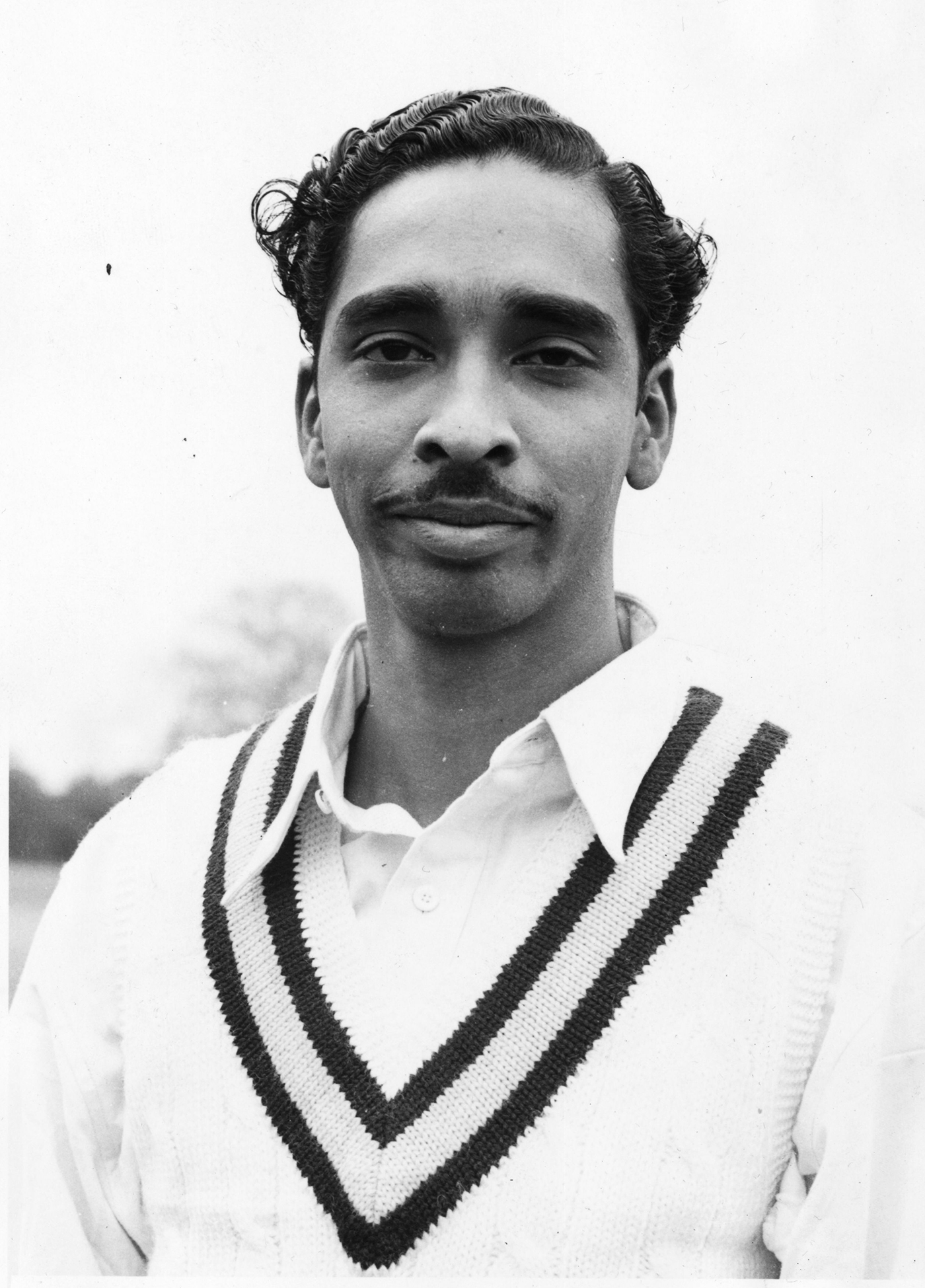
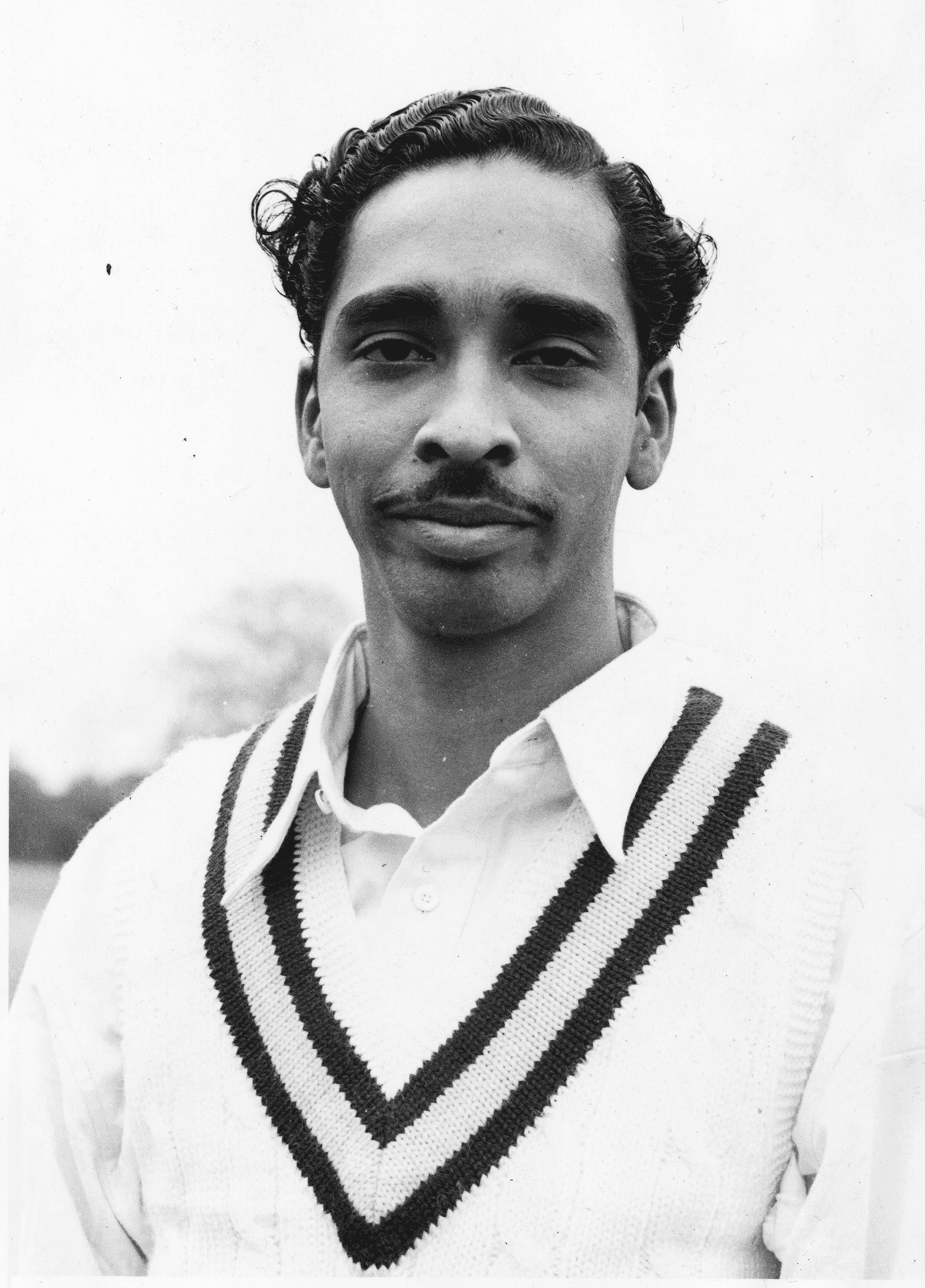
In the backdrop of this evolving landscape is the recent passing of CD Gopinath, India’s oldest Test cricketer, who passed away at the age of 96. Gopinath was not just a player; he was a symbol of the rich heritage of Indian cricket. His involvement in India’s first Test win against England in Chennai in 1952 remains etched in history. This milestone serves as a poignant reminder of where Indian cricket has come from. The passion and commitment that players like Gopinath demonstrated set the stage for the IPL’s explosive growth, making the current challenges all the more significant.
The IPL has changed the game, not only in India but globally, transforming how cricket is perceived and consumed. As franchises compete for players and fan engagement, the potential pitfalls of this format become increasingly evident, especially regarding player welfare and the potential dilution of domestic leagues.
Evolving Dynamics of Franchise Cricket
Franchise cricket is at a crossroads. The recent commentary from various cricket pundits has highlighted the urgent need for the ICC to establish guidelines that govern the number of leagues a player may participate in. The proliferation of T20 leagues across the globe has created a competitive environment that may threaten the sanctity of national cricket teams. If one entity can own multiple franchises, the integrity of the game could be compromised.
This sentiment was echoed in a piece from The Hindu Cricket, which warned of the possible consequences of unrestricted franchise ownership. The concern is that an oversaturation of leagues could lead to player burnout and disrupt the traditional structure of cricket. Just as franchises have been successful in attracting top talent, the need for a sustainable model becomes increasingly crucial.

The Case of Cooper Connolly
Among the players navigating this evolving landscape is Cooper Connolly, a rising star in the IPL 2026. Connolly has made headlines not just for his skills but for his mindset—prioritizing game awareness over an ultra-aggressive approach. This philosophy is particularly relevant in the current climate where the emphasis often lies on instant impact rather than strategic play. Connolly's approach could serve as a blueprint for younger cricketers who find themselves in the whirlwind of franchise cricket.
In games where tension runs high, Connolly’s ability to read situations and make calculated decisions could prove invaluable. His performance might not always result in fireworks, but it reflects a deeper understanding of the game, which is essential as franchises seek to build long-term success rather than just short-term gains. This approach resonates with the growing need for players who can adapt and strategize in high-pressure environments.
The Pressure of Performance
The IPL is notoriously unforgiving. Matches can turn on a dime, and players face immense pressure from fans, franchises, and media alike. The allure of the tournament often overshadows the mental and physical toll it can take on players. As highlighted in various analyses, including our own coverage of IPL 2026's opening week, captains and players are under a magnifying glass, with every decision scrutinized and every performance critiqued. [Related internal historical context]
The current season has shown that the teams that manage player workload effectively are the ones likely to succeed. Many franchises are investing in mental health resources and fatigue management strategies. This is a step in the right direction, as player well-being should be a top priority amidst the competitive frenzy.
Future Outlook: Balancing Growth and Integrity
As IPL 2026 progresses, the conversation around the future of franchise cricket must include stakeholders from all sides—players, franchises, governing bodies, and fans. If the ICC does not act soon, the lines between domestic and franchise cricket could blur irreparably. The need for regulations is clear; otherwise, the sport could face a crisis that impacts its very foundation.
With the right frameworks in place, cricket can navigate this complex future while preserving the spirit of competition. We have already seen the IPL's capacity to adapt: from incorporating technology like DRS to embracing new formats. This adaptability will be critical as the league and its participants face these upcoming challenges.
Conclusion: The Responsibility of Stakeholders
Cricket has always been about passion and perseverance, qualities exemplified by legends like Gopinath. As the IPL continues to grow, it is vital that current and future players carry that legacy forward, not just in terms of performance but in fostering a sustainable environment for the sport. The road ahead requires careful navigation, a commitment to integrity, and a focus on the players' well-being. The stakes are high, but with thoughtful regulation, the IPL can lead the way in ensuring that franchise cricket thrives without sacrificing its roots.
For more insights on the challenges facing IPL 2026, you can check out our coverage on Bowling Woes and Off-Field Turmoil and Controversies and Challenges.