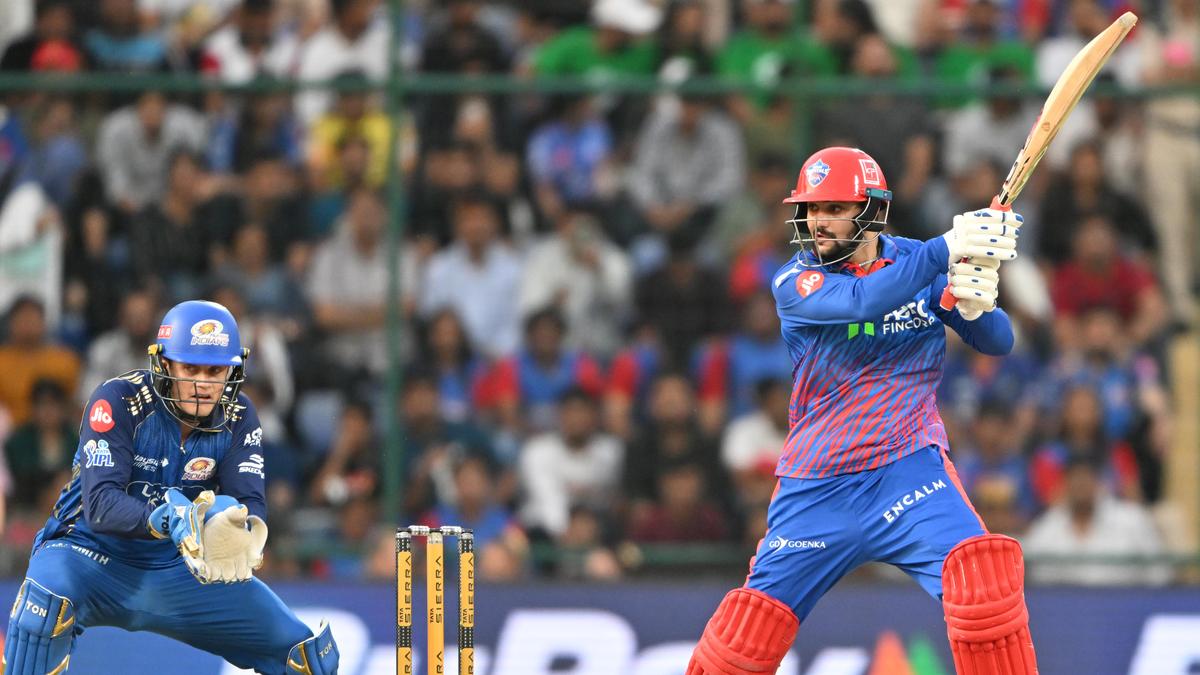
The Impact Player Debate in IPL 2026
The IPL 2026 season has ushered in a wave of excitement, with teams not only showcasing their traditional strengths but also banking on the impact of the newly introduced Impact Players. However, as the tournament progresses, a critical question arises: Have these Impact Players truly lived up to the billing? Recent analyses suggest that of the players designated with the IP tag, only about 33% made contributions that can be deemed match-influencing.
This statistic raises eyebrows, especially when franchises have invested heavily in these players, expecting them to make a significant difference on the field. The strategic implementation of Impact Players could be a game-changer, allowing teams to introduce fresh talent in crucial moments, thus altering the course of a game. Yet, the actual impact, as evidenced by performance metrics, has been less than convincing.
The Role of Impact Players in Strategy
The IPL's introduction of Impact Players was designed to promote dynamic cricket, encouraging teams to think on their feet. The rule allows a team to substitute a player at any stage of the match, provided they have not batted or bowled. This gives coaches and captains a tactical advantage, enabling them to counter specific situations—be it a high-pressure chase or defending a low total.
However, a closer inspection reveals that many of these players have struggled to adapt to the high-stakes environment. Factors such as pressure, the quality of opposition, and the nature of the pitch have contributed to their inconsistency. Players who were superstars in other formats now find themselves grappling with expectations that may not align with their skill sets. For instance, players like have not seized the opportunity presented to them, leading to frustrating outings for their teams.

Statistical Insights into Performance
Statistical analyses provide a clearer picture of the impact—or lack thereof—of these players. In matches played thus far, teams employing Impact Players have experienced mixed results. For example, in a recent match between the Chennai Super Kings and the Delhi Capitals, the supposed game-changer underperformed, failing to score runs in a much-needed scenario. This lack of contribution has been evident across several matches, where teams have seen their strategies backfire as key players remain on the sidelines.
While the intent behind the Impact Player rule is positive, it seems that execution is where the challenge lies. Players must not only be able to perform but also to fit seamlessly into the existing team dynamics. Some franchises have successfully integrated players who have taken on crucial roles in the death overs, while others have seen their selections fall flat.
Case Studies: Success and Failure
Examining specific instances can provide insight into the broader phenomenon. Take, for instance, the case of a young talent like Prince Yadav, who showcased his skills in the IPL despite facing numerous challenges. His ability to adapt during critical innings has made him a prime example of how an Impact Player can turn the tide in a match. His impressive performance in the recent game against the Rajasthan Royals drew parallels with the struggles faced by more experienced players who have failed to deliver under pressure.
On the flip side, a veteran player who was expected to shine as an Impact Player has consistently underperformed, highlighting the unpredictable nature of the tournament. The IPL is known for its thrilling finishes, and when Impact Players are unable to deliver, it dampens the excitement. Teams must evaluate their choices carefully and consider player form, fitness, and adaptability.
The Learning Curve for Teams
As IPL 2026 continues, it is evident that teams need to reassess their approach to using Impact Players. Coaches and management must engage in deeper analysis, not just of player statistics, but also of their psychological readiness to handle pressure-laden scenarios. This is essential in creating a squad that can not only survive but thrive in high-stakes matches. Teams should also focus on building core groups where Impact Players can seamlessly fit in and contribute without feeling overwhelmed.
The need for communication and collaboration between captains, coaches, and players cannot be overstated. A player’s mindset can greatly influence performance, and fostering an environment that encourages confidence and open dialogue can help mitigate the pressure that comes with being labeled an Impact Player.
Conclusion: Future Implications for IPL
As the season progresses, the impact of these designated players could define the outcomes of matches. While the concept of Impact Players holds tremendous potential, actual results will ultimately hinge on careful selection and strategic implementation. Teams that can successfully navigate these challenges will likely emerge stronger, while those that misjudge their selections may find themselves grappling with inconsistency.
The IPL has always been about innovation and excitement, and while the Impact Player rule is still in its nascent stages, its success or failure could shape future seasons. Fans and analysts alike will be watching closely as teams adapt their strategies and players strive to live up to their roles. Will these Impact Players become the stars of IPL 2026, or remain mere shadows of their potential? Only time will tell, but the stakes have never been higher.
For more insights into IPL 2026, including stories about emerging players and the evolution of the tournament, check out our articles on Prince Yadav's journey and the rise of women's cricket.