Introduction
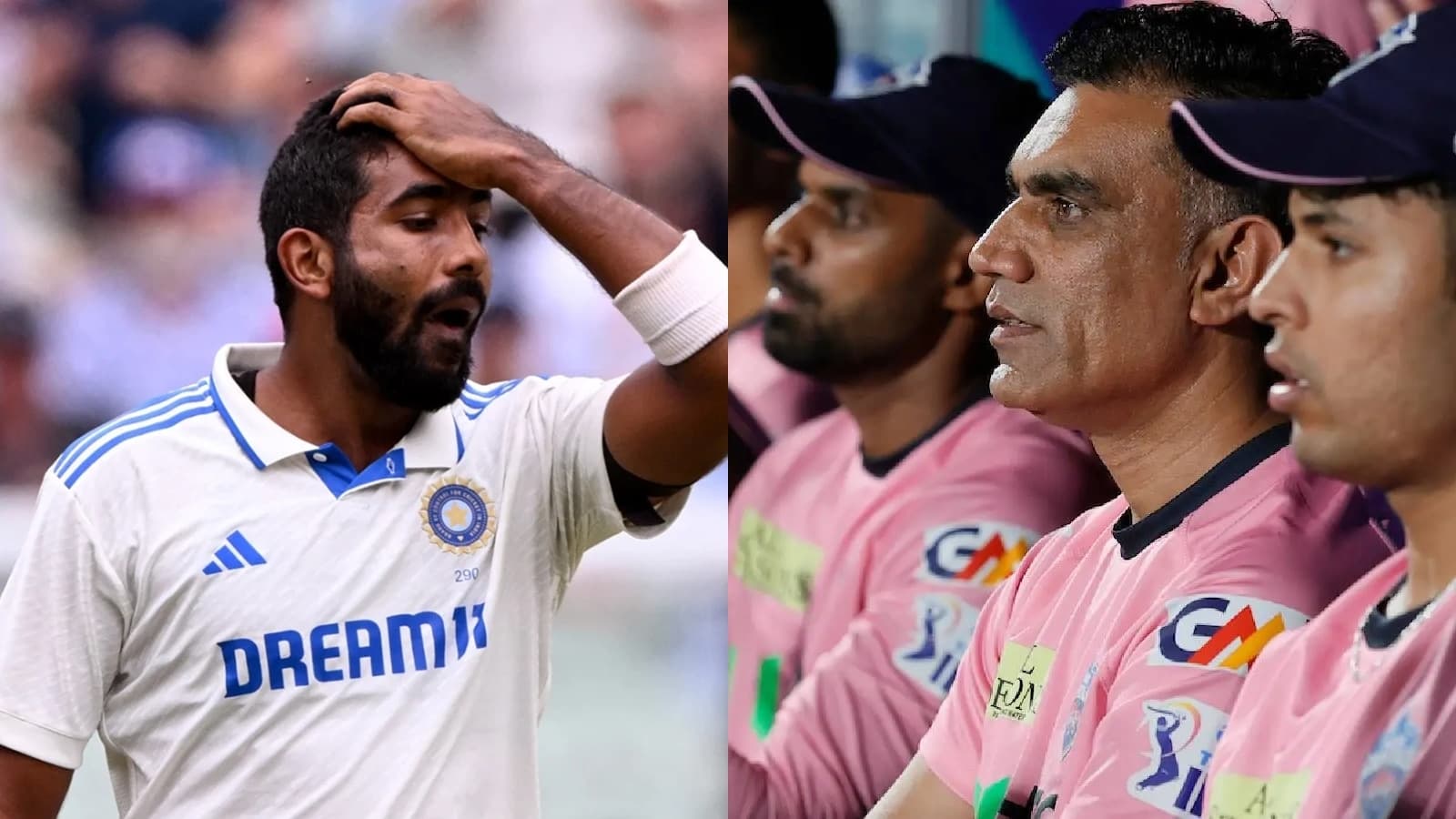
In a nation that has bred legendary fast bowlers and captured the imagination of cricket fans around the globe, India's current fast bowling pipeline appears to be in dire straits. Munaf Patel, the former Indian pacer known for his pivotal role in the 2011 World Cup triumph, recently articulated concerns regarding the future of fast bowling in India. His insights are not only timely but also crucial as the IPL 2026 season unfolds and the cricketing landscape evolves.
The Current State of Indian Fast Bowling
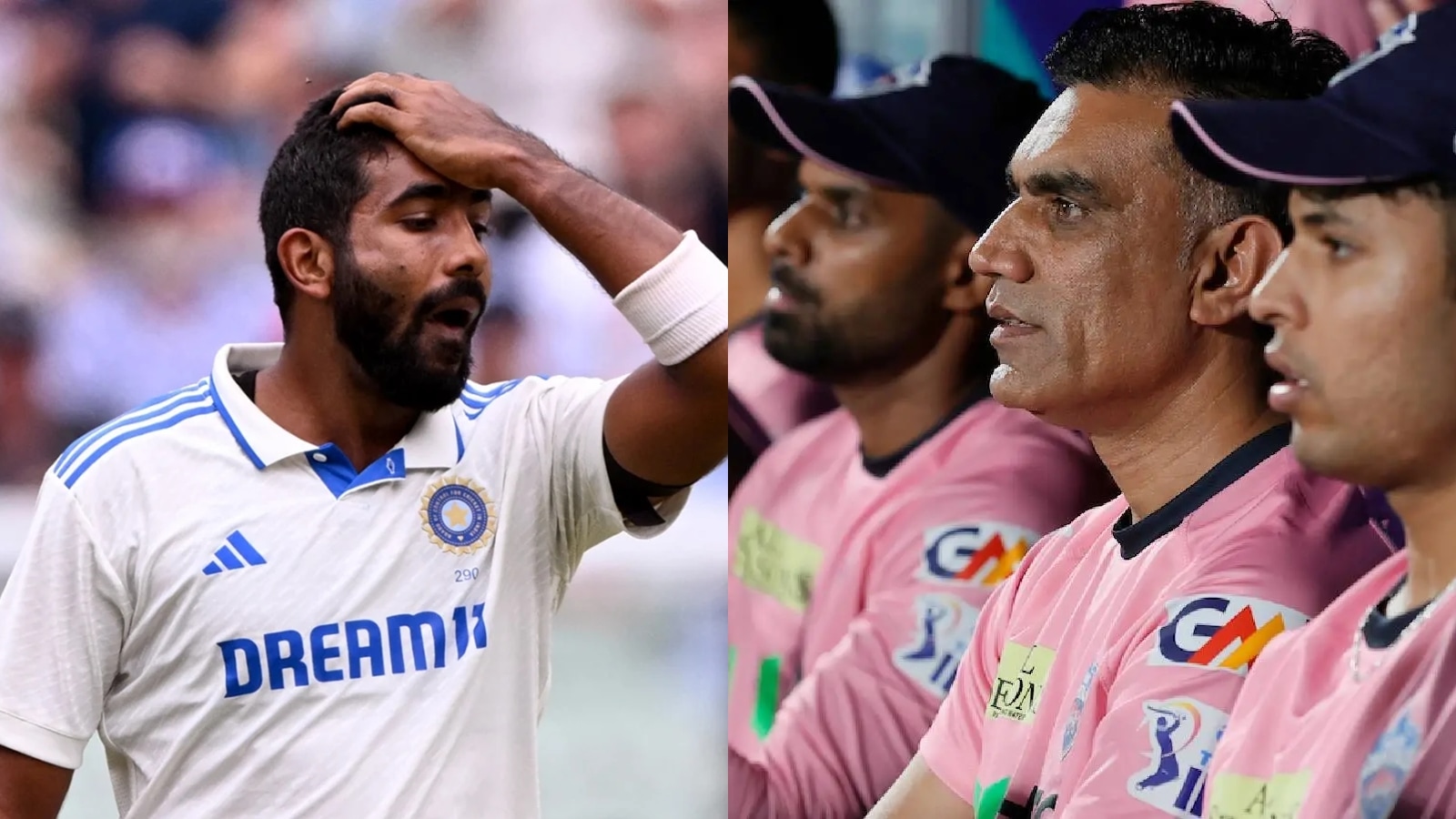
The Indian cricket team has had its fair share of fast bowling heroes, from Kapil Dev to Zaheer Khan and more recently, Jasprit Bumrah and Mohammed Shami. However, the depth of talent appears to be dwindling. In an interview with Indian Express Cricket, Patel pointed out that the lack of a robust domestic structure and inadequate focus on nurturing young fast bowlers are significant factors contributing to this decline.
He stated, "The talent is there, but the system is breaking down. We are not providing enough exposure and opportunities for our budding fast bowlers to thrive and learn the craft at a young age." This statement resonates particularly during IPL, where teams rely on an efficient pool of bowlers to compete at the highest level. As franchises scout for the next big star, the question looms large: who will fill the shoes of India's greats?

IPL's Role in Fast Bowler Development
The Indian Premier League has been a double-edged sword for fast bowlers. On one hand, it provides a platform for young talents to showcase their skills on an international stage. On the other, the emphasis on T20 cricket often prioritizes batsmen over bowlers, leading to an imbalance. Munaf Patel alluded to this phenomenon, arguing that the grueling nature of T20 cricket can hinder a bowler's development.
"In T20, the focus is on taking wickets quickly, which can lead to bowlers developing bad habits. We need to teach our youngsters the importance of control and strategy, not just pace," he remarked. The IPL franchises are filled with international stars, and while they certainly bring experience, they may overshadow homegrown talent. This could stunt the growth of emerging bowlers who need exposure and mentorship to hone their skills.
Challenges Faced by Young Fast Bowlers
Patel highlighted several challenges young fast bowlers face in India. One of the primary issues is the lack of adequate training facilities and coaching. Many aspiring cricketers come from humble backgrounds, which makes it hard for them to access quality coaching and practice facilities. Additionally, the physical demands of fast bowling can take a toll on young bodies, leading to injuries that derail careers before they even begin.
The pressure of performance in high-stakes environments like the IPL can also lead to mental fatigue. Fast bowlers need resilience, not just physically but mentally. "The mental aspect of the game is just as important, if not more so, than the physical. We need to support our bowlers and help them build that mental strength," Patel explained.
Path Forward: Revamping the System
To combat these challenges, Munaf Patel proposes a multi-faceted approach. He emphasizes the need for a structured pathway for fast bowlers, similar to what is seen in countries like Australia and South Africa. This includes an emphasis on nurturing talent at the grassroots level, providing proper coaching, and ensuring that young bowlers have access to quality playing conditions.
"We need to start from the ground up. District and state-level competitions should focus on developing fast bowlers, not just batsmen. We must create an environment where bowlers can flourish," he asserted. Such a systemic overhaul could enable future generations of Indian pacers to thrive and compete internationally.
The Role of Analytics in Fast Bowling
In the modern game, data analytics plays a crucial role in player development. Fast bowlers can leverage technology to refine their techniques and understand their strengths and weaknesses. Munaf Patel urges IPL franchises to invest in analytics for their bowlers, allowing them to analyze their performance and make informed decisions based on data.
"Using technology to understand a bowler's performance can provide insights that traditional coaching methods cannot. We need to embrace this change," he added. This would not only benefit individual players but also enhance the overall standard of fast bowling in India.
Conclusion: A Call to Action
Munaf Patel's insights into the Indian fast bowling pipeline are a wake-up call for cricketing authorities and IPL franchises alike. The need for immediate action to revitalize the fast-bowling ecosystem cannot be overstated. The 2026 IPL season presents a unique opportunity for teams to invest in local talent and commit to developing the next generation of bowlers.
As the cricketing world looks on, the question remains: will India rise to the occasion and restore its legacy of fast bowling? For more on the evolving landscape of the IPL and its impact on young players, check out our coverage on New Stars Shine Amid Rivalry and Praful Hinge's Sensational IPL Debut.
Tags
"IPL 2026", "Fast Bowling", "Munaf Patel", "Cricket Development", "T20 Challenges"