Rizwan Responds to Retirement Speculation
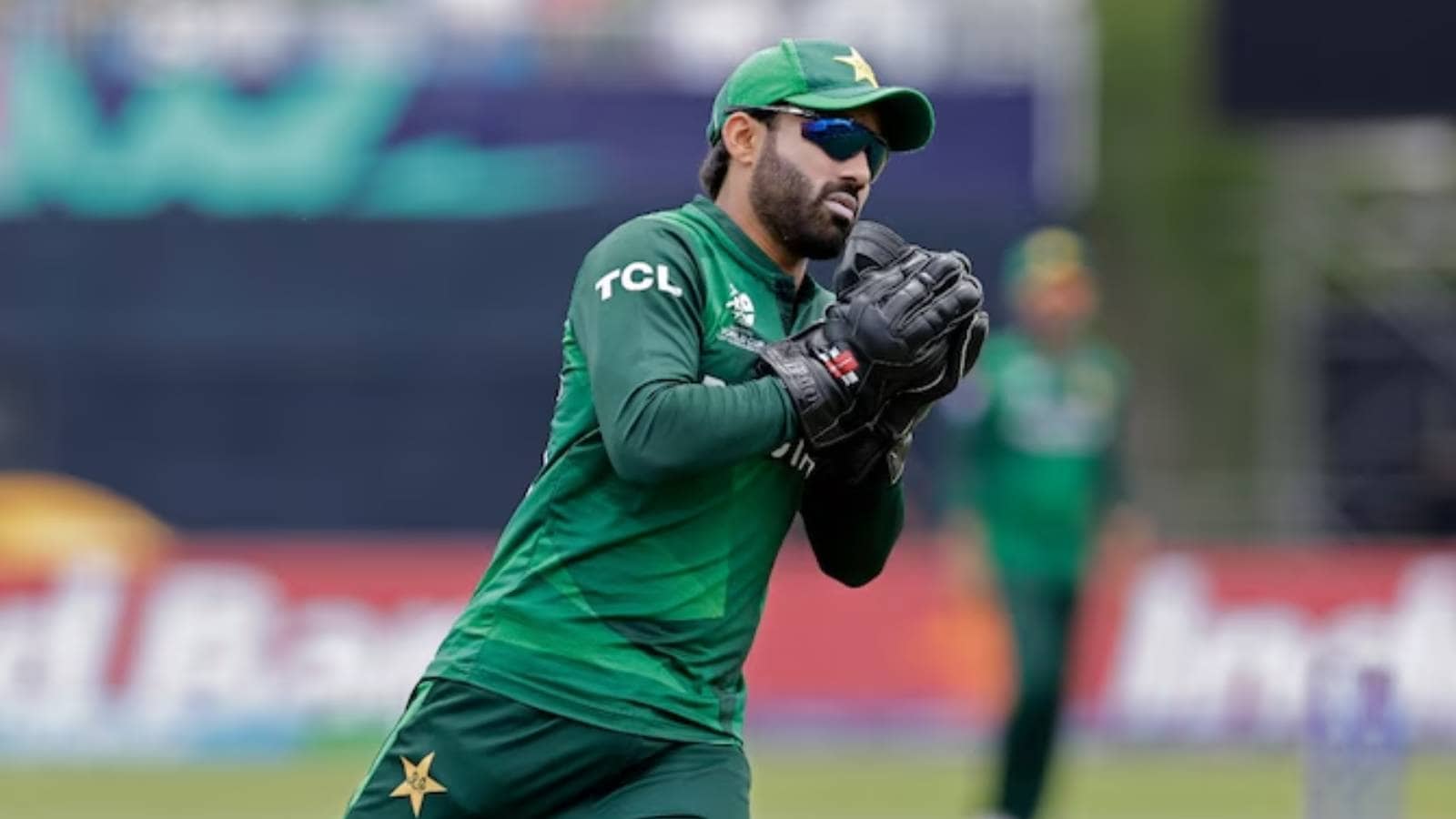
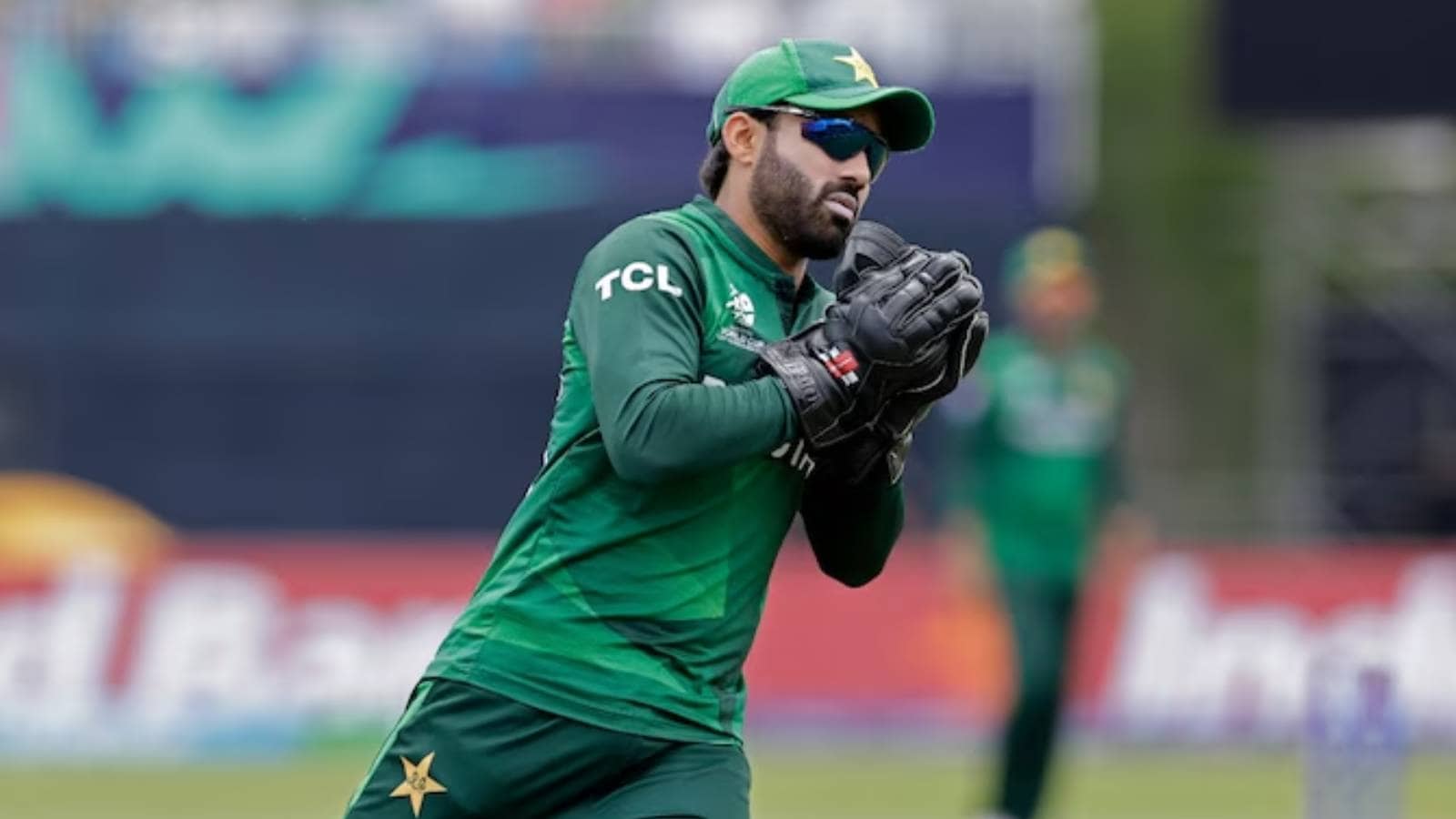
Mohammad Rizwan, the dynamic wicketkeeper-batsman of Pakistan, has recently found himself at the center of a significant debate regarding his future in T20 cricket. After an impressive run in both international and franchise cricket, questions have surfaced regarding whether he should consider stepping back from the shortest format of the game. In response, Rizwan delivered an emotional retort, firmly rebutting suggestions of retirement and emphasizing his unwavering commitment to the game.
Rizwan's performance in recent tournaments, especially during the T20 World Cup, showcased his skill and poise under pressure. Hitting crucial runs in the death overs, he has been pivotal for the national team. Even amid criticism, Rizwan's spirit remains unbroken. He stated, "I still have a lot to contribute to T20 cricket, and I am not finished yet." His determination is a testament to the passion and love he has for the game.
The cricket world has rallied behind Rizwan, recognizing his contributions and the depth of his resilience. Not only does he serve as a vital player for Pakistan, but he also inspires younger cricketers aspiring to carve their paths in the sport.

Shanaka's Controversial IPL Move
In another striking development, Dasun Shanaka, the captain of the Sri Lankan cricket team, has drawn the ire of the Pakistan Cricket Board (PCB) after deciding to participate in the Indian Premier League following his departure from the Pakistan Super League (PSL). This decision has left many fans and analysts questioning his commitment to the PSL, a tournament that has been pivotal in promoting cricket in the region.
Shanaka's choice raises eyebrows, especially given the timing of his move. His exit from the PSL was met with disappointment from fans who saw him as a crucial player for the franchise he represented. Fans expected loyalty and consistency, but Shanaka's shift to the IPL has sparked a debate about the players’ priorities in the modern era of cricket. The allure of the IPL, with its immense financial rewards and international spotlight, often overshadows the legacy and loyalty players owe their domestic leagues.
Critics argue that such decisions undermine the structure and integrity of leagues like the PSL, which strive to develop local talent and build a strong cricketing culture. Shanaka's move might be seen as a betrayal, given the emotional investment fans have in players representing their teams.

The Clash of Loyalty and Opportunity
The conflict between loyalty to local leagues and the pursuit of opportunities in lucrative tournaments like the IPL is not a new phenomenon. Players often find themselves torn between representing their country and securing their financial futures. The increasing commercialism of cricket means that many players are now prioritizing their careers based on financial incentives rather than traditional loyalties.
Rizwan and Shanaka’s situations highlight the broader challenges facing modern cricketers. As the T20 format gains traction globally, players must navigate their careers with careful consideration of both their personal aspirations and the expectations of fans. The emotional aspects of these decisions cannot be understated, as fans invest deeply in their local heroes.
The emotional weight Rizwan feels regarding his place in T20 cricket reflects a broader sentiment among players who recognize the importance of their contributions to the sport. Alternatively, Shanaka's controversial decision forces us to confront uncomfortable truths about player loyalty in a rapidly evolving cricketing landscape.
The Future of T20 Cricket
As the IPL 2026 season unfolds, these narratives will undoubtedly shape discussions around the future of T20 cricket. Will players like Rizwan continue to fight for recognition and respect, or will the allure of the IPL lead to more players prioritizing financial gain over national loyalty? Additionally, how will governing bodies respond to the growing trend of players switching leagues amid contractual disputes and personal ambitions?
Rizwan’s commitment to remaining in T20 cricket and Shanaka’s controversial choices may serve as pivotal moments in defining the future of the format. With various stakeholders in the cricketing ecosystem, including fans, players, and administrators, the next few years will be critical in shaping the direction of T20 cricket. The sport must find a balance between commercial success and preserving the essence of the game, which has always thrived on passion, loyalty, and integrity.
The ongoing IPL season also presents an opportunity for players to showcase their skills on an international platform, potentially influencing their decisions in the years to come. As the tournament reaches its climax, every player’s performance will be scrutinized under the lens of their long-term career strategies.
In conclusion, both Rizwan and Shanaka's circumstances embody the complexities of modern cricket. Their decisions — whether driven by passion or financial considerations — will impact not just their careers but also set precedents for future players navigating the delicate balance of loyalty and opportunity. As the cricketing community watches closely, one thing is clear: the dynamics of T20 cricket are ever-evolving, and players must adapt accordingly.
For those interested in deeper analysis, the ongoing discussions around player commitments can also be explored in depth in our coverage of Shreyas Iyer's rise and Mark Taylor's thoughts on T20 cricket's essence.