NGT's Call to Action Amid IPL Excitement
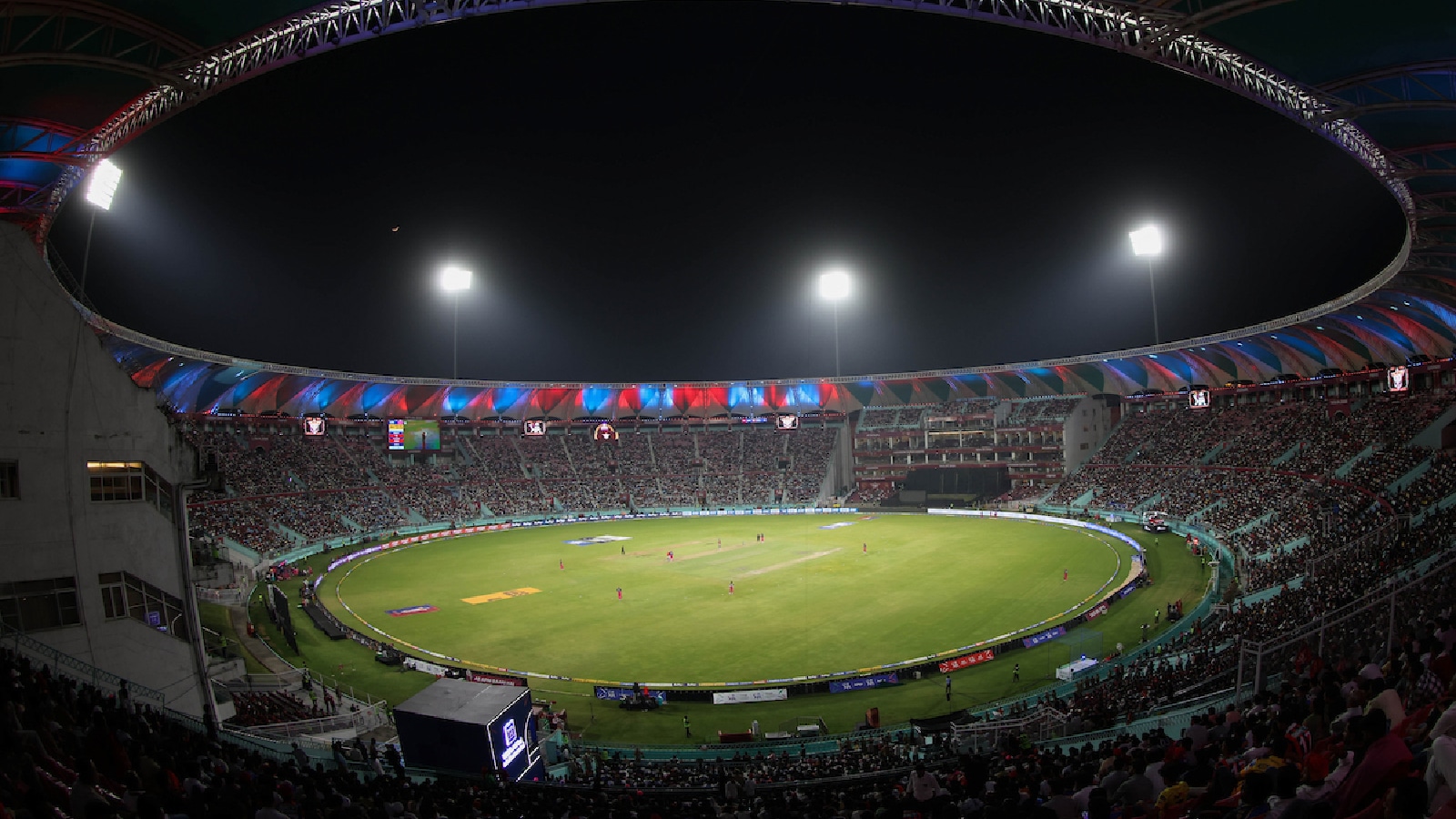
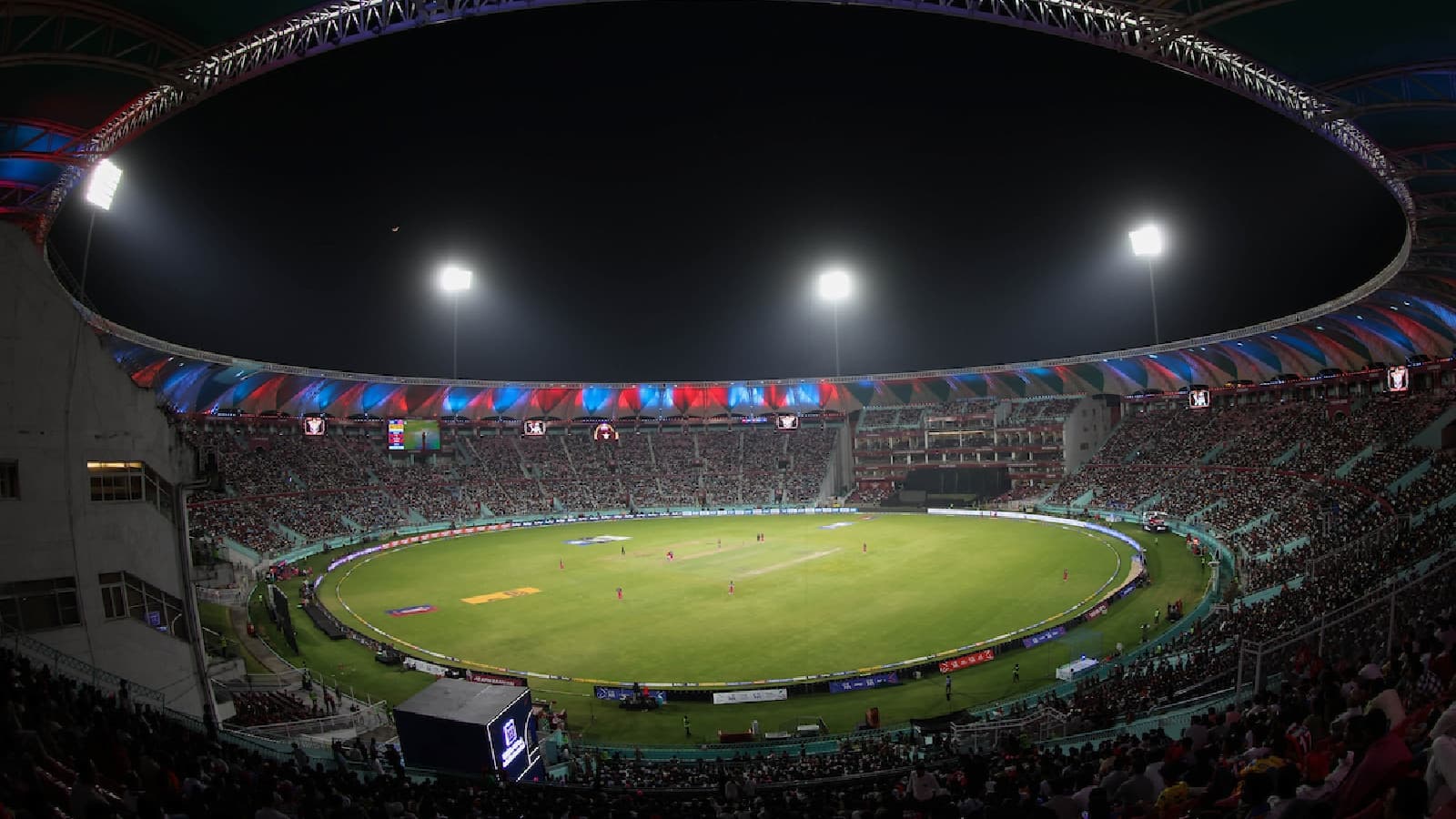
As the Indian Premier League (IPL) continues to captivate millions, the National Green Tribunal (NGT) has cast a shadow over the festivities by questioning the environmental compliance of six major cricket stadiums across the country. The NGT’s inquiry comes at a time when the season is in full swing, with fans eagerly filling the stands, and franchises pitting their best against one another in a quest for the coveted trophy. The question arises: can the excitement of cricket coexist with environmental responsibility?
The NGT’s directive was aimed at six prominent stadiums including the iconic Eden Gardens in Kolkata and the Wankhede Stadium in Mumbai. These venues have been celebrated for their historic matches and electric atmospheres. However, the Tribunal's concerns stem from the potential violations of environmental norms that could impact local ecosystems and the communities surrounding these stadiums. This raises a critical point about the balance between entertainment and sustainability in an era where climate change poses a significant threat.
Compliance Issues in Focus
The NGT's scrutiny is not just a regulatory exercise; it is a wake-up call for all sporting venues in India. With the IPL being one of the most lucrative sporting events globally, the pressure to deliver high-octane matches must not come at the expense of ecological integrity. According to reports, the NGT has expressed skepticism about the measures taken by these stadiums regarding waste management, water usage, and overall environmental impact. The Tribunal has asked stadium authorities to justify why their activities should not be halted until compliance is achieved, implying that the onus is on them to demonstrate accountability.

The implications of this inquiry are far-reaching. For instance, failure to meet compliance could lead to a halt in matches, directly affecting players, fans, and franchise revenues. The IPL is not only a cricketing spectacle; it is a massive economic engine that supports many livelihoods. The NGT’s intervention serves as a reminder that every industry, including sports, must adapt to the pressing needs of the environment.
The Fan Experience and Environmental Responsibility
Cricket fans are often seen donning their team colors, waving flags, and shouting chants in support of their favorite players. The thrill of a last-over finish or a brilliant catch can create unforgettable memories. However, this fervor should not overshadow the importance of preserving the environment. The NGT’s move prompts a critical question: can stadiums enhance fan experience while implementing sustainable practices?
Many stadiums globally have begun adopting eco-friendly measures. For example, some have installed solar panels, implemented rainwater harvesting systems, and switched to biodegradable products in their operations. In contrast, Indian stadiums have been slower to embrace these changes despite the IPL’s soaring popularity. The NGT’s inquiry might serve as a catalyst for necessary shifts towards sustainability.
Moreover, franchises can play a pivotal role in this transition. Teams like Chennai Super Kings (CSK) and Mumbai Indians (MI) have massive followings and thus a unique opportunity to lead by example. By promoting environmental initiatives, they can not only improve their public image but also inspire fans—particularly younger generations—to adopt more sustainable practices in their daily lives. The NGT's actions can potentially trigger a domino effect, where franchises and fans alike recognize their collective responsibility toward the environment.
The Road Ahead for Stadium Authorities
For the stadium authorities, compliance is not just a legal obligation; it is a moral responsibility. The NGT has made it clear that failure to adhere to environmental norms could lead to severe consequences. This ultimatum should act as a wake-up call for all stakeholders involved in the IPL. It’s time for cricketing bodies to work with environmental agencies to create a roadmap for sustainable practices.
The way forward could involve thorough assessments of existing infrastructures, regular audits, and transparent reporting on compliance measures. Initiatives like community engagement programs can also foster a culture of environmental consciousness. In a country where cricket is worshipped, this shift could have profound implications for how future generations perceive their beloved sport.
The IPL's Broader Context
This situation is emblematic of a broader trend in sports where environmental considerations are increasingly coming to the forefront. Globally, leagues like the NBA and Premier League have begun to prioritize sustainability, with many implementing various green initiatives. IPL can learn from these models, adapting strategies that are suitable for the Indian context.
Additionally, the engagement of fans through interactive campaigns around sustainability could yield positive results. Imagine a scenario where fans are encouraged to reduce plastic use at matches or participate in local clean-up drives. The synergy between environmental efforts and the joy of cricket could create a more enriching fan experience, ultimately enhancing the value of the IPL brand.
Conclusion: A Call for Unity
In conclusion, the NGT's questioning of compliance at cricket stadiums is a crucial intervention that highlights the need for sporting venues to align with environmental norms. As IPL fans gear up for the rest of the season, it is essential that all stakeholders—including players, franchises, and fans—recognize the importance of sustainability. The excitement of cricket must not come at the cost of our environment. We should strive for a future where cricket and ecological responsibility can coexist harmoniously.
As we look ahead to the rest of IPL 2026, the hope is that this situation will inspire a commitment to change from all parties involved. Cricket is a sport that unites millions. It is time to unite for the planet too.
Check out our coverage of CSK's leadership dilemma and Glenn Phillips' strategy for GT to understand more about the dynamics at play this season.