The Tension of IPL 2026: A Wake-Up Call for Safety
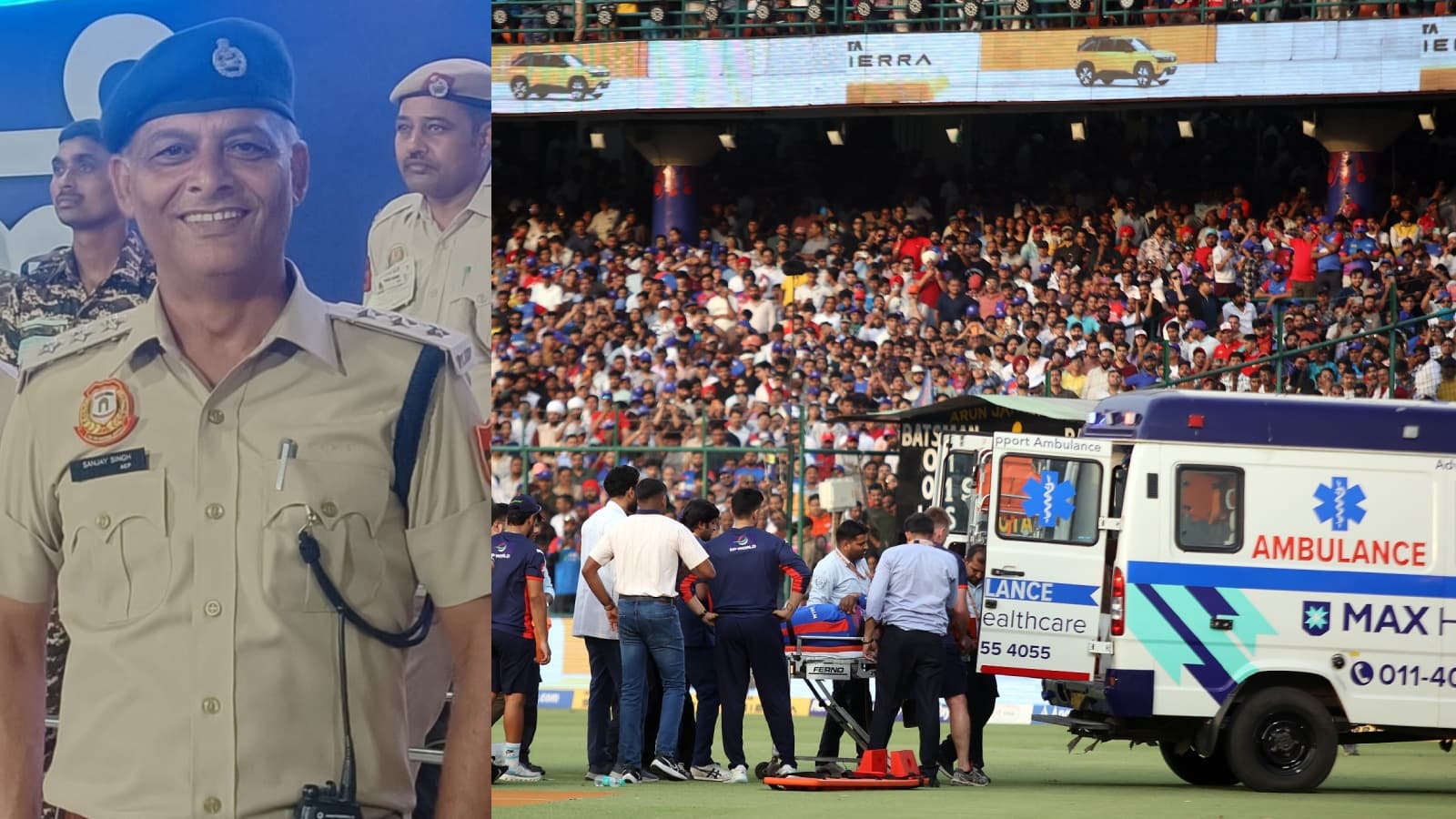
In the heart-pounding atmosphere of IPL 2026, a shocking incident brought the focus back to player safety. South African pacer Lungi Ngidi, part of the Delhi Capitals, faced a life-threatening situation during a match that struck fear into the hearts of fans and players alike. The quick actions of ex-cricketer and coach Vijay Dahiya, who orchestrated a green corridor to rush Ngidi to the hospital in just 11 minutes, have raised questions about protocols in place for player emergencies. The incident has ignited discussions about the importance of medical infrastructure in the high-octane environment of T20 cricket.
The match itself was a spectacle, showcasing the thrilling nature of the IPL. However, it was overshadowed by Ngidi’s unfortunate injury, a reminder of the inherent risks athletes undertake in pursuit of glory. As Dahiya navigated through traffic and algorithmic delays, his decisive action proved that even in the age of technology, human intervention remains invaluable. This incident could catalyze a reevaluation of emergency protocols across the league, emphasizing the need for effective communication and rapid response systems.

Fleming's Reflection: Progress and Setbacks
In the aftermath of Ngidi's injury, CSK's head coach Stephen Fleming offered a poignant reflection on the broader context of IPL 2026. Speaking to the press, he highlighted the dual nature of progress and setbacks within the league. “It’s been one step forward, two steps back,” Fleming noted, encapsulating the challenges faced by teams amidst the excitement of the tournament. The inconsistent performances of franchises often lead to a rollercoaster of emotions, and this season has been no different.
Fleming's comments resonate deeply with the league's narrative—while some teams shine, others falter under pressure. This inconsistency can often be attributed to player injuries, squad depth, and the mental fatigue associated with the relentless pace of T20 cricket. Coaches like Fleming are tasked with not just strategizing for victories but also managing players' well-being in a grueling schedule. The need for a robust support system, both physically and mentally, has never been more evident.
Bowling Evolution: Shane Bond's Timely Warning
The conversation about player safety leads seamlessly into discussions about the evolving nature of the game itself. Rajasthan Royals' bowling coach Shane Bond recently emphasized the necessity for bowlers to adapt their strategies in the face of relentless batting attacks. In a league that has seen a surge in high-scoring matches, the need for bowlers to evolve is paramount. “Bowlers must evolve,” Bond stated, addressing the challenges presented by aggressive batsmen.
The statistics from IPL 2026 reflect this shift—scores are soaring, and bowlers are struggling to find their footing amidst a run fest. The balance between bat and ball appears tilted, and teams are increasingly seeking innovative ways to restrict runs. Whether through clever variations, unconventional field placements, or psychological tactics, the evolution of bowling styles is critical in maintaining a competitive edge.

The Bigger Picture: Safety, Strategy, and Support
The incidents and discussions surrounding IPL 2026 highlight a multitude of factors influencing the tournament’s direction. Player safety, as spotlighted by Ngidi's situation, is paramount, but it intertwines with the strategy and support systems teams must implement to ensure their players not only excel but remain safe in high-pressure environments. The league must prioritize health protocols, emergency response, and post-injury care, creating an ecosystem where players can thrive.
Moreover, coaches like Fleming and Bond are pivotal in shaping a culture that values adaptation and resilience. The strategies employed by teams must consider the changing dynamics of the game—bowlers need to be equipped with tools that allow them to navigate the challenges posed by modern batting.
In this context, it is essential to recognize the contributions of young talent. The recent performances of emerging players like Suryavanshi have caught the attention of seasoned professionals. Suryavanshi shines as Cummins praises young star in IPL 2026 illustrates how fresh talent can infuse energy and innovation into the game, helping teams to strategize effectively against seasoned opponents.
Conclusion: A Call to Action
As IPL 2026 continues to unfold, the lessons from recent events must serve as a call to action for all stakeholders involved. The league must address the urgent need for improved safety measures while encouraging players to evolve their strategies to keep pace with the changing game. The balance between batting and bowling must be restored to enhance the quality of cricket, ensuring fans witness thrilling yet competitive matches.
The incident involving Lungi Ngidi, while distressing, has provided an opportunity for reflection and improvement for the IPL. In the coming weeks, as teams fine-tune their strategies and reinforce their safety protocols, the hope is for a tournament that not only entertains but also prioritizes the well-being of its players. As we look ahead, let’s remember that cricket is not just about runs and wickets; it’s about the players who give their all on the field and the safety measures that ensure they can do so.
For further reading on player safety and performances, check out Lungi Ngidi discharged after scary injury and Pat Cummins leads SRH against RR: Key IPL 2026 Clash.