The Changing Dynamics of T20 Cricket
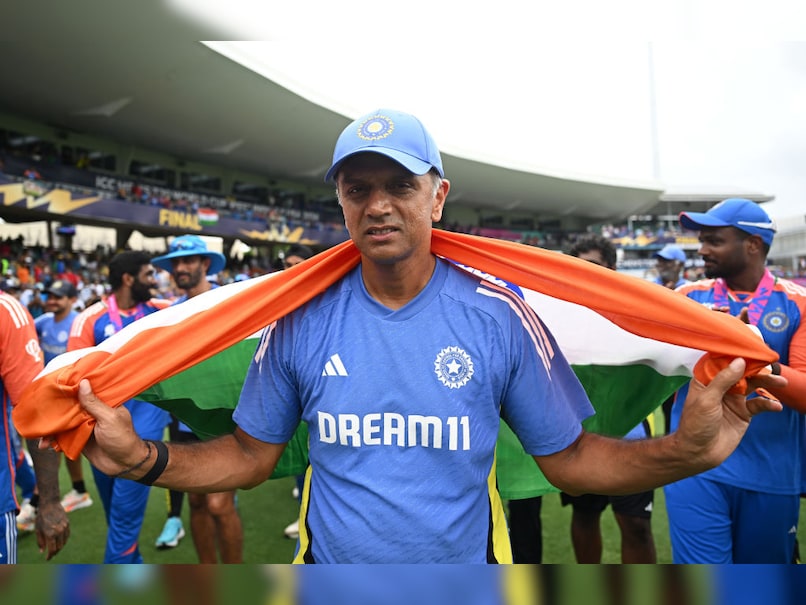
In the fast-paced world of T20 cricket, the role of a bowler is more challenging than ever before. Former India coach Rahul Dravid recently highlighted this evolution, stating that bowlers need to catch up with the changing grammar of T20 batting. With explosive batting dominating the scene, the challenge for bowlers is to adapt and innovate continuously.
Dravid's observations come at a time when teams are looking for strategic advantages in the IPL 2026 season. His experience spanning over three decades in cricket gives his words significant weight, especially as T20 cricket has rapidly transformed into a high-octane contest. Batting techniques have advanced, with players employing innovative shots and strategies that leave bowlers scrambling to find effective responses.

The Need for Adaptation
The landscape of T20 batting has indeed undergone a metamorphosis. Shots that were once considered risky have now become staples in a batsman's arsenal. Dravid emphasized that bowlers must evolve their skills and rethink their strategies, particularly in the death overs when matches are often won or lost. The ability to execute yorkers and slower balls with precision has never been more critical.
Bowlers who can adapt to this evolving environment will flourish, while those who cannot may find themselves at the mercy of aggressive batsmen. The IPL has become a platform where these skills are tested rigorously, and teams that succeed will be those with bowlers capable of thinking on their feet.
Dravid's New Role
Transitioning from a player and coach to a team owner in T20 has presented Dravid with unique challenges. As he prepares for his new role with a T20 franchise, he understands the importance of balancing his extensive cricketing knowledge with the need to maintain a level of distance. In a recent interview, Dravid articulated his expectations from the team’s captain, R. Ashwin, emphasizing the captain’s crucial role in guiding the team through the pressures of T20 cricket.
Dravid’s philosophy is driven by his understanding of team dynamics. He believes that a successful captain must inspire confidence and maintain a strategic mindset. Ashwin, known for his cricketing acumen, will have the responsibility to blend experience with the youthful exuberance that characterizes T20 teams today. As IPL 2026 unfolds, the relationship between Dravid and Ashwin will be pivotal in determining the franchise's fortunes.
Slow Over Rates: A Growing Concern
In addition to individual performances, team management also plays a critical role in T20 cricket. Recent events have highlighted the repercussions of slow over rates, as Delhi Capitals skipper Axar Patel was fined Rs 12 lakh for his team's slow over rate during their match against Punjab Kings. This incident underscores the increasing focus on adherence to match regulations, which can have financial implications for teams.
Slow over rates not only affect team performance but can also disrupt the flow of the game. The IPL's governing body has been stringent in enforcing these rules, placing pressure on captains to ensure that their bowlers maintain the pace required for T20 cricket. The fine imposed on Patel serves as a reminder that while the game is about entertainment, discipline and efficiency remain paramount.
The Future of T20 Bowling
As we look ahead to the rest of IPL 2026, the spotlight will be on how bowlers adapt to the challenges posed by aggressive batting. Teams that invest in developing versatile bowlers capable of executing strategies under pressure will have a significant advantage. With the tournament gearing up, franchises are likely to focus on scouting bowlers who possess not only skill but also the mental fortitude to thrive in high-stakes situations.
Dravid's call for bowlers to catch up is not merely a critique but a challenging invitation to innovate and evolve. The IPL has a history of showcasing emerging talent, and it will be fascinating to see which bowlers rise to the occasion in the coming matches. As teams jostle for position in the league table, the way bowlers perform could be the deciding factor in many matches.
Conclusion
The evolution of T20 cricket presents both challenges and opportunities for players, particularly bowlers. As Dravid aptly pointed out, the game is changing, and adaptation is essential for success. With the IPL 2026 season underway, all eyes will be on how teams manage their bowlers and how those bowlers respond to the demands of modern-day cricket.
In the end, as Dravid embarks on his journey as a team owner, the lessons he imparts and the strategies he implements will be critical in shaping the future of T20 cricket. The excitement of watching this dynamic format unfold, coupled with the strategic intricacies involved, ensures that fans will be treated to a season of thrilling cricket.
For more insights on the IPL, check out our coverage of Delhi Capitals' Struggles: Kuldeep Yadav's Form Under Scrutiny and Bhuvneshwar Kumar Eyes Third Purple Cap in IPL 2026.