The Captaincy Conundrum
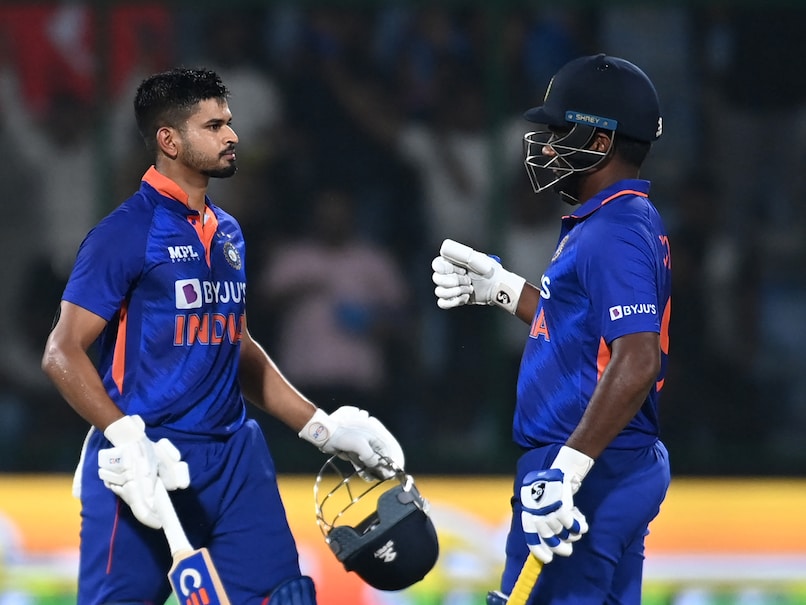
The ongoing debate surrounding the leadership in Indian T20 cricket has reached new heights as Ravi Shastri, former head coach of the Indian national team, weighs in on the futures of Sanju Samson and Shreyas Iyer. With India recently crowned champions at the T20 World Cup 2026 under Suryakumar Yadav's captaincy, the impending transition to the next cycle raises crucial questions about who will lead the team moving forward.
Shastri, a vocal figure in cricketing circles, has expressed a preference for Shreyas Iyer as the long-term captain. Iyer, who has demonstrated his leadership skills in the IPL, particularly with the Kolkata Knight Riders, is seen as a player who can blend aggression and strategic thinking. In contrast, Samson, who has been at the helm of the Rajasthan Royals, offers an alternative style of leadership that some believe is more aligned with the evolving dynamics of T20 cricket.
The selection committee faces a challenging decision. A captain's ability to inspire teammates and manage pressure in high-stakes games is paramount. Shastri's assertion that Iyer possesses these qualities may steer selectors toward a leadership change. However, with Yadav's successful World Cup campaign, many will argue that continuity might be the safer route.

The Rise of Women's Cricket
In parallel to the men’s T20 leadership discussions, significant strides are being made in women’s cricket. Legendary fast bowler Jhulan Goswami highlighted the positive impacts of the Bengal T20 League in shaping the women’s game in India. The investments made by the Cricket Association of Bengal (CAB) have not only encouraged grassroots participation but have also begun to create a more competitive environment at the state level.
Goswami's comments underline a critical shift in how women's cricket is perceived and nurtured in India. The rise of leagues such as the Bengal T20 League is crucial as they provide platforms for female players to showcase their talent and gain recognition. As the demand for women’s cricket continues to grow, initiatives like these are foundational to ensuring that the sport flourishes and attracts future stars.
Mixed-Gender Cricket: A Landmark Development
In a groundbreaking move, the introduction of Test Twenty has marked a pivotal moment for cricket. This new format not only innovates the game but also introduces the Parity Rule, making it the first major cricket ecosystem designed for mixed-gender participation. This initiative challenges traditional gender roles in sports and brings a fresh perspective to how cricket can be played and enjoyed.
The Parity Rule allows for a more inclusive environment, giving both male and female players equal opportunities to compete at high levels. This development is seen as a reflection of changing societal norms and a step towards greater diversity in sports. By fostering an inclusive atmosphere, cricket can reach new audiences and build a broader fan base. The implications of this format could revolutionize how younger generations engage with the sport.
The Road Ahead for Indian Cricket
As Indian cricket stands on the cusp of these changes, the leadership dilemma looms large. Samson's tenure has been marked by both brilliance and inconsistency, leaving fans divided. While his batting prowess is undeniable, the question remains whether he can rally the team in pressure situations. In contrast, Iyer’s approach has often been marked by calmness and adaptability, characteristics that may serve India well in the turbulent waters of international T20 cricket.
The upcoming IPL season will serve as a crucial proving ground for these players. With the spotlight on their respective teams, both captains will need to display their leadership capabilities. The performances in the IPL will likely influence the selectors' choices as they seek to create a squad that not only performs well but also embodies the spirit of Indian cricket.
Conclusion: A New Era for Indian Cricket
As the debate surrounding captaincy continues, the evolution of women’s cricket and the advent of mixed-gender formats signal an exciting future for the sport in India. With leaders like Iyer and Samson potentially at the forefront, and the emphasis on inclusivity through initiatives like the Test Twenty, Indian cricket is entering a transformative phase. Fans and experts alike will be keenly watching how these narratives unfold, with the next T20 World Cup cycle promising to be as thrilling as ever.
For more insights on the changing landscape of Indian cricket, check out our related coverage on Mumbai Indians' Tilt Towards Young Talent and Bumrah Leads MI to Victory in Thrilling PBKS Clash.