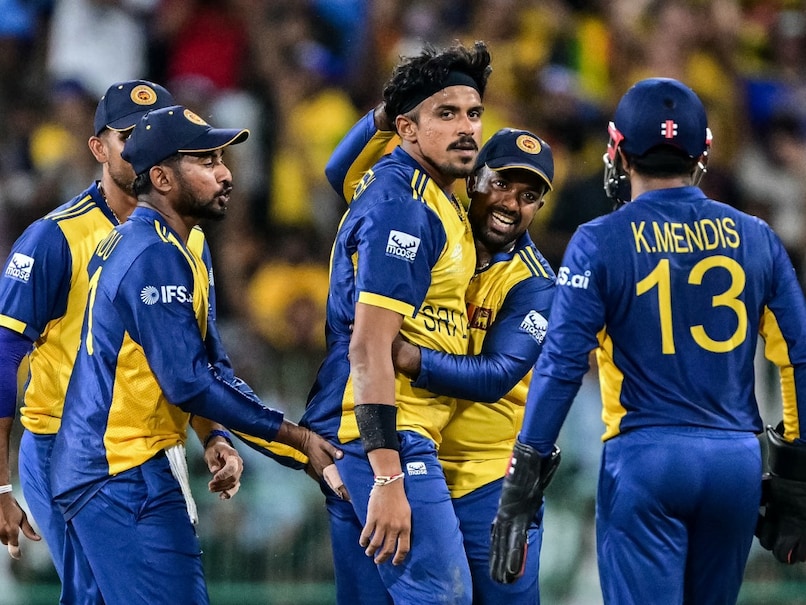
Governance Crisis in Sri Lankan Cricket
Sri Lanka cricket finds itself at a precarious juncture, as a high-level team from the International Cricket Council (ICC) arrives to assess the new governance structure of the Sri Lanka Cricket Board (SLC). Following the Sri Lankan government's appointment of an interim committee to manage the SLC, questions loom over the future of cricket in the nation. With cricket being a vital part of Sri Lankan culture, the ramifications of this governance shake-up could be profound.
The ICC team, which includes a senior official from the Board of Control for Cricket in India (BCCI), highlights the international cricketing community's focus on Sri Lanka's internal issues. A strong governance framework is essential for the successful administration of cricket, especially in a country that has produced stellar talents such as Kumar Sangakkara and Muttiah Muralitharan. The upcoming ICC meetings could lead to critical recommendations aimed at stabilizing the SLC.

Implications of Government Intervention
The decision by the Sri Lankan government to intervene in cricket management, although intended to bring about positive change, has raised eyebrows. Critics argue that such political interference could damage the autonomy of cricketing institutions. The SLC has faced numerous challenges in recent years, including financial mismanagement and a series of underwhelming performances on the field. The ICC's involvement will be crucial in ensuring that governance structures align with global standards.
The impact on the national team is already noticeable. Recent performances have been lackluster, and the instability within board management has trickled down to players. The prospect of an ICC-backed overhaul could serve to rejuvenate not only the administrative side but also the playing side of Sri Lankan cricket. As the world looks on, it is a testing time for players such as Dimuth Karunaratne, who find themselves in a critical threshold between a legacy of excellence and the need for reform.
A Historical Context
Sri Lanka's cricketing history is rich and storied. From their improbable victory in the 1996 Cricket World Cup to becoming a formidable force in the T20 format, the nation has demonstrated resilience. However, governance issues have often plagued the SLC, making effective management a recurring challenge. The current turmoil is reminiscent of past crises, but the involvement of the ICC could pave the way for a more stable future.
As the ICC team evaluates the situation, the focus will likely be on establishing a roadmap that prioritizes integrity, transparency, and accountability. The cricketing world awaits the team's recommendations, which could dictate a new course for Sri Lankan cricket for years to come.

What Lies Ahead for Sri Lankan Cricket?
As the situation develops, Sri Lanka's cricketing future hangs in the balance. Will the ICC's presence lead to meaningful reforms, or will political influences continue to disrupt the sport? The answer may lie in the interim committee's willingness to embrace change. Stakeholders must prioritize cricket's interests above all else. The ongoing situation highlights a broader issue within the cricketing community: how governance directly impacts performance on the field.
The international cricketing community will watch closely. Countries are increasingly cognizant of the importance of sound governance. It is not merely about the game; it is about building a framework that nurtures talent and respects the sport's integrity. The ICC has previously intervened in other nations facing similar challenges, most notably in Zimbabwe and Afghanistan, showcasing its authority and willingness to take decisive action.
With the IPL 2026 season showcasing some of the best talent from around the world, including players like Rinku Singh, who is making waves, the contrast with Sri Lankan cricket could not be starker. While the IPL thrives in a competitive environment, Sri Lanka battles to assert its own place in the cricketing hierarchy. The connection between governance and performance is clear, as evidenced by the current state of affairs in the SLC.
Conclusion: A Call for Stability
The ICC's arrival in Sri Lanka marks an essential moment for the future of cricket in the nation. The need for a robust governance framework cannot be overstated. As they navigate this turbulent phase, it is imperative for the interim committee to seize the opportunity for reform. The outcome could define Sri Lanka's cricketing landscape for decades to come. The cricketing world remains hopeful, keeping a keen eye on developments that will determine whether Sri Lanka can rise once more to the pinnacle of the sport.
For a deeper look at the implications of governance on cricket, check out our coverage of Rinku Singh: The Resurgent Star of IPL 2026 and the IPL 2026 Playoff Race.