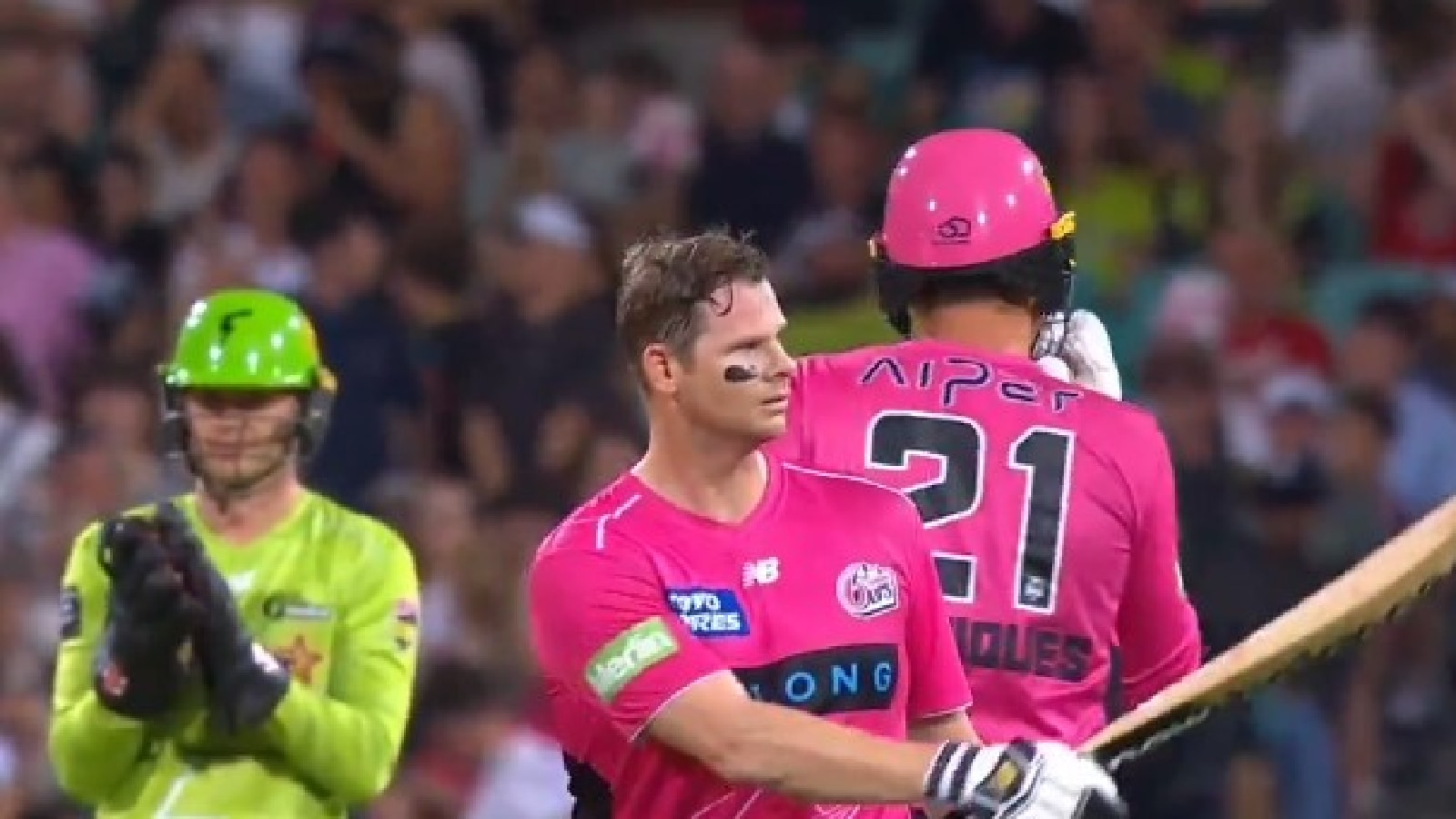
The Suspense of IPL 2026
In what has been a rollercoaster edition of the Indian Premier League (IPL) 2026, controversies and challenges continue to shape the tournament’s narrative. As teams battle for supremacy on the field, an unexpected crisis looms off it: the potential absence of spectators due to an appeal from the Cricket Taskforce of India (CTI) to the Sports Ministry to reduce fuel consumption. Such a scenario would not only alter the atmosphere of the tournament but also impact revenue streams and fan engagement, crucial aspects of the IPL's success.
The CTI's appeal arises amidst rising concerns over environmental impacts and the sustainability of hosting grand sporting events. If the IPL were to proceed without fans, the atmosphere would be starkly different. One can only imagine the quiet that would engulf iconic venues like the Wankhede Stadium or Eden Gardens, where cheers and chants have traditionally echoed in the night air. The IPL thrives on its electric crowd energy; without it, the essence of the tournament could be diminished significantly.

The Financial Stakes
The financial implications of holding matches behind closed doors are profound. IPL franchises rely heavily on match-day revenues, including ticket sales, merchandising, and food and beverage sales. For example, in previous seasons, franchises have reported earnings of up to 50% of their total revenue from live matches. The loss of this income would be catastrophic, especially for teams that are already struggling to balance their books.
Additionally, the IPL is a platform that generates substantial advertising revenue. With a significant portion of the cricketing audience tuning in live, advertisers invest heavily during match days. A drop in viewership due to a lack of crowd presence could lead to decreased sponsorship deals and advertising revenues, which are vital for the financial health of the franchises.
Player Morale and Performance
The emotional aspect of playing in front of a supportive crowd cannot be overstated. Players often feed off the energy of their fans, which can dramatically influence performances. Star players such as Virat Kohli and Rohit Sharma thrive in these high-energy environments, often raising their game to match the atmosphere. An empty stadium could lead to a psychological shift, affecting on-field strategies and performance.
In a recent match between the Delhi Capitals and Rajasthan Royals, the palpable excitement of the crowd played a pivotal role in shaping the game. Moments like Kohli’s breathtaking sixes or the electric bowling spells of Bhuvneshwar Kumar are amplified in front of a roaring crowd. Without such enthusiasm, the spectacle of the IPL would fall flat.
The Broader Implications for Cricket
The potential decision to proceed without fans raises broader questions about the future of cricket in India. The IPL has been a trailblazer in terms of commercializing cricket, but it also has a responsibility to protect the sanctity of the sport. As former cricketers like Glenn McGrath and Jason Gillespie have pointed out, any changes in tournament structure must not come at the expense of Test cricket's integrity. The balance between commercial success and the preservation of traditional formats must remain a priority for the governing bodies.
In a world that increasingly prioritizes sustainability, the IPL’s response to these challenges will be closely monitored. If the tournament can adapt to these environmental needs while still delivering a thrilling cricketing experience, it could set a precedent for future sporting events worldwide.

The Road Ahead
As the tournament progresses, team strategies may have to adjust to these potential changes. Coaches and captains will need to ensure that their players remain mentally prepared for the possibility of empty stadiums. Engaging fans through digital platforms has become more vital than ever, with franchises exploring innovative ways to maintain connection. Teams like the Royal Challengers Bangalore have previously leveraged social media to engage fans, and this trend will likely accelerate.
The IPL authorities are undoubtedly faced with tough choices. Striking a balance between maintaining the tournament's excitement and addressing environmental concerns will be crucial. The implications of these decisions are significant not just for the current season, but for the future of cricket in India and beyond. The conversations around sustainability in sports are growing louder, and the IPL may very well be at the forefront of this movement, steering the course of cricket in new, uncharted waters.
As fans, players, and managers await clarity on this pressing issue, one thing remains certain: the IPL will continue to be a focal point of cricketing madness, with its highs and lows capturing the imagination of millions. The tournament must navigate these choppy waters effectively to ensure it remains a celebration of cricket that fans can experience—whether in person or through their screens.
The outcome of this situation will not only impact IPL 2026 but could also redefine how cricket interacts with its audience in the years to come. The sporting world watches with bated breath, hoping for a resolution that honors both the game and the environment.
For further context on the ongoing IPL season, check out our coverage on Kohli's Record-Breaking Night Highlights IPL 2026 Action and Mumbai Indians Face Leadership Dilemmas as IPL 2026 Progresses.