IPL's Value Dilemma: Are Teams Investing Wisely?
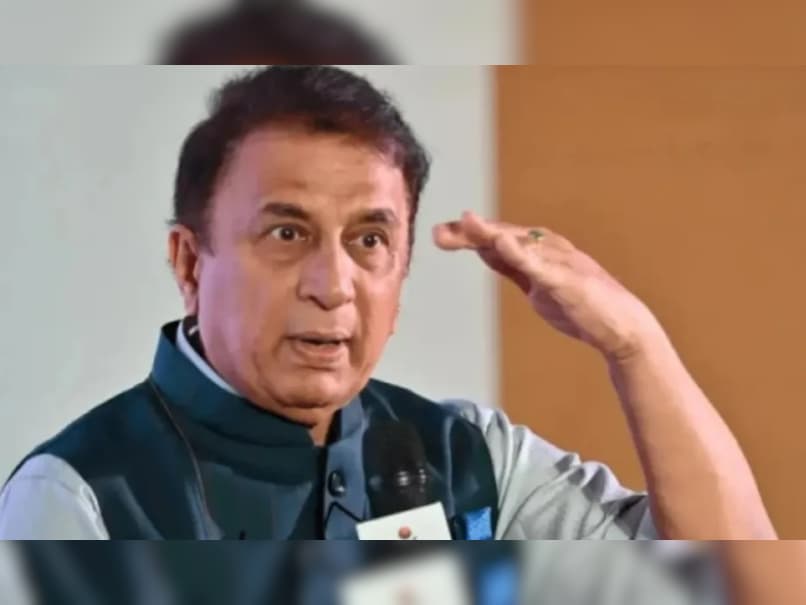
The Indian Premier League (IPL) has always been a double-edged sword. While it serves as a launchpad for young talents, it also raises critical questions about the valuation of players in a league dominated by financial muscle. Recently, cricketing legend Sunil Gavaskar took a hard line, criticizing IPL teams for spending exorbitantly on players he labeled as 'dummy' cricketers. His remarks send ripples through the cricketing community as they underline a growing concern about the management and strategy behind player acquisitions in the tournament.
Gavaskar's comments came against the backdrop of IPL's extravagant auction prices that sometimes overshadow the raw talent of homegrown players. He emphasized that the league's true essence lies in nurturing and developing young cricketers into match-winners. The IPL should not merely be an arena for international superstars, but also a platform for budding talents to shine. The cricketer-turned-commentator pointed out how some players, despite their hefty price tags, never truly deliver on their potential. The question remains: how do teams strike a balance between star power and genuine talent?

Historically, franchises have made questionable decisions during auctions, investing millions in players who have failed to produce results. This year’s auction saw several high-profile players go for lavish sums, some of whom had limited records in T20 cricket. Gavaskar's frustration highlights a stark reality: are franchises merely chasing the allure of big names instead of evaluating core competencies? The data suggests that franchises often fall into the trap of being dazzled by past performances rather than future potential.
Take, for instance, the case of Vaibhav Sooryavanshi, a young talent who broke records and age barriers to make headlines in a recent tri-nation series. His rapid rise illustrates the potential that can emerge from focused development rather than the often arbitrary bidding wars seen during IPL auctions. Teams willing to scout and invest in talent like Sooryavanshi could see long-term payoffs rather than relying solely on established stars. The IPL has the infrastructure and exposure to cultivate such players, and it is time for teams to reassess their strategies.
Teams such as the Rajasthan Royals have made strides in this direction. They have invested in young cricketers and fostered an environment where talent can flourish. According to Dhruv Jurel, a standout player for the Royals, the emphasis on nurturing local talent has been paramount for the team's success this season. This focus is what sets franchises apart in a league characterized by its competitive nature and relentless pursuit of trophies. The IPL’s legacy should hinge on creating new icons, rather than simply recycling existing ones.
Yet, the dilemma persists: how do franchises pivot from the allure of buying established players to trusting unproven talent? It requires a paradigm shift in thinking and scouting. Franchises must develop a comprehensive understanding of players beyond mere statistics; they need to analyze their mental attributes, adaptability in high-pressure situations, and capacity to perform consistently under the immense scrutiny of the IPL spotlight.
The tactics used in the death overs can be a great indicator of a player's skill set. Teams often look for players who can handle pressure, bowl yorkers, or hit big sixes when the stakes are high. The IPL is notorious for its rollercoaster finishes, and this is where many of the so-called 'dummy' cricketers falter. They may be flashy in training or have a good reputation, but when it’s time to deliver, their shortcomings become evident.
As the IPL progresses, teams must refine their recruitment processes and ensure that they’re not just paying for a name, but for a player who can contribute meaningfully to their success. This will not only enhance the overall quality of the tournament but also bring out the best in Indian cricket as a whole. The saga of overpriced players is not just a financial issue; it is about the future of cricket in India, where nurturing grassroots talent is essential.
The IPL has a unique opportunity to redefine its approach. Instead of being a platform that simply showcases established talent, it can be a breeding ground for young cricketers who can become the next generation of legends. Gavaskar’s remarks serve as a wake-up call, urging franchises to rethink their strategies and invest in talent that can genuinely elevate the league’s standards.
As the debate ignites, fans and experts alike are keen to see how teams respond to this challenge. Will they continue in their current trajectory, or will they take the road less traveled, focusing on youth and potential? The answer will significantly impact not only the IPL but Indian cricket's future as well. As the tournament unfolds, it will be fascinating to observe if franchises will heed Gavaskar’s critique and prioritize genuine talent over market-driven hype.
In conclusion, while the IPL has made significant contributions to cricket, the method of player acquisition must evolve. The league's growth should align with the development of grassroots talent rather than a fixation on the established few. A recalibrated approach can lead to a new era of cricketing excellence in India, one that celebrates both the stars of today and the champions of tomorrow.
For deeper insights on IPL strategies and player performances, check out our coverage on Rajasthan Royals' IPL 2026 Journey and the recent Clash of Titans: RR and GT.