Jos Buttler's Tactical Shift: A Final to Remember
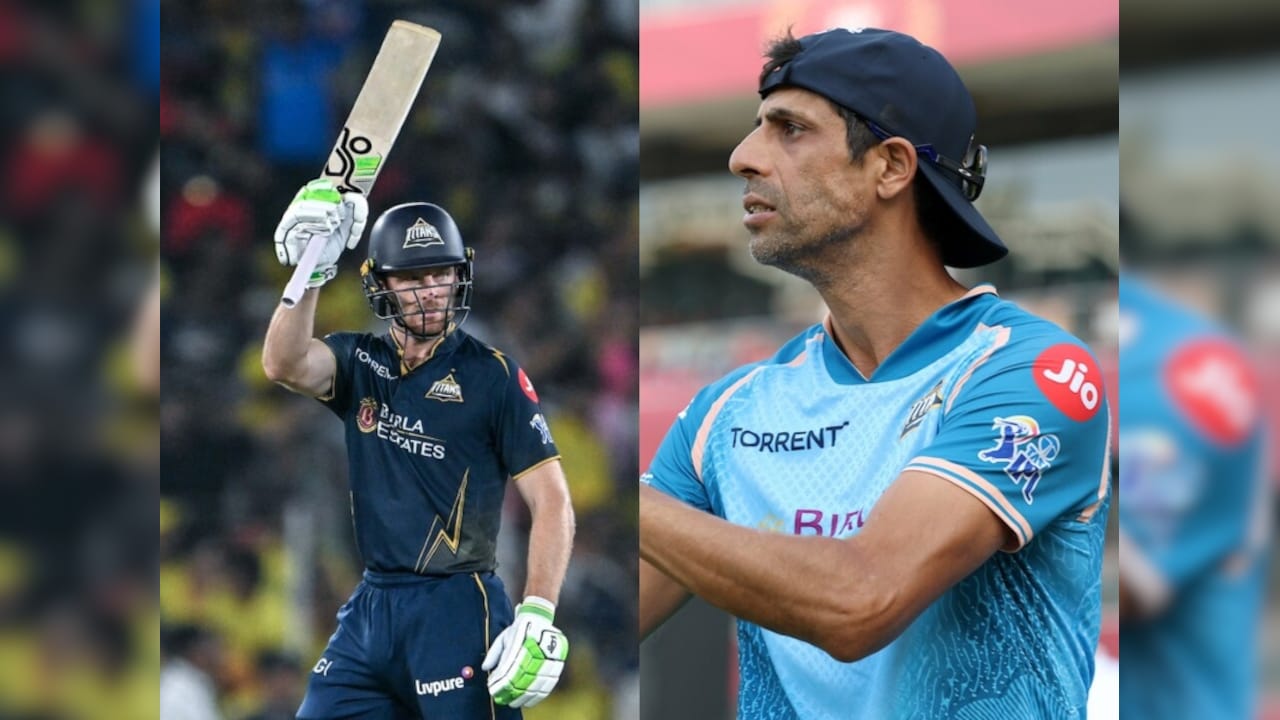
In a gripping IPL 2026 final, the Gujarat Titans found themselves tantalizingly close to glory, only to fall short against a resolute Chennai Super Kings. As the dust settles on what was a pulsating contest, one of the most talked-about moments has been Jos Buttler's decision to bat at No. 4. The English wicketkeeper-batsman revealed that this decision was influenced by Gujarat's Ashish Nehra, who advised him to 'sit back' after Shubman Gill's dismissal.
The Context of the Final
The stakes could not have been higher as the Titans stepped onto the field at the Wankhede Stadium, a venue that reverberates with cricketing history. Gujarat's journey to the final was marked by stunning performances, especially from Shubman Gill, whose form had propelled the team through the tournament. However, with Gill's early exit, the onus shifted onto Buttler, who had been a linchpin for the Titans throughout the season.
Buttler's batting order placement raised eyebrows. Traditionally a top-order batsman, his move to No. 4 was seen as a tactical adjustment. Speaking after the match, Buttler said, "When Shubman got out, Ashish said to me to sit back and let the others take charge. It was a moment that required a different approach."
Buttler’s ability to adapt is a hallmark of his game. However, with the pressure mounting and the top order faltering, the question remains: did this decision ultimately cost the Titans the title?

The Match Unfolds
From the very first ball, the match was a nail-biter. The Titans, batting first, stumbled early as Gill fell to a brilliant delivery from Deepak Chahar. The explosive start anticipated by fans quickly dissipated, leading to a tense atmosphere in the stands. Buttler’s arrival at the crease came amidst a flurry of wickets, with Gujarat's innings resembling a house of cards. His cautious approach was noticeable; every run was hard-earned, as he looked to stabilize the innings.
However, Buttler's pragmatic play was soon disrupted. Facing the CSK spin duo of Ravindra Jadeja and Moeen Ali, he struggled to find his rhythm. Both spinners exploited the turning conditions, leading to Buttler's dismissal for a mere 29 runs. The frustration was palpable, as the crowd, initially electric, sat in stunned silence.
Nehra's Guidance and Its Implications
Nehra's guidance to Buttler not only indicates a strategic mindset but also highlights the dynamic roles in a high-pressure environment. The former Indian pacer understood the gravity of the situation and insisted on a more cautious approach. It was a gamble that, in hindsight, could be seen as both wise and flawed. Had Buttler opted to attack earlier, the dynamics of the match might have shifted dramatically.
On a related note, the Titans' struggles at key moments are not new. Throughout the tournament, their inability to maintain momentum after losing crucial wickets has often cost them dearly. This final was a microcosm of that pattern. The team’s reliance on individual brilliance, particularly from Gill, left them vulnerable when he departed. Buttler's tactical shift may have been a moment of clarity, but it ultimately lacked the execution needed to turn the tide.
The Turning Point
As the innings progressed, it became clear that Gujarat's total was below par. The Titans managed a modest 150 runs, a total that would require their bowlers to perform miracles. CSK, known for their steely resolve, approached the chase with calmness. It was a familiar script; they didn’t panic, instead methodically chipped away at the target.
With every boundary struck by CSK, the pressure on Gujarat mounted. The bowling unit, which had been the backbone of their campaign, faltered under pressure, allowing CSK to seize control. The Titans have often leaned heavily on their bowling, but in this final, it was a different narrative. As the overs dwindled, the Titans' bowlers appeared to be running out of ideas, and the scoreboard began to reflect the growing unease.
A Lesson in Leadership
Buttler's experience was palpable even in defeat. His leadership qualities shone through during the post-match presentations as he took responsibility for the decision-making. "We need to learn from this. Finals are often decided by small margins, and we didn’t execute our plans well enough today," he stated. His humility and willingness to learn could serve as a crucial turning point for the franchise in future seasons.
In the grand scheme of IPL history, this match will be remembered not just for the result but for the tactical decisions that defined it. The balance between aggression and caution is often the fine line that separates victory from defeat. For the Titans, it’s a lesson learned the hard way.
Looking Ahead
As Gujarat Titans reflect on their near miss, the focus will inevitably shift towards the future. With a core group of players, including Buttler and Gill, the potential for success remains high. However, they will need to reassess their strategies, especially in high-stakes matches. Buttler’s experience will be invaluable as they prepare for the next season.
In conclusion, the IPL 2026 final was a reminder of the game's unpredictability. The decisions made on the pitch can create ripples that last long after the final ball is bowled. For the Titans, the journey continues, but the lessons from this match will resonate as they strive for IPL glory. For a detailed analysis of Gujarat's journey, read about Shubman Gill's impact in the final.