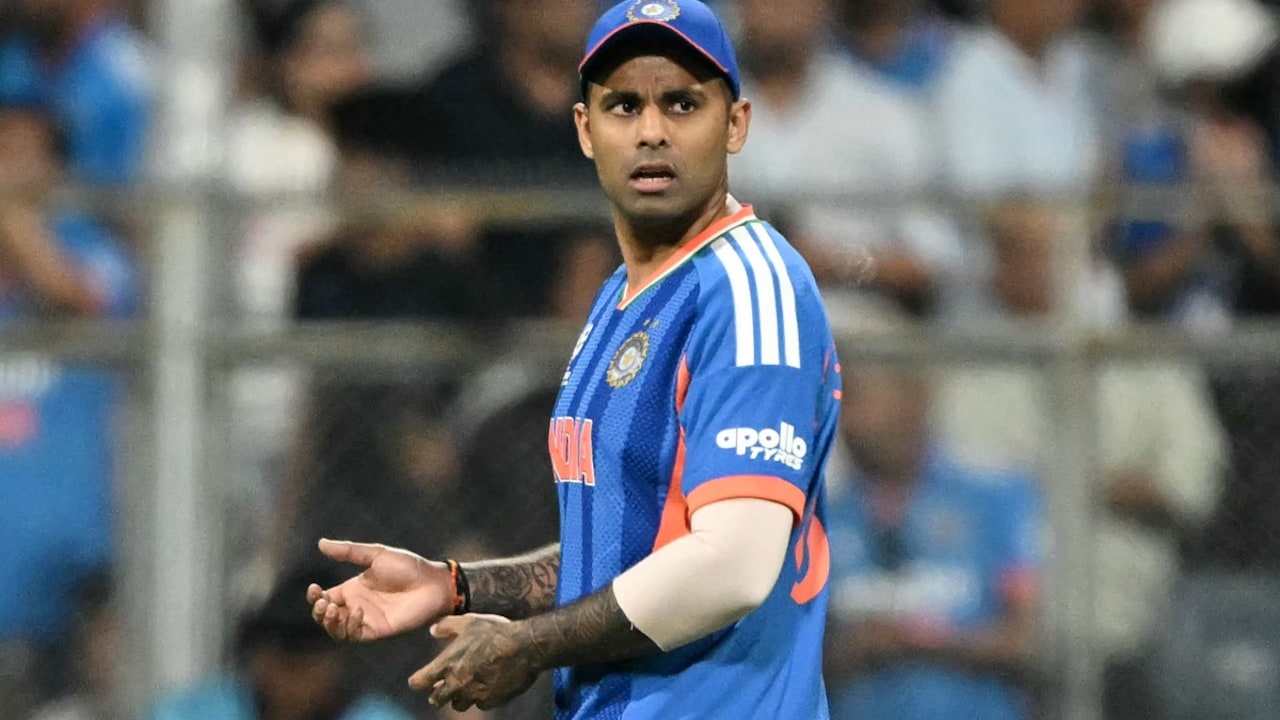
A Sudden Turn of Events
Suryakumar Yadav, once hailed as the architect of India’s T20 World Cup 2026 victory, now finds himself at a crossroads. Reports indicate that he is set to lose the T20I captaincy, a decision that has sent shockwaves across the cricketing community. How did a player who led his team to the pinnacle of T20 cricket fall from grace so quickly?
Yadav's captaincy was celebrated after he guided India to an extraordinary win in the T20 World Cup, showcasing his tactical acumen and ability to motivate players. Under his leadership, India displayed a brand of cricket that was aggressive yet composed. The team's performance during the tournament, especially during the knockout stages, was nothing short of spectacular. His innovative strategies, such as utilizing bowlers effectively during the death overs and securing crucial runs in the powerplay, were pivotal to India's success.
However, the sudden shift in Yadav's fortunes can be traced back to inconsistent performances in subsequent matches. Critics have pointed out that while Yadav's captaincy was initially praiseworthy, his individual performances began to falter in the months following the World Cup. The pressures of leadership can weigh heavily, especially when the results do not match expectations.

The Shock of Dismissal
Sources suggest that the Board of Control for Cricket in India (BCCI) has expressed dissatisfaction with Yadav's recent form. As a captain, he is expected to lead by example, and his diminishing returns with the bat have raised eyebrows. With the T20I captaincy reportedly on the line, questions arise about what this means for his future in international cricket. A captaincy change so soon after a major victory also hints at the intense scrutiny that players and leaders face in modern cricket.
The situation draws parallels with previous instances in cricket history where captains have been dismissed shortly after achieving significant milestones. For instance, the abrupt end to Michael Clarke's captaincy after leading Australia to the 2015 World Cup victory serves as a reminder that cricket is a results-driven industry. As Lalit Modi, the former IPL chairman, stated in a recent interview, the demands of the game have changed, and sustaining performance at the highest level is crucial.
The Future of Test Cricket
In a related development, Modi has put forth a bold vision for the future of cricket, arguing that the One Day International format should be dismantled to save Test cricket. His controversial views reflect a growing sentiment among some cricketing circles advocating for a tighter focus on shorter formats. The IPL's success has undoubtedly influenced this viewpoint, creating a scenario where the shorter formats overshadow the traditional game. Modi's assertion echoes the sentiments of many who believe that the evolving landscape of cricket necessitates a re-evaluation of its formats.
As Yadav contemplates his future, fans and analysts alike are left wondering what the next steps will be for both him and the Indian team. The recent turmoil may ultimately serve as a catalyst for change within the squad, potentially paving the way for new leaders to emerge. The IPL's influence cannot be overlooked in such discussions, given that many emerging captains are now being groomed in the high-pressure environment of the tournament.
The IPL Connection
The Indian Premier League has a considerable impact on shaping player careers and leadership roles. Players often showcase their skills in high-pressure situations, making them prime candidates for national duty. Yadav's experience in the IPL undoubtedly contributed to his success in the World Cup. Still, the spotlight now shifts to how he will respond to this new challenge. How will he adapt to regain his place as captain and prove his critics wrong?
With the IPL gearing up for another season, fans are keen to see how Yadav performs with the bat and how he leads his franchise. The dynamic nature of the tournament means that a strong performance can quickly change perceptions, providing a platform for redemption. His experience in navigating the IPL's tactical complexities could offer valuable lessons in resilience, especially as he seeks to reclaim the captaincy.
The Road Ahead for Suryakumar Yadav
As the dust settles on his World Cup triumph, Yadav faces an uphill battle. The cricketing fraternity will be watching closely to see if he can rediscover his form and leadership qualities. With emerging talents waiting in the wings, the pressure to perform has never been greater. The forthcoming IPL season will serve as a litmus test for his character and resolve.
In conclusion, Yadav's situation is a stark reminder of the volatile nature of international cricket. A captaincy change after a World Cup victory raises eyebrows and questions the decision-making processes within the BCCI. Yadav's next steps will be critical not only for his career but also for the future of Indian cricket. He must address the challenges ahead with determination and skill, proving that he deserves a seat at the table once more.
For a deeper understanding of the pressures facing Indian cricket, check out our analysis of Suryakumar Yadav's captaincy under threat here.
As fans eagerly await the next chapter in Yadav's career, the underlying narrative remains the same: in cricket, glory is fleeting, and the need to adapt is paramount.
Conclusion
The cricketing world is watching with bated breath to see if Suryakumar Yadav can rise from the ashes. His journey is not just about reclaiming captaincy but also about reinforcing his legacy in the sport. The IPL, more than just a league, is a breeding ground for resilience, skill, and the relentless pursuit of excellence.