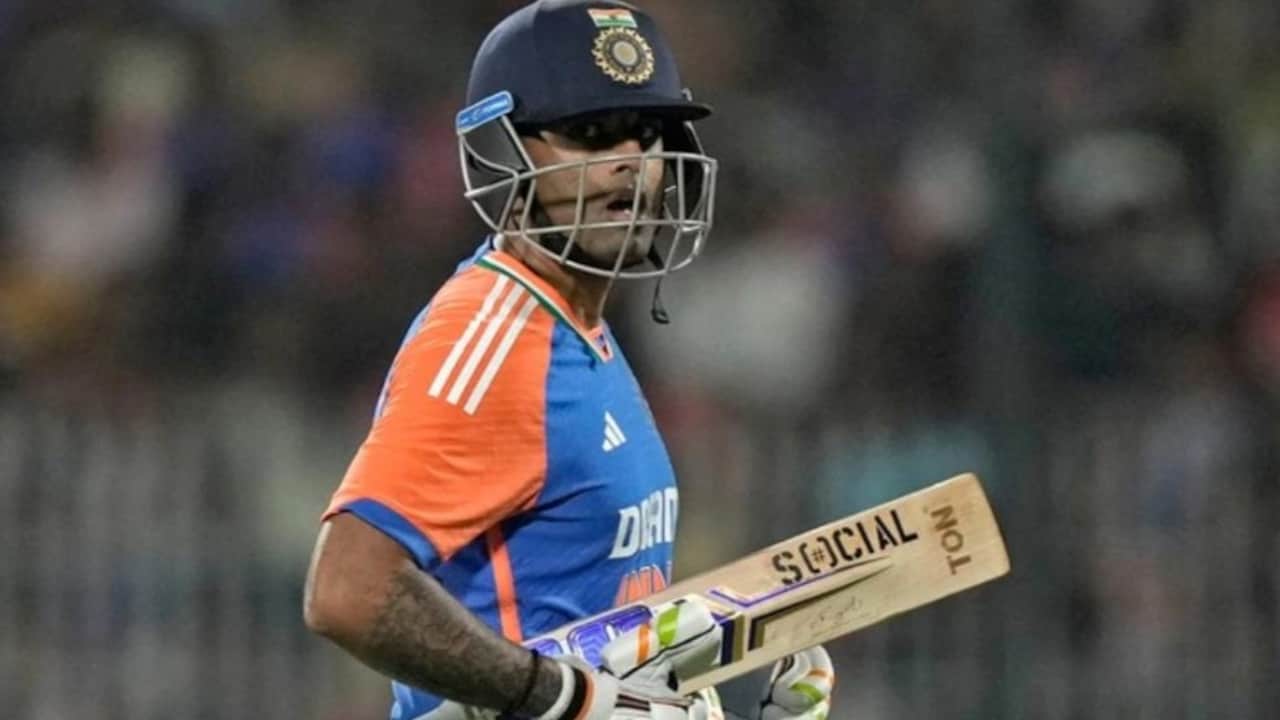
Suryakumar Yadav's Leadership Under Scrutiny
In a surprising turn of events following India's T20 World Cup triumph, Suryakumar Yadav's captaincy has come under intense scrutiny. The former Indian wicketkeeper and chief selector MSK Prasad has voiced concerns regarding the Board of Control for Cricket in India (BCCI) potentially sacking Yadav. In his comments, Prasad cautioned against sending the wrong message, particularly as the team navigates a crucial phase in international cricket.
Suryakumar Yadav has been a cornerstone of India's batting lineup, particularly in the T20 format. His aggressive playing style and innovative shot-making have earned him widespread acclaim. However, following the World Cup victory, there appears to be a push within certain circles to transition leadership roles. The question arises: Are we sending the right signal to the squad by making such a drastic change?

The Impact of Leadership Changes
Leadership in cricket is not merely about strategies or game plans; it is also about maintaining the morale and confidence of the team. Suryakumar's tenure as captain has not been without its challenges. Critics have pointed to his tactical decisions during high-pressure matches. However, it is essential to recognize that leading a group of elite athletes requires time, trust, and stability. Prasad's warning reflects a broader sentiment among former players that the BCCI should think carefully before making any rash decisions.
The T20 format thrives on aggression and adaptability, two traits that Suryakumar embodies. Yet, there are murmurs of change, especially with Shreyas Iyer's rising profile as a captain in the domestic circuit. As the IPL unfolds, Iyer’s leadership of the SOBO Mumbai Falcons, which recently celebrated its maiden victory in the T20 Mumbai League, adds an intriguing layer to the ongoing discourse about captaincy roles.
A New Era for Indian Cricket?
With KS Bharat announcing his retirement from international cricket, the landscape of Indian cricket is indeed shifting. Bharat leaves behind a mixed legacy, having played seven Tests and contributed to the team's efforts in various formats. His departure marks the end of an era, signaling a time for fresh talents to step up. The timing of these changes raises questions: Are we witnessing the dawn of a new era in Indian cricket?
Bharat’s retirement also places additional pressure on the selectors to bring in players who can not only contribute on the field but also adapt to the evolving nature of the game. It is within this context that the debate over Suryakumar's captaincy gains further significance. Will the selectors prioritize experience, or will they opt for youth and innovation as they shape the squad for the upcoming T20 World Cup?
Shreyas Iyer's Emergence as a Leader
Iyer's recent performances, particularly his innings for the Mumbai Falcons, demonstrate his capability to lead from the front. Scoring runs consistently and steering his side to victory, Iyer's contribution cannot be understated. He has already shown his mettle in high-stakes situations and is seen as a potential successor to Suryakumar should the latter's position be reconsidered.
The IPL has always been a proving ground for future leaders, and Iyer’s emergence as a captain during the T20 Mumbai League underscores this reality. Further, it raises an interesting question: how would Iyer manage the pressures of international captaincy, especially considering the expectations that come with leading a team like India?
Balancing Tradition with Modernity
The BCCI finds itself at a crossroads. The traditionalists advocate for stability and continuity, urging the board to stand by Suryakumar during this turbulent phase. Meanwhile, the progressive faction sees an opportunity for change, particularly with emerging players like Iyer making their mark. The balance between these two perspectives will shape the future of Indian cricket.
Prasad's cautionary note serves as a reminder that decisions regarding leadership should not be made lightly. The implications of such changes extend beyond the cricket field, affecting team dynamics and the overall perception of the national team.
Conclusion: A Pivotal Moment for Indian Cricket
As India prepares for its next set of international commitments, the focus will undoubtedly be on who will lead the T20I side. Will Suryakumar Yadav remain at the helm, or will the BCCI decide to transition to someone like Shreyas Iyer? This decision will not only impact the immediate future of the team but also set a precedent for how leadership roles are perceived in Indian cricket.
Such decisions require careful consideration, especially in the wake of significant achievements. As cricket fans, we are left to ponder the direction that Indian cricket will take amidst these critical changes. For now, Suryakumar Yadav's captaincy hangs in the balance, a true test of both his resilience and the vision of those guiding Indian cricket forward.
For further insights on Shreyas Iyer's leadership journey, check out our earlier coverage on Shreyas Iyer Set to Lead India in T20Is and the implications for the IPL landscape in IPL 2026 Pitches Under Fire.