A New Era Begins
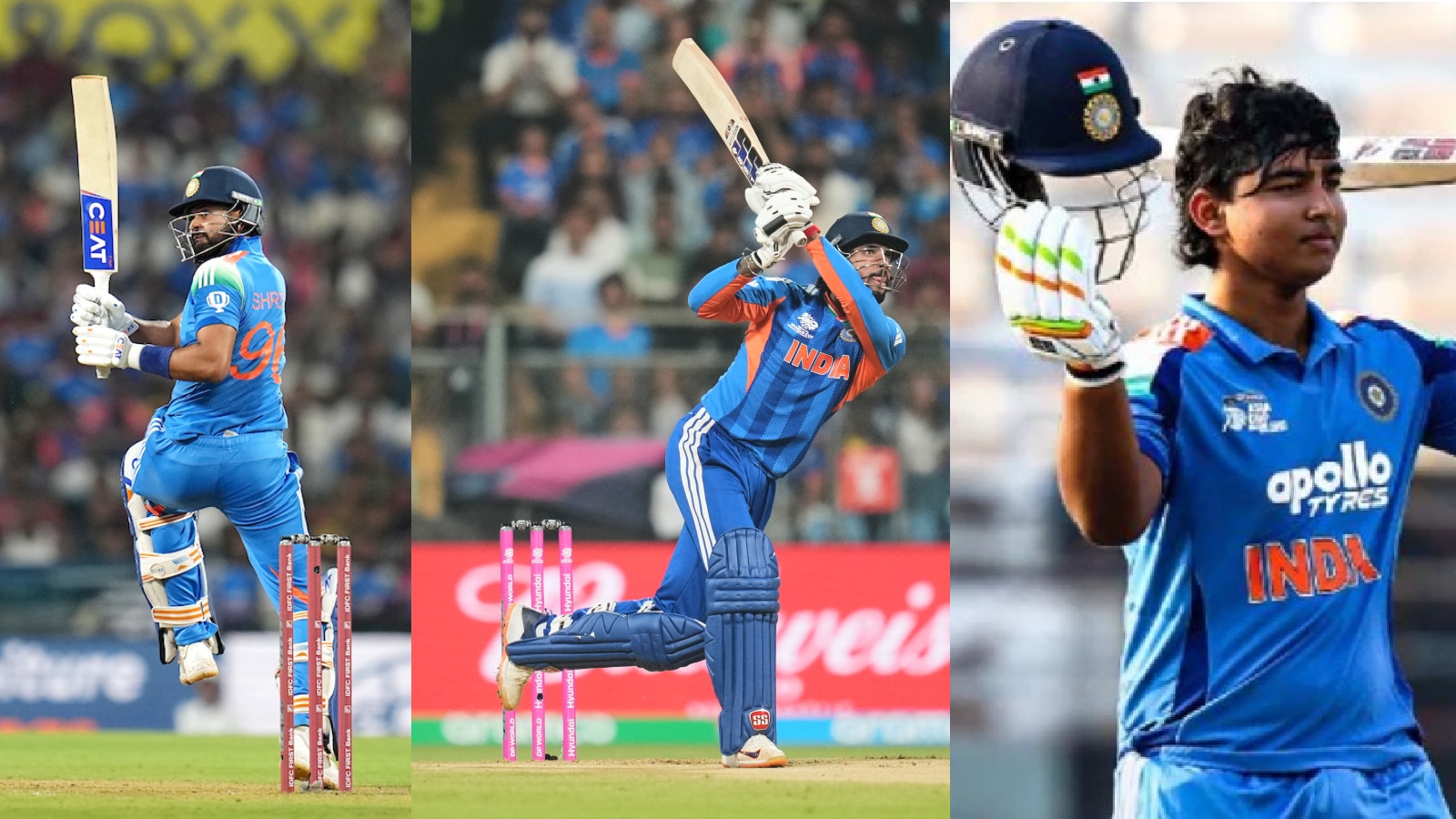
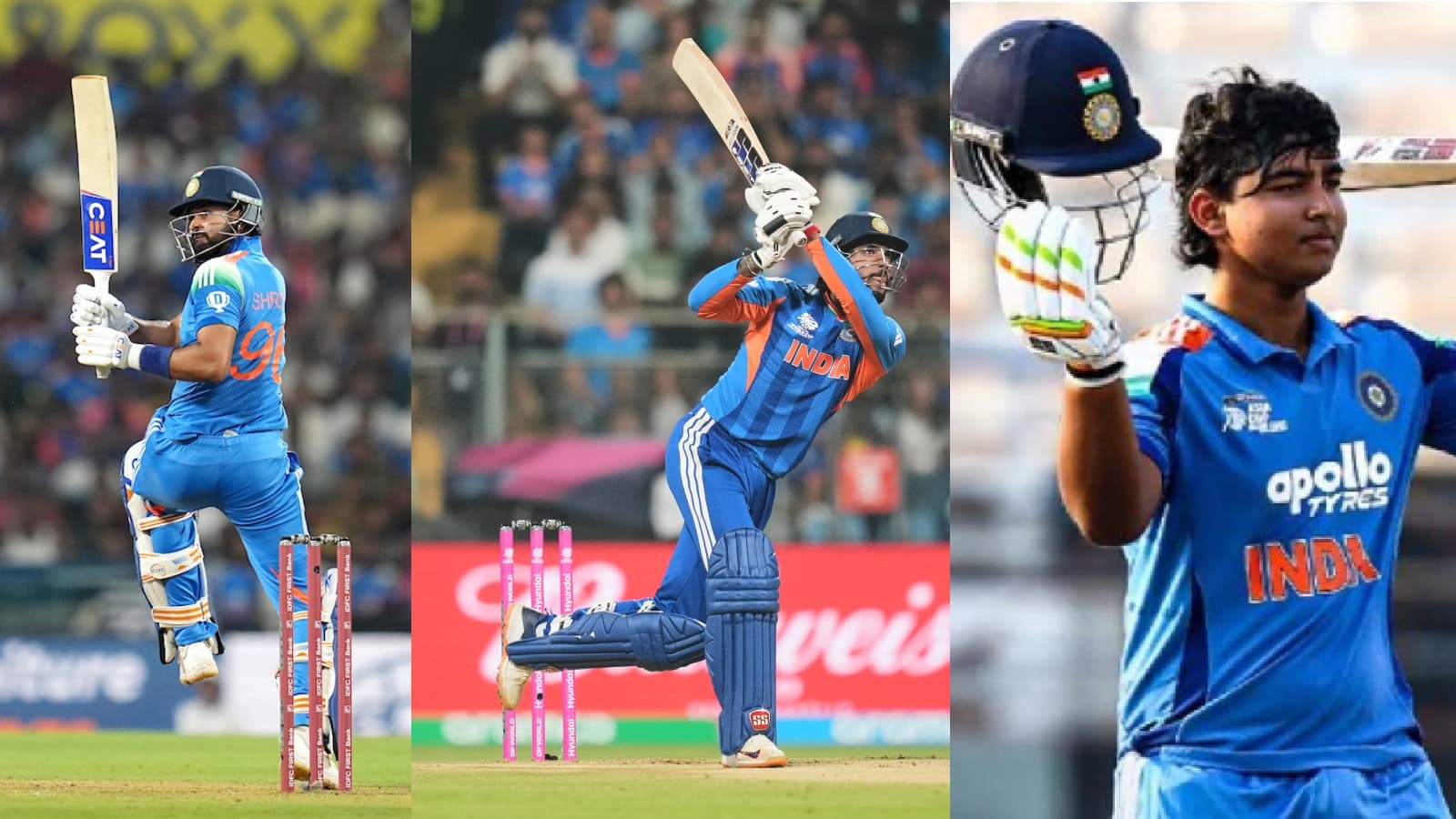
The winds of change are blowing through Indian cricket as selectors shift their focus from established reputations to promising talent. The announcement of Shreyas Iyer as the new T20I captain is a clear indication of this transition. Iyer's appointment comes amid a backdrop of mounting expectations as India gears up for the T20 World Cup 2028. This bold move not only signals a commitment to youth but also highlights the necessity of evolving leadership in a format that thrives on innovation and dynamism.
Rohit Sharma, who has captained the T20 team since 2017, expressed his support for Iyer’s new role, emphasizing the challenges that lie ahead. “Nothing comes easy,” Sharma stated, acknowledging the pressure Iyer will face as he takes the helm of the national side. This sentiment resonates deeply within the cricketing fraternity, especially given the high-stakes environment of international cricket.
As the selectors focus on nurturing fresh talent, the significance of Iyer’s leadership cannot be understated. He has demonstrated maturity and resilience in the IPL, leading the Kolkata Knight Riders with a balanced mix of aggression and strategic thinking. His ability to galvanize players around him will be critical as India navigates the complexities of international T20 cricket in the coming years.
[in-line-image: 1]
Rohit Sharma's Road Ahead
However, this transition has raised questions about the future of seasoned players like Rohit Sharma. Despite his impressive track record, former BCCI selector Saba Karim pointed out that Sharma must undergo significant improvement to secure his place in the 2027 World Cup squad. The challenges are not merely form-related; they delve into the mental resilience required for high-pressure games. Sharma, a player of immense talent, has often found himself on the wrong side of the scoreboard in crucial matches.
This coming season will be pivotal for Sharma, not just as a player but as a mentor. His experience will be invaluable to Iyer and the rest of the squad. The need for Rohit to rise to the occasion is underscored by the performance metrics from the previous IPL seasons, where his batting averages have shown fluctuations. The cricketing world will be watching closely as he attempts to reconcile his past successes with the demands of the future.
The Promising Future of Indian Cricket
With Iyer at the helm, the selectors are clearly placing their faith in youth. The decision to prioritize emerging talent aligns with the broader strategy of building a squad that can compete on an international stage for years to come. This approach is particularly vital in the context of the T20 format, where adaptability and innovation often determine the victor.
The recent IPL seasons have showcased a plethora of young talent ready to step up. Players like Prithvi Shaw, Ravi Bishnoi, and Ishan Kishan have delivered consistent performances, and their inclusion in the national setup is a testament to the selectors' vision. As India prepares for the T20 World Cup, the synergy between experienced players and fresh talent will be crucial.
Virat Kohli's Continued Presence
While Rohit's future remains uncertain, the selectors have shown a clear inclination towards retaining Virat Kohli in the mix. The former captain brings unparalleled experience and a hunger for success that can inspire younger players. Kohli's recent performances in T20 leagues have reaffirmed his status as a key player. His fitness and form are critical as the team builds towards the 2028 World Cup.
The question remains whether Kohli can maintain his level of performance as he navigates the twilight years of his career. The selectors seem convinced of his value, but a consistent output will be necessary for him to solidify his position in the squad. The dynamic between Kohli and Iyer will be intriguing to watch as they embark on this new journey together.
The Road Ahead
As India embarks on this new chapter, the combination of seasoned campaigners and exciting newcomers presents a unique opportunity. The selectors are clearly aware of the challenges that lie ahead, and their decisions reflect a strategic pivot towards sustainable success. Iyer's leadership style, born from his experiences in the IPL, will be tested on the international stage. The T20 format rewards agility and innovative thinking, traits that Iyer has exhibited in abundance.
The cricketing world is buzzing with anticipation as the squad assembles for the upcoming international fixtures. Fans are hopeful that this shift in leadership will yield positive results and rejuvenate the Indian T20 side. As the players prepare for a rigorous schedule, the emphasis will be on building team chemistry and adapting strategies that align with Iyer’s vision.
This strategic reorientation is not just a matter of aesthetics; it is crucial for India’s competitive edge in the global arena. The selectors’ faith in Iyer, alongside the support of veterans like Sharma and Kohli, could create a potent mix that propels India back to the summit of T20 cricket.
In conclusion, the landscape of Indian T20 cricket is evolving. The appointments of Iyer and the ongoing discussions surrounding Sharma and Kohli illustrate the complexities of modern cricket. As the team prepares for a future filled with promise, the emphasis will undoubtedly remain on harnessing potential and fostering an environment ripe for success.
For more insights on the shifting dynamics of Indian cricket, check out our coverage on Virat Kohli's injury and the captaincy change.