A Storm in the Cricketing World
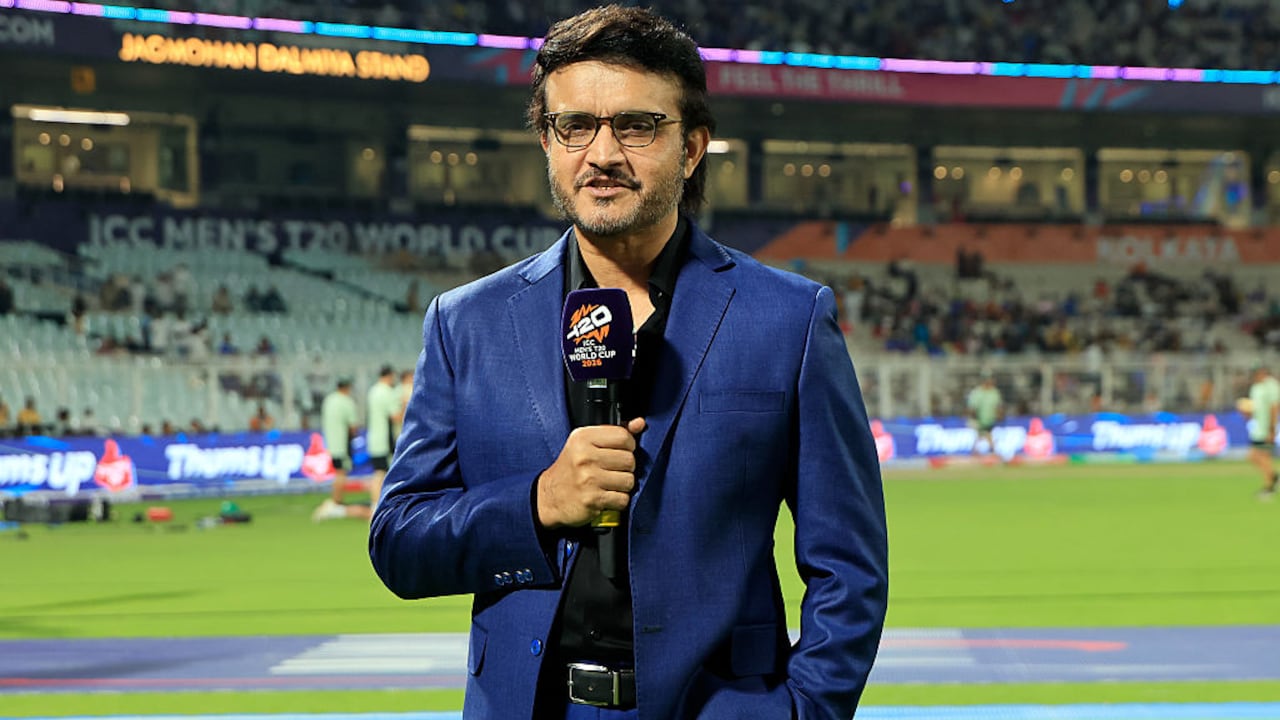
In recent days, cricket has witnessed two significant controversies that have sent ripples across the community. Sourav Ganguly, former captain of India and a revered figure in the cricketing fraternity, has filed a police complaint against a social media page for allegedly publishing defamatory posts aimed at tarnishing his reputation. Simultaneously, the Indian cricketing landscape was rocked by a contentious Super Over decision during a tri-series match between India A and Sri Lanka A, leaving fans and players alike questioning the integrity of officiating. As these stories unfold, they highlight the fragile nature of public perception and accountability within the sport.
Ganguly's Stand Against Defamation
Sourav Ganguly's complaint underscores a growing concern about the impact of social media on public figures. The former BCCI president stated that the page in question has continuously shared malicious posts designed to create a negative impression among the public. This incident is not just about Ganguly; it reflects a broader issue where social media platforms can easily propagate false information without consequence. Ganguly, known for his leadership both on and off the field, has taken a firm stand, indicating that he will not allow his reputation to be marred by unfounded allegations.
His complaint not only seeks accountability from the pages that spread false narratives but also serves as a warning to others who may think they can operate with impunity in the digital space. The influence of social media in cricket has grown tremendously, with players and officials often becoming targets of online harassment. Ganguly's move may set a precedent for other cricketers who find themselves in similar situations.

India A's Super Over Controversy
In another incident that has stirred debate, the Super Over situation during the India A versus Sri Lanka A match has come under scrutiny. After a thrilling tie, the decision made by Tilak Varma, the captain, and the umpires has sparked outrage among fans and analysts alike. The phrase “Ball dikh hi nahi rahi” (the ball is not visible) became infamous as players questioned the clarity of the decision-making process during a critical juncture of the game.
India A’s defeat in the Super Over has ignited discussions about the accountability of umpires and the need for better protocols in high-pressure situations. Critics argue that if players are uncertain about the visibility of the ball, how can umpires confidently make game-defining calls? The emotional toll on Varma and his teammates cannot be understated, as they grapple with the consequences of a decision that many believe was flawed.
The fallout from this match has led to calls for a review of the current officiating standards in domestic cricket. High-stakes matches demand high-caliber officiating, and fans are pushing for changes that ensure clarity and fairness in decision-making. As the debate rages on, the need for improvement in umpiring practices remains a pressing concern.
Fan Reactions and Media Responses
The reactions from fans have been swift and vocal. Social media platforms are ablaze with opinions from cricket aficionados, many siding with Ganguly and supporting his quest for justice. Meanwhile, the Super Over fiasco has led to hashtags trending on Twitter, with calls for accountability directed at the match officials. The cricketing community is divided, with some defending the umpires, suggesting that human error is an intrinsic part of the game, while others argue that such errors should not be tolerated at any level.
Media outlets are also weighing in, with op-ed pieces discussing the need for stringent regulations regarding social media conduct concerning public figures. The combination of Ganguly's complaint and the questionable Super Over decision presents a unique crossroad for the sport, where the lines between player accountability, media responsibility, and fans' perceptions are increasingly blurred.
The Broader Implications for Cricket
This dual controversy serves as a reminder of the evolving nature of cricket in the digital age. As players navigate their careers amid relentless public scrutiny, the significance of reputation becomes paramount. Ganguly's proactive approach to addressing defamation is crucial, as it sets a tone for future interactions between players and the media landscape.
On the other hand, the Super Over incident raises questions about the reliance on human judgment in critical moments of the game. The push for the implementation of technology, such as the Decision Review System (DRS), could be seen as an essential step forward for ensuring that such incidents do not tarnish the game's integrity. The ongoing discussions around these topics are likely to shape the future of cricket governance and officiating standards.
Conclusion: A Call for Reflection
As cricket enthusiasts, we find ourselves at a pivotal moment. The controversies surrounding Sourav Ganguly and the Super Over debacle involving India A are not merely isolated incidents. They reflect broader systemic issues that need to be addressed for the sport to thrive. Players, officials, and governing bodies must engage in constructive dialogue that fosters accountability, transparency, and respect for the game.
As we await further developments in both stories, one thing remains clear: the cricketing world is watching closely. The outcomes of these controversies may very well determine how the sport navigates its future challenges in an increasingly complex media environment. For in-depth coverage of these unfolding stories, stay tuned to NDTV Sports and explore our related internal articles for historical context.