A Call for Change
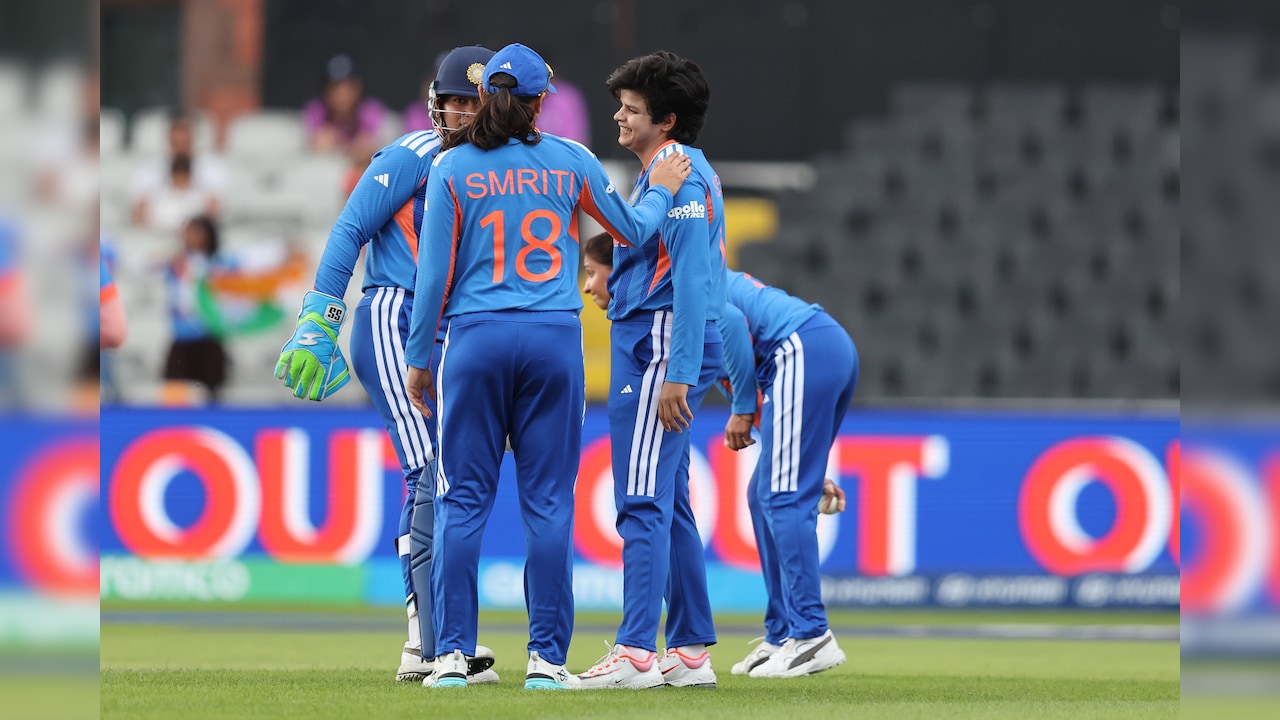
The Women’s T20 World Cup has seen its fair share of thrilling contests, but India’s six-wicket defeat to South Africa at Old Trafford raised significant eyebrows. It was a match that highlighted the need for introspection and tactical adjustments within the Indian camp. In the aftermath of this defeat, former captain Mithali Raj has stepped forward with a suggestion that could reshape India's batting strategy. Raj believes that captain Harmanpreet Kaur should be promoted to number four in the batting order.
Raj’s insights come at a time when India needs to reassess their approach, particularly in the middle overs where they have historically struggled. Kaur, known for her aggressive batting style and ability to anchor innings, could provide the stability and firepower that the team needs in the crucial phases of a match. As the team gears up for the next challenges in the tournament, this proposed change might just be the spark they require.
The Need for Strategic Change
India faced a challenging chase against a formidable South African side. Despite a reasonable start, the middle-order collapse proved to be the turning point. The inability to accelerate during the middle overs left the team in a precarious position. With Kaur in at four, India could exploit her experience and batting prowess, allowing her to dictate terms during the pivotal moments of the innings. Her presence could also provide much-needed support to the younger players, bridging the gap between experience and youth.

In the world of T20 cricket, the importance of having a reliable middle-order batsman cannot be overstated. A player like Kaur, who possesses the ability to shift gears and take the game away from the opposition, is crucial. Her international experience stands as a testament to her capacity to perform under pressure, something India desperately needs as they navigate the complexities of knockout stages.
India’s Batting Woes
The match against South Africa was not just a loss; it was a glaring reflection of the various issues plaguing India’s batting order. Players like Shafali Verma and Smriti Mandhana have shown promise at the top of the order, but their efforts have often been undermined by a lack of stability in the middle. This has been a recurring theme for India. The reliance on a few key players to deliver consistently has left the team vulnerable.
Raj's recommendation to push Kaur up the order is not just about providing stability; it's about maximizing the potential of the batting lineup. With the likes of Jemimah Rodrigues and Richa Ghosh also in the mix, a shuffle could lead to a more robust batting card. The dynamic between Kaur and these younger players could create an environment where they are encouraged to express themselves freely.
The Role of Leadership
Harmanpreet Kaur’s leadership is another pivotal factor in this conversation. As a captain, her position in the batting order can influence the morale of the entire team. When a leader is positioned to contribute significantly, it not only boosts individual confidence but also galvanizes the team as a whole. Raj’s advocacy for Kaur’s elevation in the batting order is essentially a call for stronger leadership at a critical juncture.
The dynamics of T20 cricket require captains to be adaptable and proactive. Kaur has shown the ability to lead from the front, evidenced by her match-winning performances in the past. By placing her in a more influential batting position, it affords her the opportunity to take charge during crucial moments and set the tempo for the innings.
Looking Ahead
As India prepares for their upcoming matches, the focus will inevitably shift to how they implement these changes, if at all. The cricketing world is watching closely, and the pressure is mounting. The T20 World Cup is unforgiving, and every match carries immense weight. A strategic adjustment in the batting order might just be the difference between success and early elimination.
The competition is fierce, with teams constantly evolving their tactics. The success of teams like South Africa and Australia has been built on a solid middle order that can absorb pressure and unleash aggressive play when required. India cannot afford to lag behind. They need to adopt a mindset that is both flexible and forward-thinking.
This change, if executed thoughtfully, could not only enhance the team’s performance in the present tournament but also lay the groundwork for future competitions. India’s cricketing heritage is rich, and the expectations are high, but the current crop of players must innovate and adapt to stay competitive.
Conclusion
In conclusion, Mithali Raj’s suggestion to promote Harmanpreet Kaur to number four is a timely and strategic proposal. It reflects an understanding of the nuances of T20 cricket and the pressing need for India to recalibrate their batting approach. As the team faces a crucial crossroads, the incorporation of fresh ideas and adaptations could bolster their chances on the global stage. The cricketing community will be eager to see if India takes this bold step and how it impacts their performance moving forward. For more insights on the evolving dynamics of T20 cricket, check out our coverage on Pandya's Potential Move Shakes Up IPL 2026 and IPL 2026: The Evolution of Domestic Cricketers and Their Mindset.