Introduction
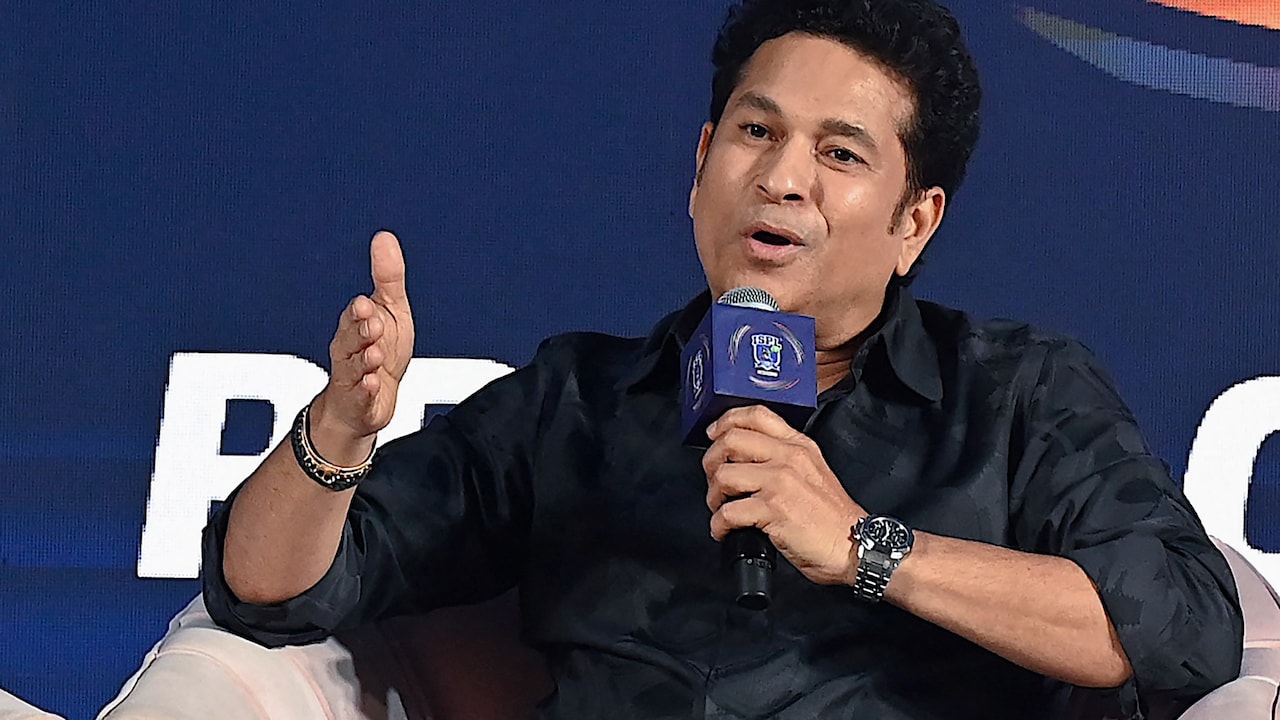
In a landmark moment for women's cricket, Sachin Tendulkar has expressed his enthusiastic support for the International Cricket Council's (ICC) newly launched post-pregnancy return-to-play guidelines. This initiative is seen as a significant leap forward for the future of women's cricket, allowing female athletes to balance their professional careers with motherhood. Tendulkar, whose influence in the cricketing world resonates deeply, believes that these guidelines will pave the way for greater participation and visibility of women in the sport.
These guidelines, aimed at providing a structured framework for women cricketers returning to the game after childbirth, mark a crucial step in promoting inclusivity. By facilitating a smoother transition back to competitive cricket, the ICC is not only honoring female players but also acknowledging the challenges they face. Tendulkar's endorsement of these guidelines adds weight to their significance, as his voice carries immense authority in the cricket community.
A Historic Shift in Attitudes
The ICC's announcement comes at a time when the conversation surrounding women's sports is gaining momentum across the globe. With female athletes increasingly demanding recognition and equal opportunities, the ICC's decision is seen as a response to the growing calls for change. Ian McLean, an experienced cricketer from Scotland, has also voiced his support for women's cricket, stating that initiatives like these are instrumental in driving the game forward.
This shift in attitudes is not only beneficial for established players returning to the sport but also inspires younger generations. The guidelines may encourage aspiring female cricketers to pursue their dreams without fearing a career interruption due to motherhood.

Impact on Women's Cricket
The potential impact of these guidelines on women's cricket cannot be overstated. By enabling athletes to manage the dual responsibilities of being a mother and a professional cricketer, the ICC is setting a precedent that could resonate in other sports as well. As Tendulkar aptly put it, this initiative is a "massive boost," reflecting a broader understanding of the challenges women face in athletics.
The guidelines also signify a cultural shift within the cricketing world, highlighting the need for policy changes that accommodate the unique circumstances of female athletes. The support from high-profile figures like Tendulkar is essential in catalyzing a more inclusive atmosphere in cricket.
The Role of National Boards
National cricket boards are now tasked with implementing these guidelines and ensuring they are effectively communicated to players. Scotland's recent performance in the T20 World Cup, where they narrowly missed out on several victories, underscores the need for a robust structure supporting women's cricket at all levels. With notable players like McLean advocating for the sport, there is hope that such initiatives will garner further investment and attention.
The ICC's move also aligns with the increasing media coverage of women's cricket. With the growing viewership and sponsorship deals, the sport is on an upward trajectory. T20 leagues across various countries are beginning to attract larger audiences, and the push for equality and representation will only amplify this growth.
The Response from Players
Female cricketers themselves have welcomed the guidelines with optimism. Many have taken to social media to express their gratitude towards the ICC for recognizing their needs. The emotional weight of balancing a professional career with motherhood has been a barrier for many, and these new policies offer hope for a more balanced future.
Some players have already shared their experiences of returning to cricket after having children, and their stories resonate with many who aspire to maintain their careers. The community aspect of cricket is vital, and the support from peers can ease the transition back into the sport.
Looking Ahead
As the cricketing world anticipates the outcomes of these guidelines, the focus will be on implementation and monitoring. It is imperative for national boards to adopt these policies and create an environment where female cricketers feel supported and valued. The ICC can take further steps by organizing workshops and training sessions that focus on the unique challenges faced by returning mothers.
Moreover, creating a platform where mothers can share their experiences will foster a sense of community within women's cricket. This could lead to mentorship programs, allowing seasoned players to guide those navigating their return after childbirth.
Conclusion
In closing, Sachin Tendulkar's endorsement of the ICC's post-pregnancy guidelines marks a pivotal moment for women's cricket. The acknowledgment of women's roles and responsibilities off the field reflects a broader societal shift towards gender equality in sports. As we move forward, it is essential that the cricketing community embraces these changes, ensuring that women’s cricket continues to evolve and thrive, both on and off the pitch. The future looks promising, and with figures like Tendulkar advocating for change, the landscape of women's cricket is set for transformation.
For more insights on the growth of women's cricket, check out our coverage on Kranti Gaud: The Rising Star Transforming Women's Cricket and other key developments within the IPL.