The Evolving Dynamics of IPL and Global Cricket
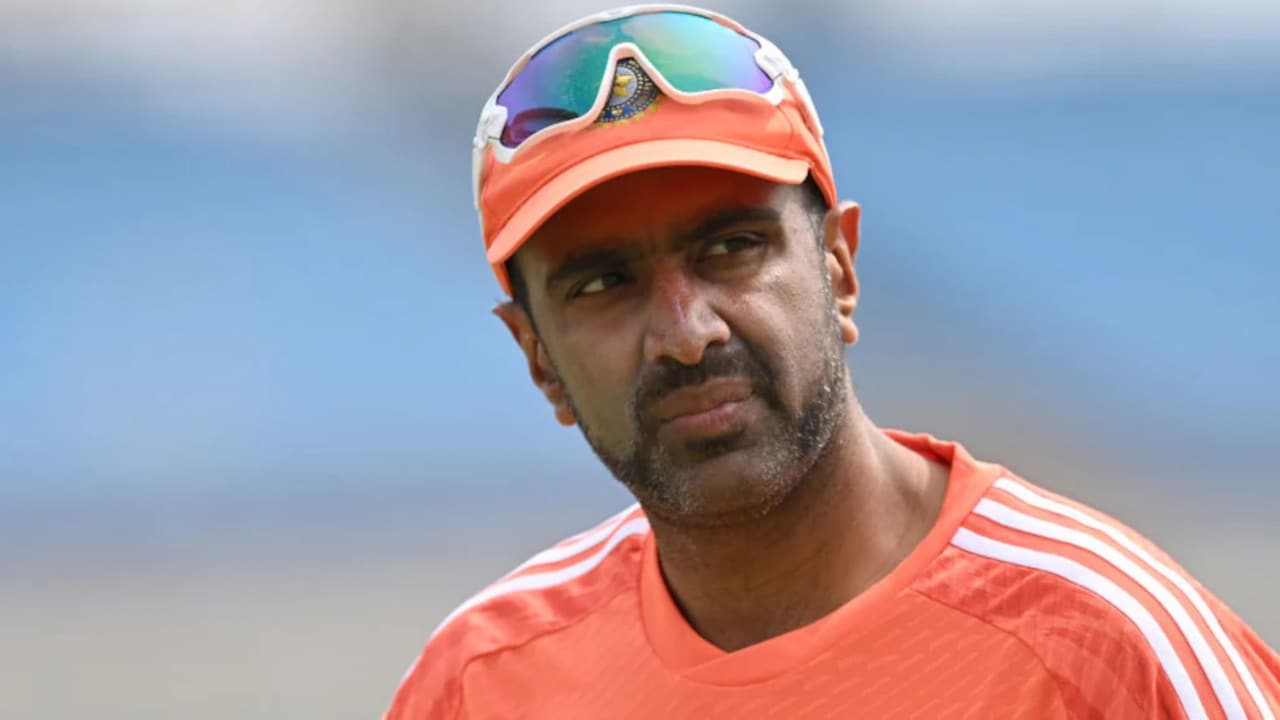
Cricket is on the brink of a transformative era, as highlighted by Ravichandran Ashwin's recent comments regarding the European T20 Premier League (ETPL). The league, which recently concluded its inaugural Player Draft, has seen 36 players from Ireland, the Netherlands, and Scotland join six franchises. Ashwin believes that leagues like the ETPL will play a crucial role in making cricket truly global. He emphasizes that the inclusion of diverse talents can elevate the sport's appeal and reach, potentially reshaping the landscape of international cricket.
As the IPL enters its next auction cycle, the focus on player movement intensifies. In this context, Hardik Pandya's situation has stirred significant interest. Reports suggest that the Mumbai Indians are contemplating trading the all-rounder, a move that could send shockwaves through the league. Pandya, once the cornerstone of the franchise, has been a pivotal figure on and off the field, drawing attention not only for his performances but also for his charisma and leadership potential.

Ashwin's Vision for Global Cricket
Ravichandran Ashwin has always been a vocal advocate for the global expansion of cricket. His insights into the ETPL's potential are particularly noteworthy. He envisions a future where cricket transcends traditional borders, allowing players from various nations to showcase their skills in competitive leagues. This is not merely about the game itself but also about fostering a sense of unity and diversity through sport.
According to Ashwin, leagues such as the ETPL can serve as incubators for talent. With the IPL setting the standard for franchise cricket, the ETPL could harness this momentum, attracting young cricketers from Europe and beyond. The hope is that as these players gain exposure and experience, they will ultimately contribute to the national teams, enhancing the competitive strength of European cricket.
Yet, the challenge remains: how to integrate these players into the existing frameworks of established leagues like the IPL. The growing demand for international players can sometimes overshadow domestic talent. This brings us to the critical juncture of player trades and acquisitions that the IPL is known for.
The Hardik Pandya Situation
Hardik Pandya's potential trade has ignited discussions among fans and analysts alike. Mumbai Indians reportedly have their eyes set on reshaping their roster, and moving Pandya could be a part of that strategy. While the franchise has not confirmed any trade talks, speculation persists. Pandya’s explosive batting, combined with his ability to contribute as a bowler, makes him a valuable asset.
However, the situation is complex. Reports indicate that only a couple of teams are unwilling to take on Pandya, suggesting that his reputation as a player remains strong despite concerns about his fitness and form. In the high-stakes environment of the IPL, these considerations are paramount. Teams must weigh the benefits of acquiring a player of Pandya’s caliber against the potential risks involved.
The Impact of Player Movements
In a league as competitive as the IPL, player movements can have far-reaching implications. The Mumbai Indians have long been regarded as a powerhouse, but recent performances have called for a reevaluation of their approach. The addition of fresh talent or the strategic trading of established players like Pandya could be crucial for their ambitions in the upcoming season.
This period of speculation also places immense pressure on franchises to make decisions that will not only impact their current squad but also their long-term prospects. The IPL auction is approaching, and with it comes the opportunity for teams to rethink their strategies, targeting players who can fill specific roles and bolster their chances of success.
The Growing Influence of T20 Leagues
While the IPL remains the crown jewel of T20 cricket, the rise of other leagues like the ETPL signifies a shift in the global cricket narrative. The proliferation of T20 leagues creates opportunities for players to develop in different environments, gaining experience that may be pivotal in international formats.
Cricket purists may debate the merits of T20 leagues versus traditional formats, but the reality is clear: T20 cricket is here to stay. As players hone their skills in these fast-paced environments, the potential for innovation in techniques and strategies increases. This can only benefit the sport as a whole, providing a diverse pool of talent for national selectors.
The Road Ahead
As fans anticipate the upcoming IPL season, the narratives surrounding player movements will continue to dominate discussions. The intrigue of potential trades, like that of Hardik Pandya, keeps the excitement alive. As Ashwin suggests, the future of cricket is poised for significant change, and the roles of leagues like the IPL and ETPL will be central to that evolution.
The IPL has set the precedent for what a successful T20 league can achieve. By fostering talent and embracing diversity, it has carved out a unique identity. As the auction approaches, all eyes will be on how franchises navigate the complexities of player acquisitions and trades, shaping the teams that will vie for glory.
In conclusion, whether it is Ashwin’s vision for global cricket or the implications of Pandya’s uncertain future, the upcoming months will be pivotal for the IPL and its stakeholders. As the lines between domestic and international cricket continue to blur, the dynamics of the game will evolve, and so will the stories that accompany it.
For more insights on players and leagues shaping the future of cricket, check out our coverage on Vaibhav Sooryavanshi and Jai Moondra's impact in the ETPL.