Introduction
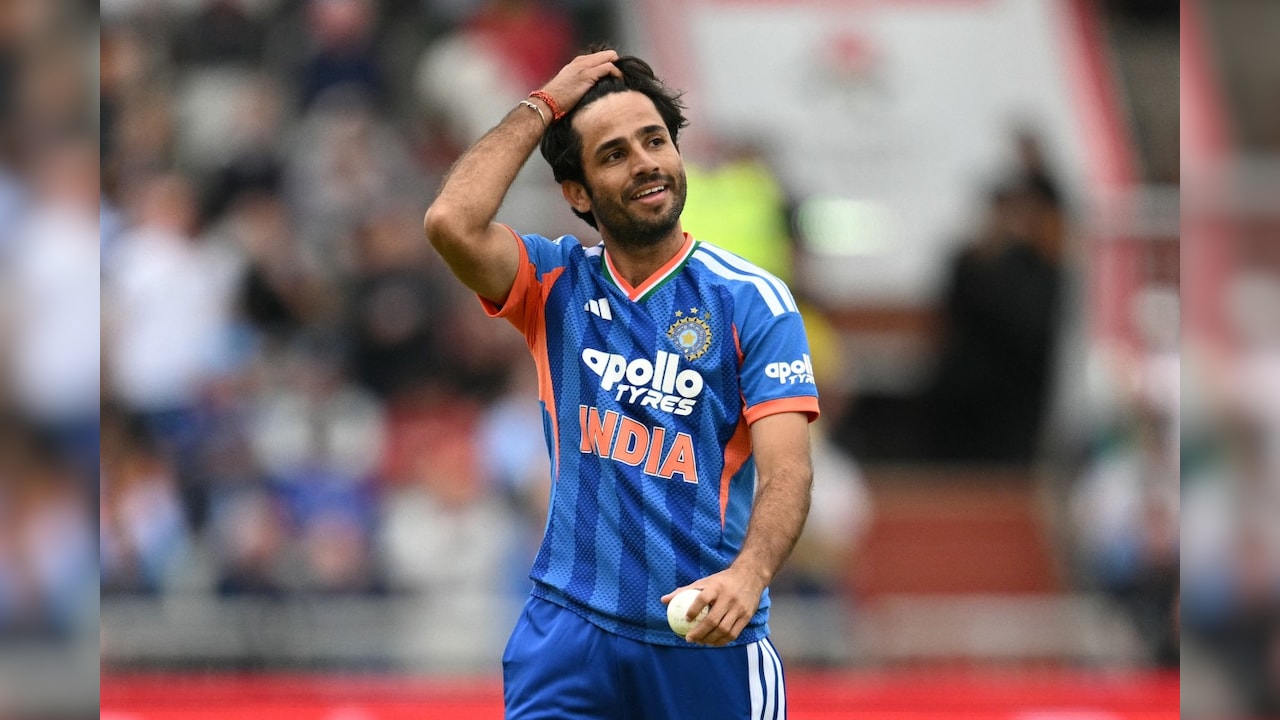
India's recent loss to England in the second T20I has raised serious questions about the team's adaptability and performance under pressure. The match, held at Edgbaston, not only ended in defeat but also saw India setting an unwanted record through their young spinner, Ravi Bishnoi. The 22-year-old became the first player in T20I history to bowl three no-balls in a single match, a statistic that reflects deeper issues within the team.
The Unwanted Record
Bishnoi's no-balls played a pivotal role in shifting the momentum towards England. These oversteps, especially in the T20 format, can be crippling, allowing the opposition free runs at crucial moments. This incident underscores the importance of discipline, especially from bowlers who are expected to control the game in the death overs. Bishnoi's struggles not only highlight his individual challenges but also indicate a lack of rigour in India's bowling plans. The young spinner's potential is unquestionable, but his execution in high-pressure situations must improve significantly if he is to anchor his place in the squad.

Ishan Kishan's Honest Reflection
Following the match, wicketkeeper-batter Ishan Kishan provided a candid assessment of India's performance. He emphasized the need for the team to address their middle-overs slowdown, which has become a recurring theme in their recent outings. Kishan noted, "We need to find ways to score runs in the middle overs, especially when the initial momentum starts to fade. Adaptability is crucial in English conditions, and we must work on it." His insights resonate with fans and analysts alike, as India has often struggled to maintain a quick scoring rate after the powerplay.
The Impact of Conditions
Playing in England presents a unique set of challenges. The conditions often favour seam and swing bowlers, making it essential for batters to adjust their game plan accordingly. India's batsmen appeared caught between aggression and caution during the middle overs. A lack of intent resulted in an inability to rotate the strike, ultimately leading to a halt in scoring. This stagnation not only puts pressure on the lower-order batsmen but also allows the bowling side to regroup and attack.
The Road Ahead
As the team gears up for the upcoming matches, adjustments are necessary. It’s crucial for the management to devise strategies that allow players, especially those in the middle order, to express themselves without the fear of failing. The return of experienced players could provide the necessary stability and guidance for the younger brigade.
The upcoming match against England presents an opportunity for redemption. Players must learn quickly from their mistakes and approach the game with a renewed sense of purpose and clarity. Further, adapting training to replicate the conditions they will face can better prepare the team for the challenges ahead. For an in-depth analysis of how teams can adapt to different conditions, see our previous article on India Prevails Despite Fielding Woes Against Bangladesh.
Smriti Mandhana's Recognition
On a brighter note, outside the men’s game, Smriti Mandhana has been nominated for the Player of the Tournament award at the ICC Women’s T20 World Cup 2026, despite India's disappointing campaign. Mandhana’s consistent performances throughout the tournament showcased her talent and resilience, providing a glimmer of hope for Indian cricket in a challenging year. Her nomination is well-deserved and speaks volumes about her ability to perform under pressure.
The Need for Consistency
India's recent performances, both in the men’s and women’s formats, underline a pressing need for consistency. The no-ball record by Bishnoi and the middle-overs struggles encapsulate the challenges faced by the Indian side. While individual brilliance can win matches, it is the collective effort and planning that will determine success in the long run.
Kishan's call for adaptability must resonate throughout the squad. As the team prepares for its next encounter, it is imperative that they reflect on their shortcomings and focus on the fundamentals. Training sessions should prioritize discipline in bowling and fostering a mentality that encourages risk-taking, particularly in the middle overs.
Conclusion
The loss against England serves as a wake-up call for India. With the stakes high in the T20 format, every match counts. The players, coaching staff, and management must come together to foster a culture of accountability and improvement. If they can address these critical areas, India can turn their fortunes around and return stronger. For more insights into the IPL season, check out how IPL 2026 Breaks Viewership Records with 1.2 Billion Reach.