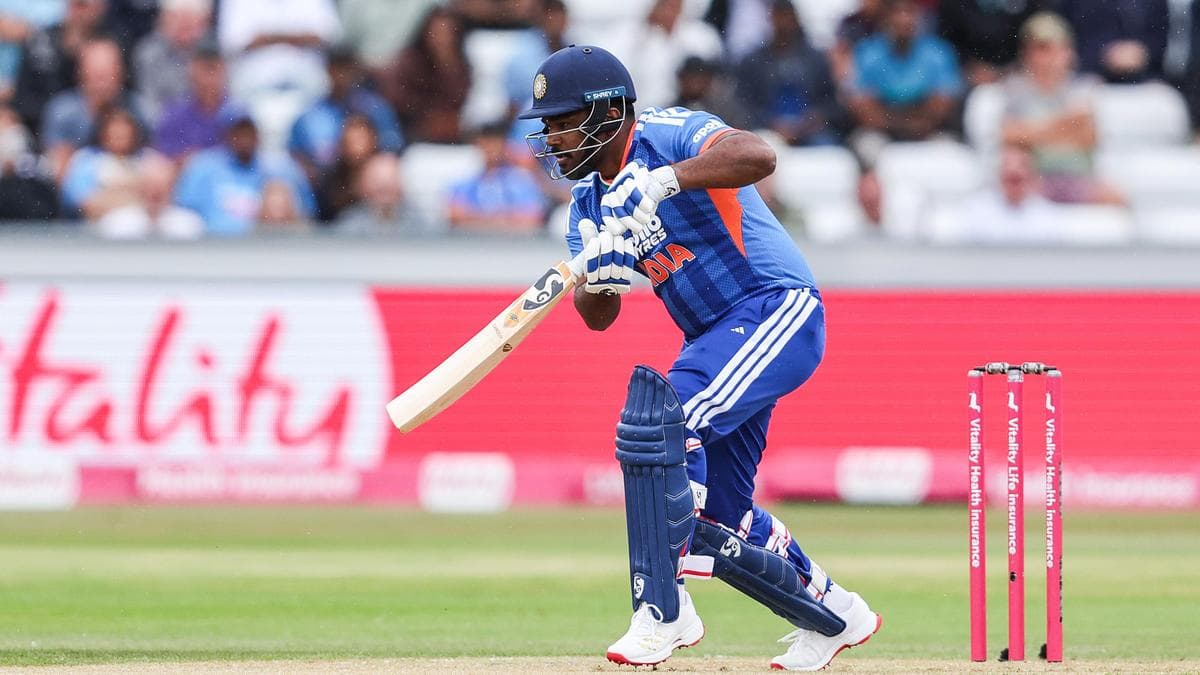
A New Era in Indian Cricket Selection
In a surprising twist, the Indian cricket selectors have opted to leave out Sanju Samson from the upcoming T20 series against Zimbabwe. This decision has raised eyebrows, particularly considering the potential for new talent to step into the limelight. With maiden call-ups for fast bowlers Mayank Yadav and Ashok Sharma, the selectors are clearly signaling a shift towards youth. As cricket fans gear up for the series, the question lingers: is this the right moment to experiment?
India’s cricketing landscape has been evolving rapidly. The absence of Samson, a seasoned player and fan favorite, emphasizes the selectors’ commitment to building a future-focused team. According to sources close to the selection committee, the decision to test Mayank and Ashok against Zimbabwe presents a unique opportunity. If the selectors do not give these young bowlers a chance now, when will they? This sentiment reflects the broader strategy of integrating fresh talent into the national side, especially as India prepares for major tournaments ahead.
The recent performances of both Yadav and Sharma have not gone unnoticed. Yadav, with his express pace and ability to swing the ball, has been turning heads in domestic cricket. Meanwhile, Sharma has been equally impressive, showcasing his skills with an arsenal of variations that can unsettle even the best batsmen. The Zimbabwe series could serve as a litmus test for these emerging stars, allowing them to gain valuable experience on the international stage.

The Need for Fast Bowlers
Fast bowling in T20 cricket has become a pivotal aspect of a team's strategy. The ability to bowl yorkers at will, coupled with an understanding of death overs, can make or break a match. Coaches and selectors alike recognize that the T20 format demands bowlers who can adapt to various conditions and rhythms of play. With the inclusion of young talents like Yadav and Sharma, India might just be on the brink of discovering their next bowling spearheads.
The selectors’ gamble on fresh faces like Yadav and Sharma highlights a critical shift in Indian cricket—a willingness to prioritize potential over past performance. This could reinvigorate the team, providing a blend of youthful exuberance and raw talent that can challenge established norms. With the backing of experienced players, these newcomers might just flourish and turn the tide for India in upcoming T20 events.
Historical Context and Future Implications
Looking back at India's past T20 outings, there have been instances where young players have risen to the occasion. The likes of Hardik Pandya and Jasprit Bumrah have proven that with the right guidance and pressure, emerging players can shine brightly. As the team transitions into a new era, it is imperative that the selectors maintain this momentum by consistently nurturing young talent. For more on India's cricketing evolution, check out our article on Babar Azam's Focus on Discipline Ignites Pakistan's Test Revival.
The T20 series against Zimbabwe will be a crucial testing ground. Not only will it allow Yadav and Sharma to showcase their skills, but it will also provide the selectors with vital insights into their readiness for high-stakes games. The feedback from this series could influence future selections, shaping the path for many young cricketers aiming for national representation.
Fan Reactions and Expectations
Cricket enthusiasts have mixed feelings about the omission of Samson. While many believe in the need for experimentation, others feel that a player of Samson's caliber should not be sidelined, especially in a series that could offer competitive yet manageable opposition. The fans want to see a balance between nurturing new talent and honoring proven performers. As the series approaches, social media buzz reflects a longing for both excitement and stability within the squad.
The current squad's blend of youth and experience could yet prove to be a masterstroke. Experienced players can guide and mentor the newcomers, helping them settle into international cricket's rigors. It will be interesting to see how this dynamic plays out on the field. Should Yadav and Sharma rise to the occasion, they may soon find themselves regular features in the T20 setup.
Challenges Ahead
Despite the optimism, it is important to remember that international cricket comes with its own set of challenges. Zimbabwe, while seen as an easier opponent, has produced surprising results in the past. Their players will be looking to capitalize on any nerves from the debutants, making it crucial for Yadav and Sharma to maintain composure. This series will test their mental fortitude just as much as their physical skills.
In the broader perspective of Indian cricket, this series could serve as a blueprint for future selections. A successful outing for the young bowlers against Zimbabwe could encourage selectors to adopt a more fearless approach when it comes to fielding emerging talent. For additional insights into the growing focus on youth in cricket, our piece on Women's Cricket: A Golden Era Fueled by Passion and Power provides an interesting parallel.
As cricket fans, we must embrace the unpredictability of team selections and the excitement of watching new talent emerge. The Zimbabwe series promises to be a platform for innovation and growth within Indian cricket. With the right mindset, the future looks bright for the next generation of cricketers.
Conclusion
Ultimately, the selection of Mayank Yadav and Ashok Sharma could signal a transformative phase for Indian cricket. The potential for these young bowlers to make a mark is immense. As they step onto the field, all eyes will be on them—witnessing the birth of potential heroes in the making. The upcoming T20 series against Zimbabwe is not just a set of matches; it is a pivotal moment in shaping the future of Indian cricket.
Tags
"youth cricket, T20 series, Indian selectors, fast bowlers, cricket strategy"
