Introduction
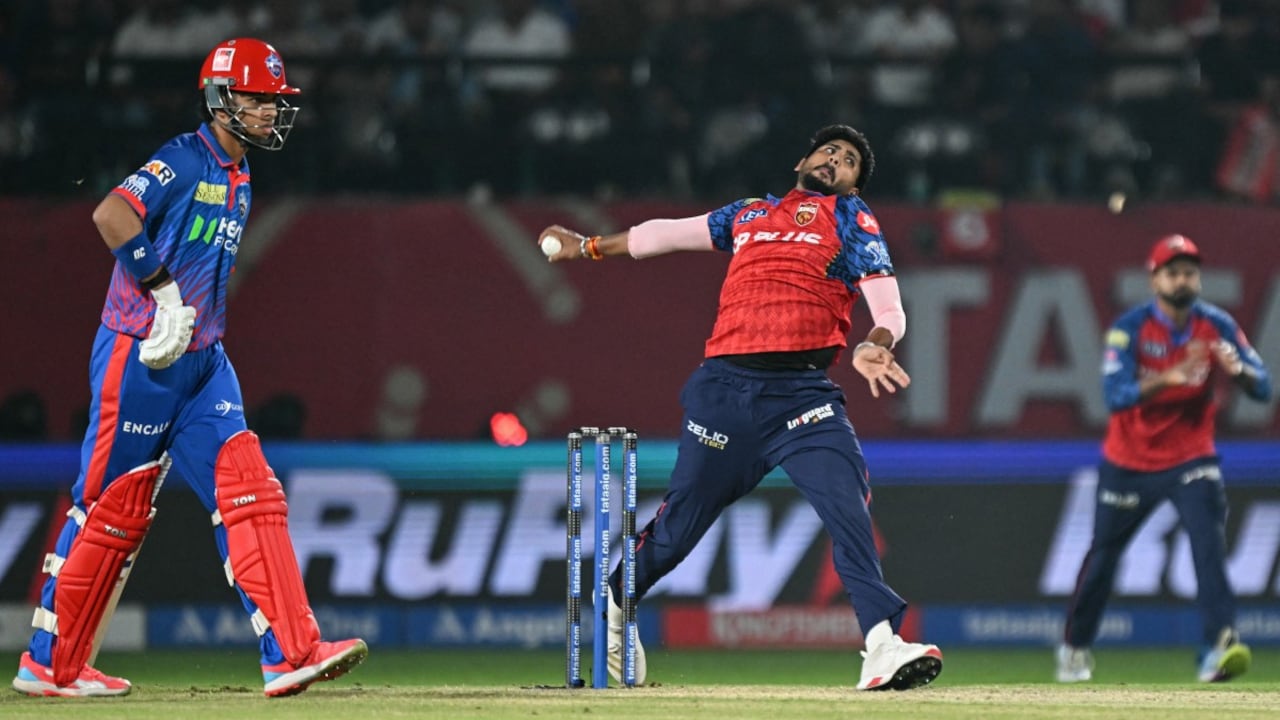
The Indian cricket team is abuzz with discussions as they gear up for the T20I series against Zimbabwe. Among the most talked-about topics is the shocking inclusion of 27-year-old fast bowler Yash Thakur, a decision that has stirred considerable debate, especially among former players. Veteran batter Hanuma Vihari has been vocal about his concerns, labeling the selection as a surprise. This move underscores the complexities of team selection in a format where performance in the IPL often dictates national choices.
Yash Thakur's Selection Under Scrutiny
The decision to bring Yash Thakur into the fold for the Zimbabwe series has not gone unnoticed. Vihari, in a recent statement, expressed disbelief at the selection, emphasizing that Thakur's IPL performances have not warranted such a step up. The IPL, known for its high-pressure environment and showcasing talented young players, often becomes a double-edged sword. While it provides a platform for emerging talents, it also poses the risk of rushing players who may not yet be ready for the international stage. Thakur's inclusion raises questions about the criteria used for selection and the potential for oversights in a space that is supposed to nurture talent.

The T20I Batting Rankings: A Stable Duo
In contrast to the selection dilemmas in bowling, the batting department appears to be in good hands. Ishan Kishan and Abhishek Sharma have retained the top two spots in the ICC Men's T20I Batting Rankings. Kishan, known for his explosive batting and ability to anchor innings, has made a strong case for his position through consistently outstanding performances. Similarly, Sharma's blend of power hitting and strategic acumen has earned him accolades, proving that hard work in the IPL pays off when national duty calls. Their rise to prominence is a testament to the quality of cricket being played in the IPL, a breeding ground for future stars.
Jofra Archer's Critique of IPL Conditions
While the spotlight often shines on Indian players, insights from overseas stars provide a different perspective. England's Jofra Archer recently took a shot at IPL conditions, suggesting that they might not prepare players adequately for international challenges. He described bowling in English conditions as a return to "normal" after the "easy wickets and smaller boundaries" experienced in India. This criticism highlights a broader issue within the IPL—the discrepancy between franchise cricket and international play. Archer's comments suggest that while the IPL is a fantastic platform for players to showcase their skills, it might not always equip them for the rigors of international cricket. This disparity could explain some of the struggles experienced by Indian batsmen in crucial matches, especially when they transition from the IPL to international formats.
The IPL's Role in Shaping Future Talent
Despite the controversies, the IPL remains a pivotal influence in shaping the future of Indian cricket. The league's high-octane environment pushes players to adapt quickly, honing their skills under pressure. It is essential to remember that the IPL is not merely a tournament; it is a crucible where young talent can learn from seasoned professionals. The rapid pace of matches, combined with the strategies employed by various franchises, offers critical learning opportunities. Players like Kishan and Sharma exemplify how the experience gained in the IPL can translate into success on the international stage.
A Call for Strategic Evaluation
As selectors and team management sift through the performances of players, it is crucial that they approach the selection process with a strategic mindset. Relying heavily on IPL performance may not always yield the best results for the national side. A more rounded evaluation that takes into account performance consistency, adaptability, and mental toughness is essential. The case of Thakur serves as a reminder of the need for a balanced approach—one that weighs immediate performance against long-term potential.
Conclusion
In the lead-up to the T20I series against Zimbabwe, the Indian cricket team stands at a crossroads. With debates around selections and player performances heating up, it is clear that the IPL will continue to play a significant role in shaping the landscape of Indian cricket. As the series unfolds, all eyes will be on how these selections pan out on the field. Will Thakur rise to the occasion and silence his critics, or will the concerns voiced by Vihari prove to be valid? Similarly, can Kishan and Sharma maintain their stellar form, or will Archer's critique of IPL conditions come back to haunt them?
The answers to these questions will not only impact the outcome of the series against Zimbabwe but will also resonate throughout the rest of the cricketing calendar. With the World Cup looming on the horizon, performances in this series could serve as a critical barometer for selection ahead of the marquee event.
For more insights on players' journeys and their impact on the IPL, read our coverage on Greaves' 180 Sparks Dominance in IPL 2026 Showdown and Sourav Ganguly's Biopic Unveiled: A Tribute to a Cricketing Legend.