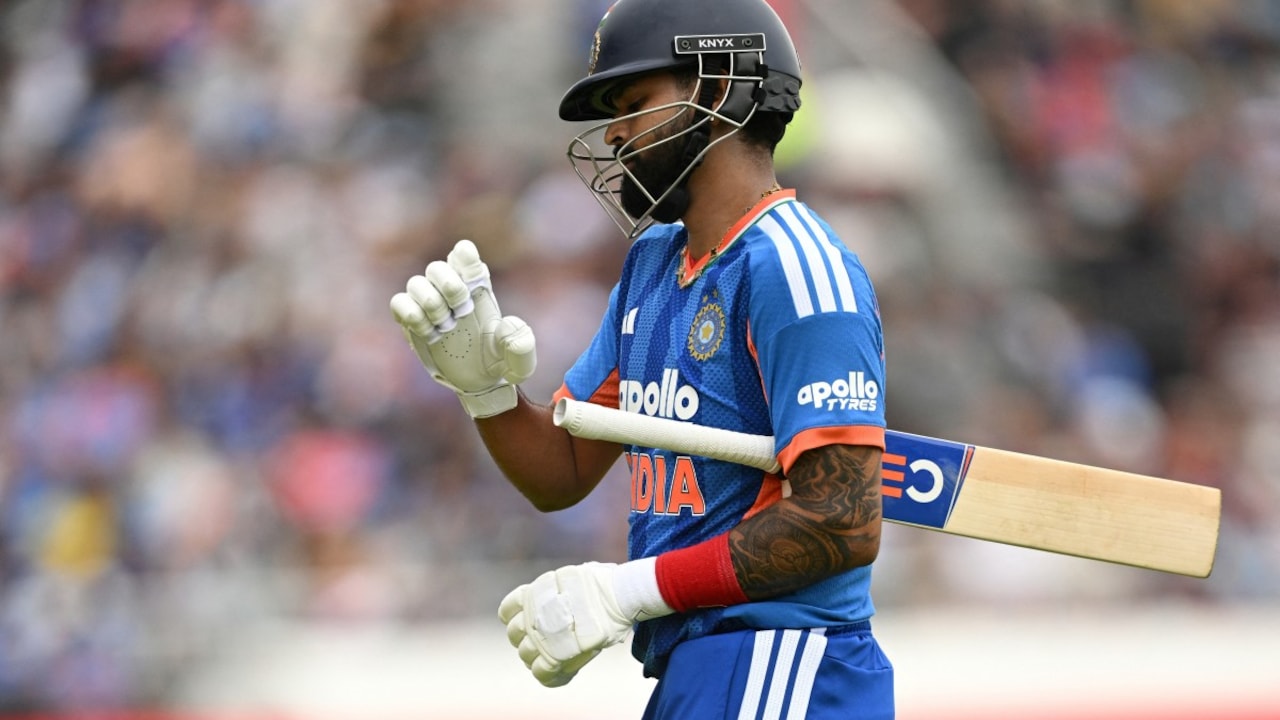
The Bitter Pill of Defeat
The mood in the Indian cricket camp is anything but celebratory. Following a dismal 125-run defeat in the third T20 International against England, captain Shreyas Iyer did not hold back his feelings, labelling the performance as 'atrocious.' With his team already on the back foot, the subsequent nine-wicket loss in the fourth T20 International in Bristol sealed India's fate in the five-match series. This series marks a significant disappointment for a side that had aspirations of showcasing their prowess on the international stage.
Iyer's Frustration on Display
Iyer's fury was palpable after the third T20 as he articulated his disappointment candidly. “This performance is not acceptable. We must do better,” he stated, visibly upset with his team's showing. This sentiment resonates within the Indian cricket community, particularly after their struggles in the T20 format have been laid bare. The captain's frustration speaks to the high standards set for Indian cricket, where anything less than victory is scrutinized.
In the aftermath of the fourth T20, Iyer’s leadership faced further examination. Dinesh Karthik, who was part of the commentary team, described Iyer's post-match statements as 'odd.' Karthik suggested that the team should have been more focused on the next match rather than dwelling on the past defeats. Such comments highlight a growing debate about the mental approach in high-pressure situations.

Injuries Compound India's Woes
Adding to the task at hand, India faced a double injury blow ahead of the final matches. Key players Harshit Rana and Varun Chakaravarthy were ruled out due to hamstring injuries. This created a significant gap in the bowling attack, which was already under pressure against a strong England side. The absence of these bowlers not only weakened India's bowling options but also forced Iyer to experiment with combinations that did not yield the desired results.
The team’s struggles were evident as they failed to contain England’s batting lineup, which dominated the series. Such injuries at crucial moments can derail even the best-laid plans. This situation showcases the depth, or lack thereof, in India's T20 squad. The team will need to rethink their strategy heading into future series, particularly as they aim to build momentum for the upcoming ICC T20 World Cup.
Analyzing the Performance
In these two matches against England, India's bowling attack appeared lackluster. England capitalized on every opportunity, showcasing their batting depth. Players like Jos Buttler and Moeen Ali took full advantage of the powerplay, scoring freely and putting pressure on India's bowlers. This lack of control is alarming, especially in the death overs where India has historically boasted a strong bowling unit.
With the World Cup approaching, the question arises: How can India rectify these issues? One potential solution lies in re-evaluating player fitness and tweaking the squad to include emerging talents who can deliver under pressure. As highlighted in a recent article on the IPL's impact on Indian cricket, [Related internal historical context] the nurturing of talent is crucial for building a competitive team.
Iyer's Leadership Under Scrutiny
The pressure on Iyer is mounting. Captaining the national team is no easy feat, and the weight of expectation can be overwhelming. His ability to rally the squad and restore confidence will be put to the test in the coming matches. Critics will be watching closely to see how he adjusts his strategies and whether he can inspire a turnaround.
Additionally, the debate about his captaincy style has begun. While Iyer has often been praised for his calm demeanor, some analysts argue that a more aggressive approach may be necessary in dire situations. The balance between aggression and composure is delicate, and finding that sweet spot will be critical for India moving forward.
The Road Ahead
Looking ahead, it is essential for the Indian team to regroup and reassess. The final T20I offers a chance for redemption, albeit with the series already lost. Learning from these defeats is vital; players must analyze their performances and identify areas of improvement. The management also has a role to play in ensuring players are fit and ready to perform.
In a cricketing landscape where competitiveness is at an all-time high, India needs to adapt quickly to stay relevant. The upcoming series against Zimbabwe will provide an opportunity for fresh faces to step up, akin to how Prabhsimran Singh earned an India call-up for the Zimbabwe T20 series. This infusion of new talent could be the key to revitalizing the squad.
Conclusion: A Call for Reflection
As the dust settles on this disappointing series, it is clear that the Indian team must embark on a journey of reflection. Shreyas Iyer’s leadership will be critical in navigating this tumultuous phase. The focus must shift from immediate results to long-term development. India's cricketing future depends on the lessons learned from this series, both on and off the field. Only through resilience and a unified approach can they hope to reclaim their place among the cricketing elite.