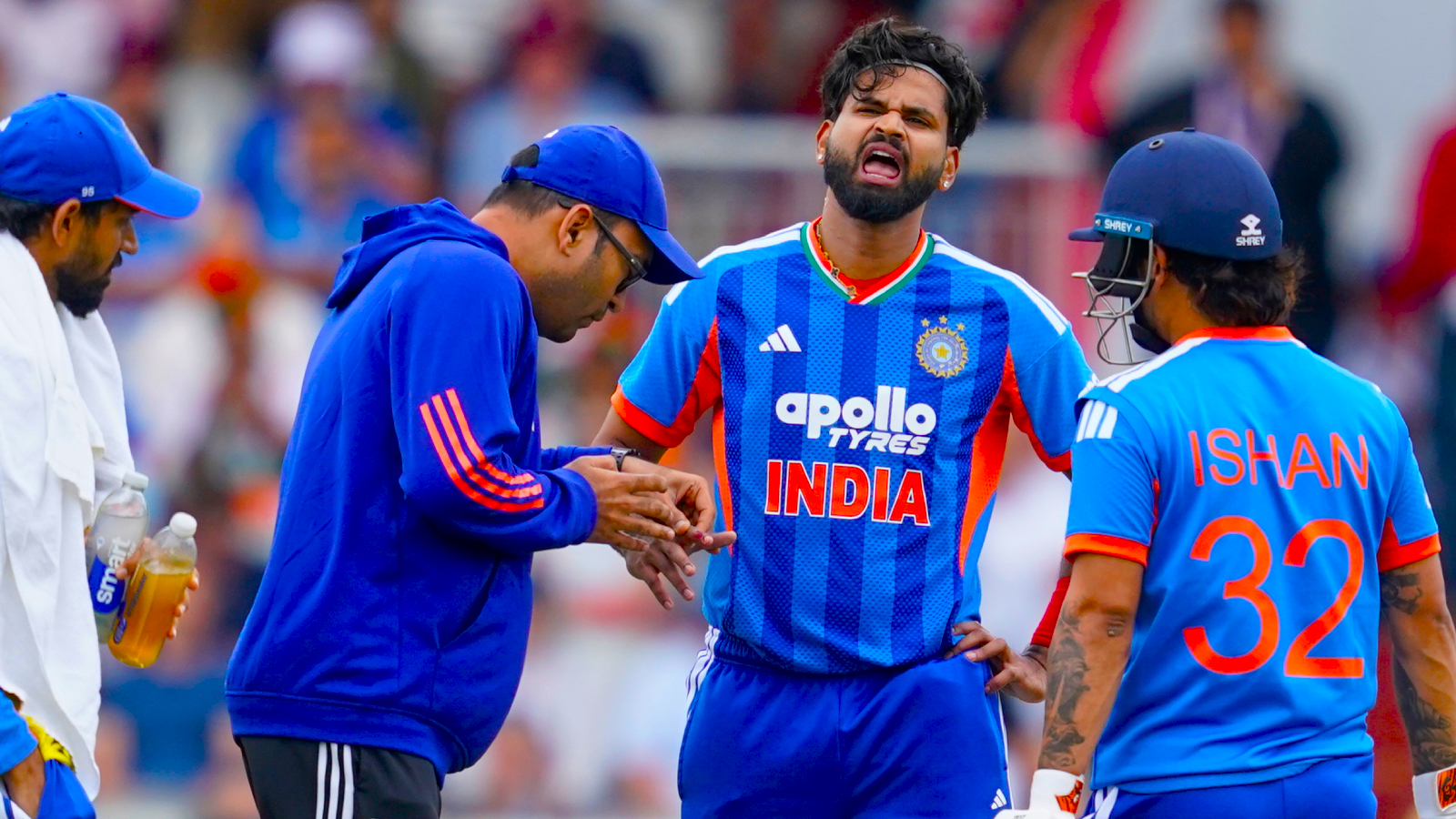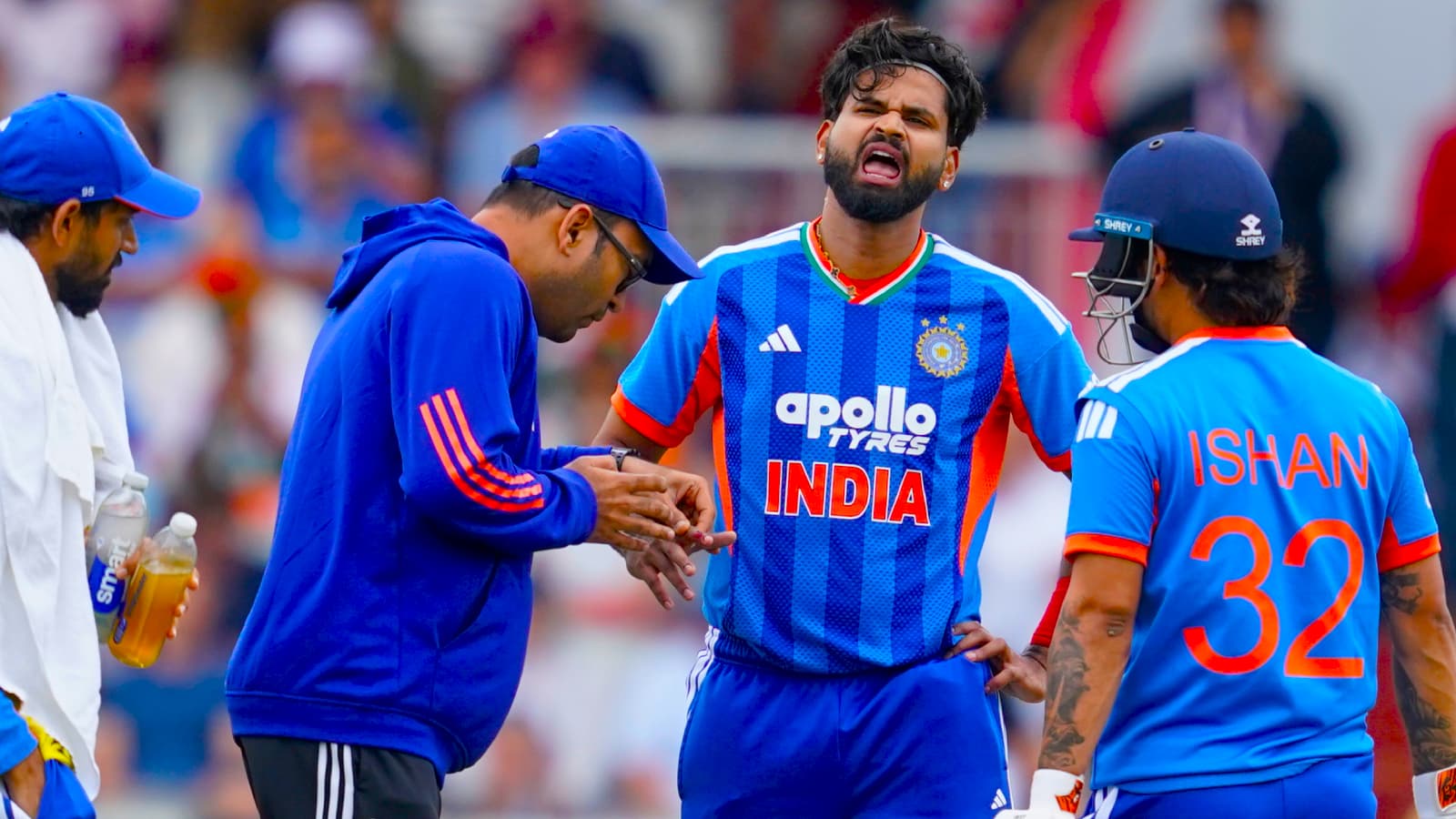
England's Decisive Victory
In a stunning conclusion to the T20I series, England overwhelmed India by 56 runs, asserting their dominance and completing a 4-0 series whitewash. This defeat not only signifies a significant shift in the power dynamics of T20 cricket but has also cost India its No 1 ranking in the format. The loss serves as a wake-up call for a side that has been a dominant force in T20 cricket for quite some time. England, buoyed by an explosive batting display and disciplined bowling, sent a clear message—India needs to recalibrate its T20 strategy.
A Match of High Stakes
The series finale took place at the iconic Eden Gardens in Kolkata, where a packed crowd witnessed England put forth a masterclass in T20 cricket. Batting first, England posted a formidable total of 183 runs, with Harry Brook once again rising to the occasion. His aggressive stroke play set the tone, as he scored a brilliant 75 runs off just 45 balls. Brook's performance highlighted his evolution into one of the most dangerous T20 batsmen, and his ability to accelerate the scoring at crucial junctures proved decisive.

India's bowlers struggled to contain the onslaught, with their plans disrupted by Brook's fearless approach. The likes of Bhuvneshwar Kumar and Deepak Chahar, who have been instrumental in India's success, found themselves on the back foot against England's aggressive batting lineup. It was a stark contrast to the earlier matches of the series, where India had shown glimpses of their prowess. However, as the series progressed, it became evident that England had adapted better to the conditions and the pressure of a challenging series.
India's Batting Woes
Chasing a target of 184 runs, India succumbed to the pressure almost immediately. The top order faltered, with captain Hardik Pandya falling early to a sharp delivery from Mark Wood. The departure of Virat Kohli, who was dismissed for a mere 12 runs, further compounded India's woes. The middle order, led by Shreyas Iyer, attempted to stabilize the innings but faced relentless pressure from the English bowlers.
Iyer's decision to anchor the innings was commendable, but with wickets tumbling at the other end, he found it challenging to maintain momentum. England's bowlers, especially Wood and Sam Curran, exploited the conditions expertly, consistently hitting the right lengths and varying their pace to keep the Indian batsmen guessing. Curran's two wickets in the death overs were particularly crucial, as they thwarted any hopes of an Indian revival.
Tactical Missteps
Following the match, questions arose regarding India's tactical approach throughout the series. The lack of a clear game plan, particularly in the batting department, was glaringly evident. Shreyas Iyer, who had been touted as a potential game-changer, seemed to be trapped in a web of uncertainty. The team's strategy appeared reactive rather than proactive, highlighting a need for a reassessment of the T20 approach moving forward. The Board of Control for Cricket in India (BCCI) has already initiated discussions on the future direction of its T20 strategy, as covered in our article on BCCI's review of T20 tactics.
The Road Ahead
This loss comes at a critical juncture for Indian cricket. With the T20 World Cup on the horizon, the team must learn from this series and address the glaring weaknesses exposed by England. The bowling attack, which has often been lauded for its depth, must find ways to be more effective in the powerplay and death overs. Additionally, the batting lineup needs to execute a more aggressive game plan, especially against pace bowling, which proved to be a major challenge during the series.
The upcoming IPL 2026 season will be a crucial platform for players to showcase their skills and make a case for their selection in the national squad for the World Cup. It's a chance for players like Iyer and Brook to shine and evolve their games. The IPL has historically been a breeding ground for T20 talent, as seen in our coverage of Kranti Gaud's historic five-wicket haul at Lord's.
A Wake-Up Call
The defeat serves as a wake-up call for the Indian side, a reminder that consistency in T20 cricket is vital, especially against a resurgent English team. The loss of the No 1 ranking may sting, but it can also be an impetus for change. In the coming weeks, the team management will need to focus on building a more aggressive mindset and solidifying their strategies.
As the dust settles on this disappointing series, the Indian team must take heart from the lessons learned and strive to reclaim their position at the top of the T20 hierarchy. The IPL 2026 season could provide the perfect stage for redemption, as players gear up for a fierce competition that could help shape the future of Indian cricket in the shortest format.
In conclusion, while the series loss is a setback, it is not insurmountable. With the right adjustments, India can emerge stronger, ready to face the challenges ahead and reestablish themselves as a dominant force in T20 cricket. Fans will be eagerly awaiting how the players respond, knowing the journey back to the top starts now.
For more insights into India's cricketing strategy and player performances, check out our articles on Shreyas Iyer's bold decisions and Harry Brook's explosive knock against India.