ICC's Game-Changing Announcement
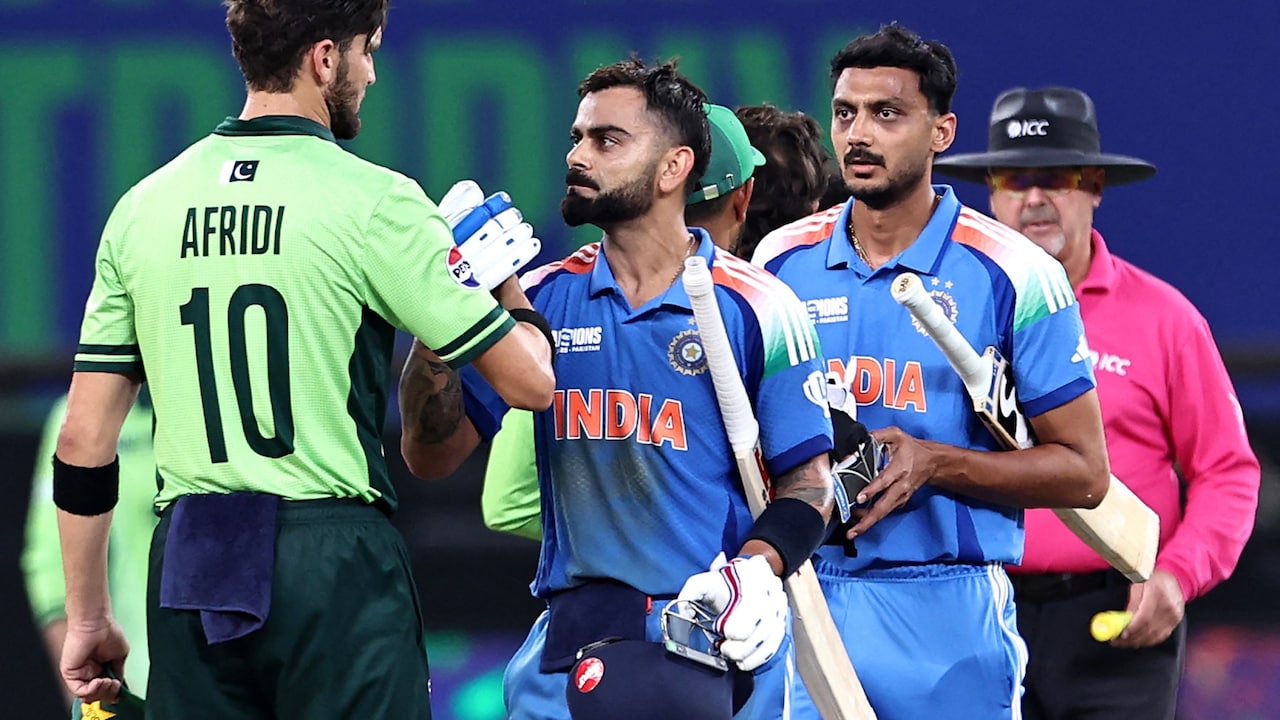
The cricketing world was set alight this week with the ICC's announcement of a revamped format for the 2027 ODI World Cup. This change, which allows for a maximum of three matches between India and Pakistan, has undoubtedly reignited excitement among fans and players alike. The historical rivalry between these two cricketing giants has always captured the imagination, and this new format promises to enhance that spectacle. With the potential for more high-stakes encounters, the cricketing fraternity is abuzz with anticipation.
As the cricketing calendar looks ahead to 2027, fans can expect a series of matches that could define the tournament. Imagine a scenario where India and Pakistan meet not just once, but potentially three times, each game echoing with the fervor of their storied past. Such a prospect is thrilling, given the electric atmosphere that accompanies every India-Pakistan clash.

The Format Explained
The ICC has outlined a structure that emphasizes competitive balance while also catering to fan engagement. The new format allows for a round-robin stage followed by knockout rounds. Each team is expected to play a set number of matches, with the top teams advancing to the latter stages. In this configuration, India and Pakistan could face each other multiple times, depending on their standings and performance in the group stages. This could create a compelling narrative that builds throughout the tournament.
The cricketing community has reacted positively to this development, recognizing the potential for thrilling cricket. Engagement metrics suggest that encounters between these two nations consistently draw in millions of viewers, both on television and through digital platforms. As the ICC aims to generate heightened interest in the game, this format seems a strategic move to tap into the existing passion for these clashes.
R Ashwin's Call to Action
In the lead-up to the 2027 World Cup, Indian spinner R Ashwin has made headlines with his appeal for more support towards fellow cricketer Kuldeep Yadav. Ashwin emphasized the need for Yadav to gain more opportunities, especially considering the importance of spin in subcontinental conditions. He stated, "Kuldeep should get more backing from the selectors and team management. His skill set is crucial for us moving forward." This call to action highlights the critical role that player development will play as India prepares for a potentially tumultuous World Cup.
The importance of having a strong spin attack in limited-overs cricket cannot be overstated. History shows that spinners often hold the key during the middle overs, choking runs while also taking crucial wickets. With Ashwin's experience and Yadav's flair, India could form a formidable duo that poses a significant threat to opposition batsmen, particularly in the hot and humid conditions expected in 2027.
Moises Henriques Calls It Quits
In other news, Australian cricketer Moises Henriques has announced his retirement from domestic cricket, marking the end of an era for one of the most capped players in Big Bash League (BBL) history. Henriques has been a pivotal figure in Australian cricket and his departure leaves a notable gap in the domestic landscape. As he sets his sights on representing Portugal, the cricketing world reflects on his contributions, both at home and abroad.
Henriques' journey serves as a reminder of the ever-changing nature of cricket. Players come and go, but their legacies endure. As he transitions into a new chapter, his experience will undoubtedly benefit the Portuguese team, which looks to make strides on the international stage.
Future Implications for India-Pakistan Fixtures
The implications of this ICC rule change extend far beyond just the rivalry. The potential for multiple India-Pakistan matches could alter the strategies of both teams. Coaches and selectors will need to consider the physical and mental toll of multiple high-pressure games. Managing player workloads will be crucial to ensure peak performance during the World Cup.
Additionally, the financial implications are significant. Higher viewership translates not only to increased revenue through broadcasting rights but also boosts sponsorship opportunities. Brands will be eager to align themselves with such high-profile matches, increasing the stakes for the ICC and the participating boards.
Conclusion: A New Era Beckons
As the cricketing world prepares for the unfolding drama of the 2027 ODI World Cup, the promise of more India-Pakistan encounters adds a layer of excitement. The historical significance of these fixtures cannot be underestimated, as they have the power to unite and divide fans in equal measure. With Ashwin’s call for support towards key players, India seems poised to make a strong showing. Meanwhile, Henriques' retirement serves as a reminder of the game's transient nature. The stage is set for a thrilling tournament that could redefine cricketing rivalries.
In conclusion, the ICC's rule change may well be the catalyst for a new chapter in World Cup history. As teams prepare and strategies evolve, fans can only hope for a spectacle that lives up to the legacy of past encounters. Let the countdown to 2027 begin.