Introduction
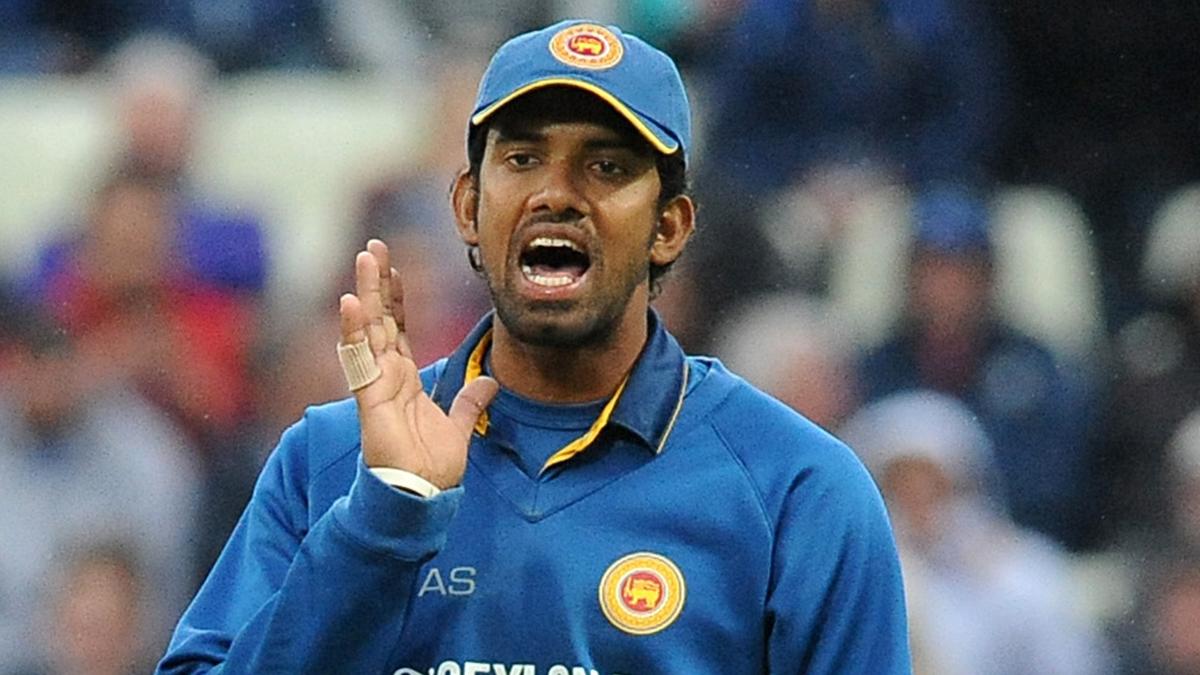
The integrity of cricket is under scrutiny once again as former Sri Lankan cricketer Sachithra Senanayake faces serious allegations of match-fixing. According to local media reports, Senanayake allegedly attempted to influence Tharindu Ratnayake, a fellow national player who was representing Colombo Kings at the time. This revelation sends shockwaves through the cricket community, as match-fixing scandals have plagued the sport for decades.
Background on Sachithra Senanayake
Senanayake, who enjoyed a promising international career with Sri Lanka, is best known for his ability to spin the ball and his deceptive bowling style. He made his mark in the limited-overs format, playing a key role in the team's success during his tenure. However, his recent indictment now casts a long shadow over his legacy, raising questions about the ethical standards within the sport.
The Sri Lankan cricket board has been plagued by corruption scandals in the past, and Senanayake's case has reignited discussions surrounding the effectiveness of measures taken to combat such issues. Reports indicate that the local authorities are taking this matter seriously, with investigations underway to scrutinize any further implications of his actions. The ramifications of this scandal could extend beyond Senanayake himself; it threatens to tarnish the reputation of Sri Lankan cricket internationally.

The Allegations
The allegations suggest that Senanayake approached Ratnayake with the intent to manipulate match outcomes, a grave accusation that undermines the core principles of fair play. The incident is reminiscent of past match-fixing scandals, such as those involving Pakistani players in 2010 and the infamous Hansie Cronje saga that rocked South African cricket in the early 2000s. If these allegations are proven, they could lead to severe consequences for Senanayake, including a potential ban from the sport.
The World Cricketers' Association (WCA) has expressed deep concern over these developments, emphasizing the need for stringent measures to protect the integrity of the game. The WCA's statement comes on the heels of discussions regarding the format of the 2027 ODI World Cup, highlighting the pressing issues that cricket continues to face. As cricket evolves, maintaining the integrity of the game must remain a priority, particularly in an era when the sport is becoming increasingly commercialized.
Impact on Sri Lankan Cricket
The implications of Senanayake's indictment are far-reaching for Sri Lankan cricket. The nation has struggled to regain its footing in the international arena after a series of poor performances in recent years. Moreover, the presence of corruption in any form further erodes fans' trust and confidence, which is vital for the sport's growth. The Sri Lankan cricket board will need to address this issue head-on, ensuring that players are educated on the consequences of corruption and the importance of maintaining integrity.
Historically, Sri Lanka has produced some of the finest cricketers, but instances of corruption have marred its reputation. The board must act swiftly to reinforce its commitment to clean cricket. This includes implementing robust educational programs for players and administrative staff, as well as establishing clear disciplinary frameworks for any misconduct that arises.
International Repercussions
Internationally, the allegations against Senanayake could have wider implications. The International Cricket Council (ICC) has made significant strides in combating corruption through its Anti-Corruption Unit, but incidents like this highlight that there is still much work to be done. The cricketing world will undoubtedly watch closely how the Sri Lankan cricket board handles this situation.
The ICC's response to Senanayake's allegations will be critical. Past experiences show that strong and decisive action is necessary to maintain the sport's credibility. Furthermore, the ICC needs to ensure that measures are in place to protect whistleblowers and encourage players to come forward if they encounter any suspicious behavior. This is essential for reinforcing a culture of transparency and accountability within the sport.

Looking Ahead
As cricket stands at a crossroads, it is imperative that all stakeholders, including players, boards, and governing bodies, unite to uphold the values of the game. The focus should not only be on eradicating corruption but also on nurturing a healthy environment for talent to flourish. With cricket's rising popularity globally, this is an opportune moment to reinforce the commitment to sportsmanship.
In light of the upcoming 2027 ODI World Cup, discussions about potential changes to the format have already stirred controversy. The WCA's concerns reflect a growing unease among players regarding how these changes could impact the game. The focus should remain on promoting fair competition, ensuring that players are not only equipped with the skills needed to excel but also thoroughly educated about the ethical implications of their actions.
Conclusion
Sachithra Senanayake's indictment serves as a stark reminder of the challenges that cricket faces in maintaining integrity within the sport. As investigations unfold, the cricket community must rally together to ensure that such incidents are not repeated. The responsibility lies with everyone involved, from players to administrators, to uphold the game's core values. Only through collective effort can cricket continue to thrive, free from the specter of corruption. For more insights on cricket's integrity challenges, check out our articles on Jersey's Cricket Dream and Craig Overton's heroics.