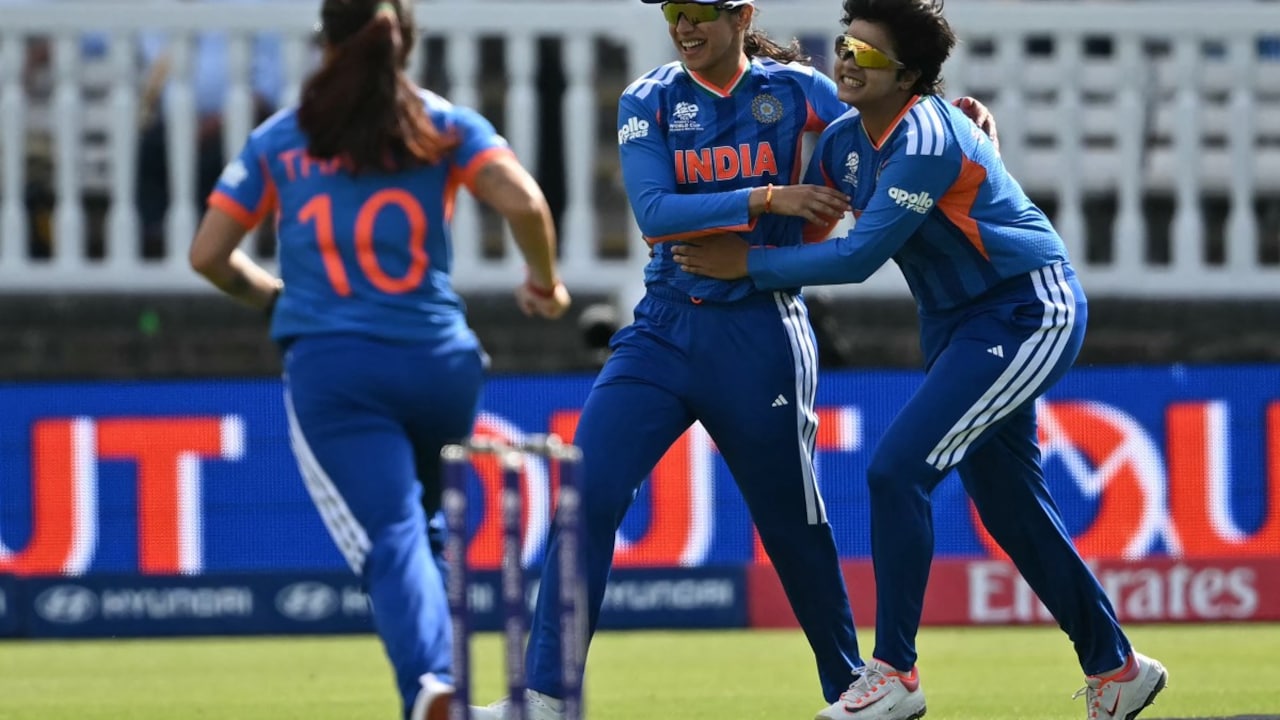
A New Era for Indian Women's Cricket
As Indian women's cricket transitions into a new phase, the voices of former greats, like Mithali Raj, are pivotal in shaping its future. Following the conclusion of Harmanpreet Kaur's tenure, Raj has thrown her weight behind Smriti Mandhana to lead the ODI side and Shafali Verma for T20s. This strategic vision not only highlights the potential of these young talents but also underscores the importance of leadership in a rapidly evolving format of the game.
Smriti Mandhana: The Natural Leader
Mithali Raj's endorsement of Mandhana as the captain for ODI cricket comes as no surprise. With her elegant stroke play and tactical acumen, Mandhana has already proven herself as a cornerstone of the Indian batting lineup. Her ability to anchor innings while being aggressive when needed makes her an ideal candidate for the role. Raj highlighted that Mandhana's demeanor on and off the field positions her perfectly to inspire the next generation of cricketers.
In her tenure, Harmanpreet Kaur has successfully led the team to significant milestones, including the T20 World Cup semi-finals. Yet, as she steps aside, the question arises: can Mandhana replicate or even surpass this success? Leadership demands not just cricketing skills but also the ability to manage team dynamics, particularly during high-pressure match situations.

Shafali Verma: The Future of T20 Captaincy
Raj’s advocacy for Shafali Verma to helm the T20I side is equally intriguing. Verma, the prodigious talent who burst onto the scene with her explosive batting, represents the youth movement within Indian cricket. At just 19, she has already showcased her potential on the global stage, becoming a key player in the shorter format of the game.
Her fearless approach to batting aligns perfectly with the T20 format's demands for aggression and innovation. Raj's backing could provide Verma with the confidence she needs to evolve from a player into a leader. As the team transitions, the selectors must consider the balance between experience and youth. Enabling Verma to lead could pave the way for a new era of fearless cricket that resonates with fans and aspiring players alike.
Selector's Dilemma: The Future of Rohit Sharma
In another significant development, the Indian selectors are reportedly considering the future of established players like Rohit Sharma. Following the recent ODI at Lord's, where Sharma's form came under scrutiny, head coach Gautam Gambhir and chairman of selectors Ajit Agarkar seem aligned on the decision to look beyond the seasoned opener. This raises questions about the direction Indian cricket is taking as it looks towards new talent.
Virat Kohli, despite the fluctuations in form over the years, remains an automatic choice due to his performance and fitness. The selectors’ decision to potentially drop Sharma signifies a bold shift in strategy. The ODI format, with its increasing emphasis on fitness and adaptability, necessitates a reevaluation of players who can contribute not just as individuals but also in a cohesive unit.
The Need for Transition
This shift is not merely about replacing players; it is about ushering in a new mindset. As evidenced by the recent performances, the younger generation is ready to step up. With the likes of Ruturaj Gaikwad, Ishan Kishan, and others making a mark, the team is moving towards a blend of experience and youth. The development and nurturing of these talents will be crucial for success in upcoming tournaments, including the World Cup.
In light of this, Raj's opinions on leadership resonate with the selectors' current strategies. The future of Indian cricket hinges not just on immediate results but on a sustainable approach that prepares younger players for international competition.
Balancing Experience with Youth
As the debate around Rohit Sharma's ODI future continues, the need for a balanced squad is paramount. The selectors are tasked with the difficult mission of integrating fresh talent while still relying on the experience of established players. This balancing act will be integral in maintaining the team's competitive edge.
Sharma's exclusion or inclusion will undoubtedly spark discussions among fans and analysts alike. The narrative surrounding his career path and potential legacy within Indian cricket will be closely monitored. The selectors must weigh the impact of his leadership against the pressing need for a new direction.
Looking Ahead: A Balanced Approach
The coming months will be vital as the Indian team prepares for crucial series and tournaments. Will the selectors opt for a complete overhaul or a gradual focus on integrating new leaders? The voices of players like Mithali Raj will be instrumental in guiding this process. Their insights will help shape the future strategy as Indian cricket navigates through its next chapter.
Ultimately, the decisions made in the coming weeks will set the tone for Indian cricket in both formats. Transitioning into a phase where youth leadership is prioritized could yield significant benefits, provided the right support is afforded to these emerging leaders.
As we move closer to the IPL and subsequent international fixtures, the narrative surrounding leadership is bound to evolve. Will Smriti Mandhana and Shafali Verma emerge as the faces of a new era? Only time will tell.
For more insights on Rohit Sharma's ODI future, check out our piece on Rohit Sharma's ODI Future in Jeopardy After England Series and Rohit Sharma Faces Crucial Crossroads in India’s ODI Future.