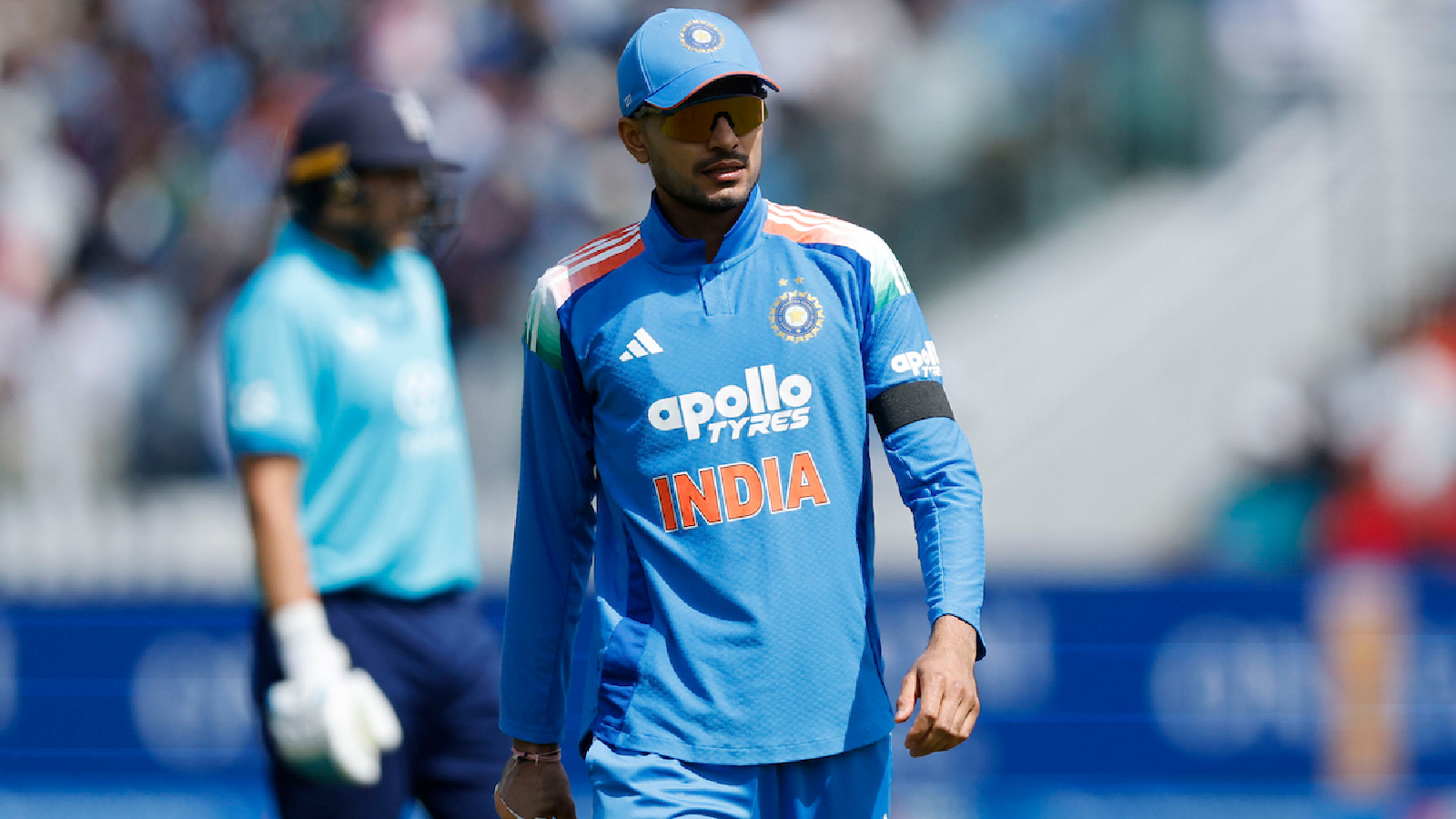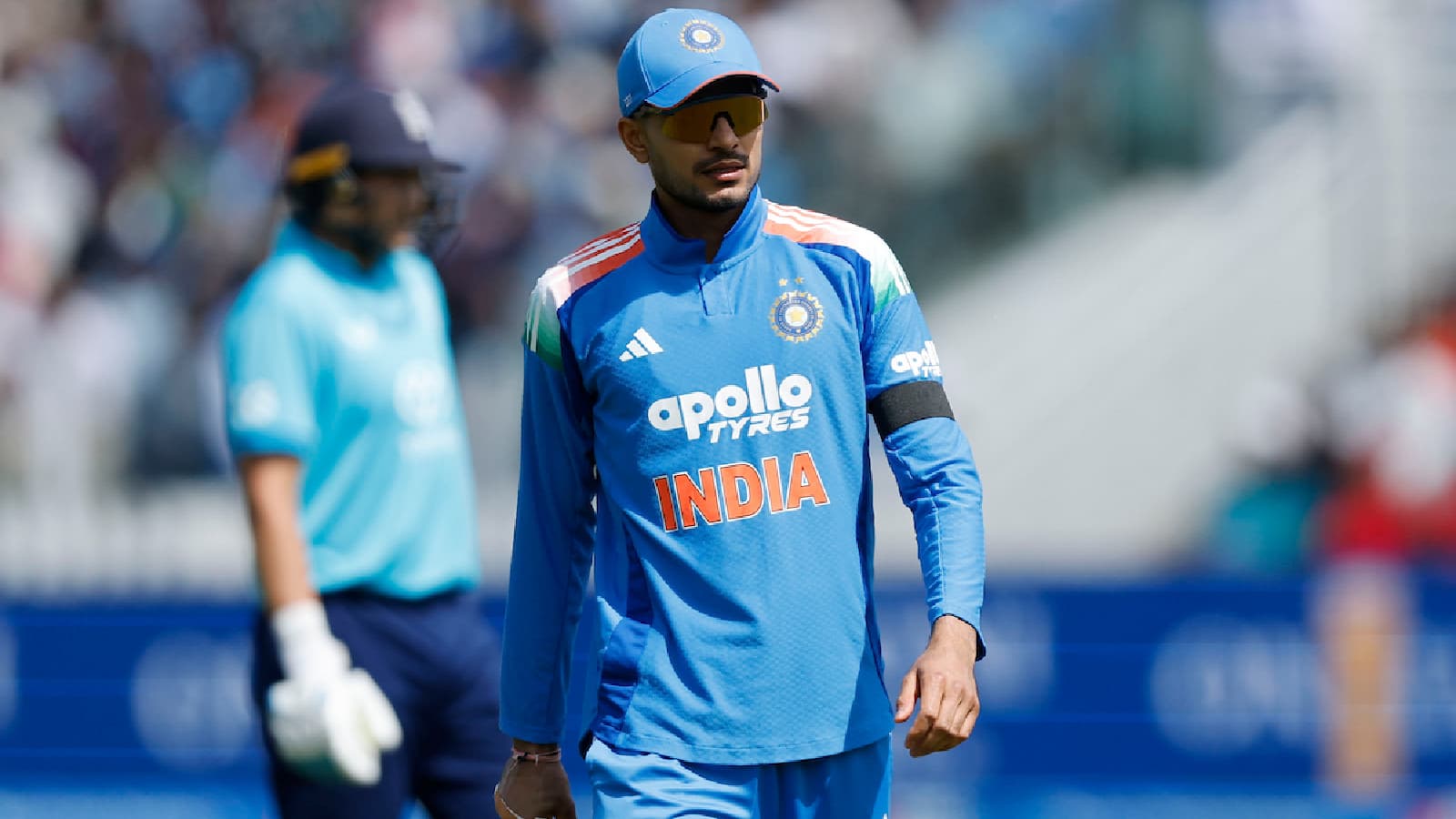
An Injury Crisis in IPL 2026
The 2026 IPL season has quickly become defined not just by thrilling matches and standout performances, but by an alarming trend: a rising number of player injuries. Shubman Gill, the talented batsman for Gujarat Titans, has raised concerns about the fitness levels of players, stating that many are struggling to complete 2-3 matches in a row. With the tournament entering its critical stages, this issue could not have surfaced at a more pivotal moment.
Injuries are a common factor in any sport, but the sheer volume seen this season has left teams scrambling and fans worried. The ongoing issue raises questions not just about the physical condition of the players, but also about the strategies teams employ to manage player workloads effectively throughout the grueling tournament. Gill's comments echo sentiments expressed by other players and coaches about the need for a more robust fitness regimen across the board.

The Toll of the Tournament
The IPL is notorious for its fast-paced and high-octane matches. Players are expected to perform at their peak for intense periods, and the physical demands of playing multiple matches in quick succession can take a toll. This season has seen some big names miss crucial games, which has shifted the balance of power among teams. The situation raises critical questions about whether the current format is sustainable for player health.
The frequency of injuries has led to discussions around potential changes to player management policies. The introduction of injury substitutions has been a hot topic, and while it may provide a safety net for teams, it also opens up the debate about how to ensure that players are fit enough to take the field in the first place. Just recently, Harshit Rana's injury has sparked further concerns about fitness protocols within the league. Read more about his impact here.
The Impact on Teams and Matches
As teams grapple with injuries, the implications extend beyond individual players. Teams are left to utilize their bench strength more frequently, leading to a dilution of talent on the field. For franchises like Chennai Super Kings and Royal Challengers Bangalore, who both rely heavily on their star players, the absence of key contributors due to injury can be devastating. The ability to adapt, implement tactical changes, and make the most of the situation has never been more critical.
Injuries have also led to some surprising results this season. Teams that may have been considered underdogs have taken advantage of others' misfortunes, showcasing the depth of talent in the league. The unpredictability of the tournament has only increased, making each match more compelling. As fans tune in to watch their favorite teams, they must also contend with the uncertainty of who will be on the field.
The Psychological Element
The psychological impact of injuries cannot be overlooked. Players who are constantly worried about their fitness may perform with hesitation, affecting their on-field decisions. For mental resilience, maintaining focus amidst the chaos of injuries can be challenging. Gill's comments reflect a broader concern among players about the cumulative stress of the tournament. The mental strain of worrying about fitness alongside performance can be exhausting.
The management of player fitness is therefore critical. Teams must prioritize not just physical conditioning but also mental well-being. The role of sports psychologists and conditioning coaches will likely become even more significant in the coming games. As the tournament progresses, maintaining a balance between performance and health will be key for any team aspiring to lift the trophy.
Looking Ahead: Potential Solutions
The IPL governing body faces a pivotal moment. With injuries on the rise, how they respond could shape the future of the league. Enhancements in medical facilities, better training programs, and perhaps even altered tournament schedules could be necessary steps to mitigate injury risks. The concept of extending the tournament window to allow for adequate rest between matches has even been floated among stakeholders.
Additionally, the potential for injury substitutions could introduce a new layer of strategy. Teams may have to rethink how they approach their squad selections, balancing the need for skilled players with the risks associated with fatigue. Read more on this topic here.
Conclusion: A Test of Resilience
As IPL 2026 progresses, the narrative may shift from one of star-studded performances to a deeper examination of player health and fitness. Gill's observations serve as a wake-up call for everyone involved. The stakes have never been higher, and the need for a proactive approach to player management is urgent. Teams must navigate this new reality, finding ways to keep key players fit while still contending for the coveted title.
In the world of cricket, resilience is tested not just through skill but also through the management of health and fitness. The coming weeks will reveal how teams adapt, overcome, and ultimately whether they can turn the tide on the injury epidemic that has gripped the league. With so much at stake, the spotlight is firmly on those tasked with keeping the players fit and ready to compete at the highest level.