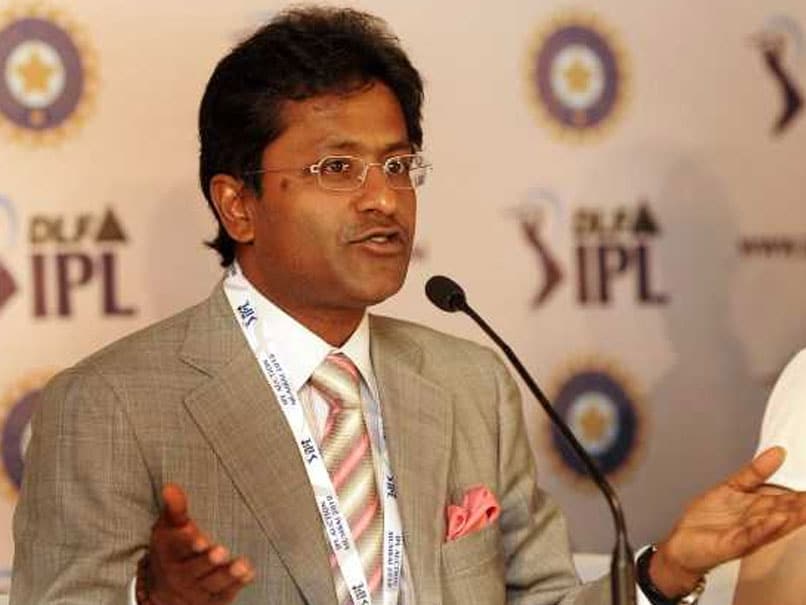
Lalit Modi Cleared in 2009 IPL Case
In a significant development for the Indian Premier League (IPL), former chairman Lalit Modi has been cleared of charges stemming from the controversial 2009 tournament held in South Africa. The Appellate Tribunal under the Special Act for the Prevention of Money Laundering (SAFEMA) set aside the penalties that had previously been imposed on him. This verdict not only vindicates Modi but also opens the door for a broader discussion on the governance and management of one of cricket's most lucrative and popular leagues.
The IPL has always been a subject of scrutiny, and Modi's role in its inception and subsequent controversies has been well-documented. His tenure was marked by innovation as well as allegations of financial impropriety. This latest ruling, however, suggests that the regulatory bodies may need to re-evaluate their processes and approach towards governance within the IPL framework. The implications of this decision could reverberate through the league, especially as it prepares for another season of high-stakes cricket.
The Context of Modi's Acquittal
Modi's acquittal comes in the wake of a long-standing legal battle that has drawn attention from fans and pundits alike. In 2009, the IPL was faced with various challenges, including issues related to venue changes and the associated financial risks. The tournament was shifted to South Africa due to security concerns in India, a decision that was both bold and controversial.
The previous penalties handed down to Modi were seen by many as a reflection of the complexities involved in managing such a high-profile event. However, the tribunal's ruling could signal a shift in how the league's leaders are held accountable for their actions. With Modi now cleared, the question arises: what does this mean for the future governance of the IPL?

Reactions from IPL Fraternity
The IPL fraternity has reacted positively to the news of Modi's acquittal. Many believe that this will usher in a new era for the league, one where past missteps can be learned from rather than used as a basis for ongoing scrutiny. Cricket analysts suggest that clear governance structures must be established to ensure the league can operate without the shadows of its past. The IPL must not only focus on financial growth but also enhance its credibility and integrity.
Kavya Maran, owner of Sunrisers Hyderabad, recently faced her own controversies regarding player signings amid discussions about the inclusion of Pakistani players in various leagues. While she refused to comment on this issue, it highlights the ongoing challenges the IPL faces in navigating the complex waters of international cricket politics. The league's ability to adapt and evolve will be crucial as it continues to grow in the global cricketing landscape.

The Bigger Picture: Governance and the IPL
Lalit Modi's case is emblematic of a larger narrative within cricket governance. The sport has seen its share of scandals, and the IPL is no exception. The league has been a battleground for issues such as match-fixing, player contracts, and financial misconduct. Moving forward, the IPL board must adopt a more transparent approach to governance to regain the trust of fans and stakeholders.
The recent events have sparked discussions about the need for a comprehensive review of the league's operational frameworks. This would involve engaging with cricketing authorities, legal experts, and former players to ensure a robust governance structure is in place. The IPL's success hinges not just on the talent on the field but also on the integrity of its management off it.
What Lies Ahead for IPL?
As the 2026 IPL season approaches, the league must focus on ensuring its credibility. The Modi ruling could provide an opportunity for introspection. The IPL's brand is built on excitement and entertainment, but it must also stand firm on principles of fairness and ethical governance. This is particularly pertinent as franchises are gearing up for critical player auctions, where the stakes are higher than ever.
Fans can expect a season that not only showcases world-class cricket but also emphasizes the importance of integrity and governance. The IPL has the potential to be a model for other leagues globally, but it must address its past shortcomings to pave the way for a prosperous future.
Conclusion: Time for Change
In conclusion, Lalit Modi’s acquittal is a pivotal moment for the IPL. It brings forth a renewed focus on governance that is essential for the league's sustainability. As cricket evolves, the importance of transparency and accountability cannot be overstated. The IPL must champion these values to remain at the forefront of global cricket. The eyes of the cricketing world will be on the IPL as it seeks to learn from its past and prepare for a promising future.
With the cricketing landscape constantly changing, the IPL finds itself at a crossroads. The decisions made today will shape the league for years to come. As fans, players, and officials look ahead, they must ensure that the spirit of the game is upheld above all else. The road ahead may be challenging, but it is also filled with opportunity. The IPL can rise to the occasion if it chooses to embrace change and foster a culture of integrity.
For more on the IPL and its evolving dynamics, check out our coverage on Rohit Sharma's future and England's ODI revival.