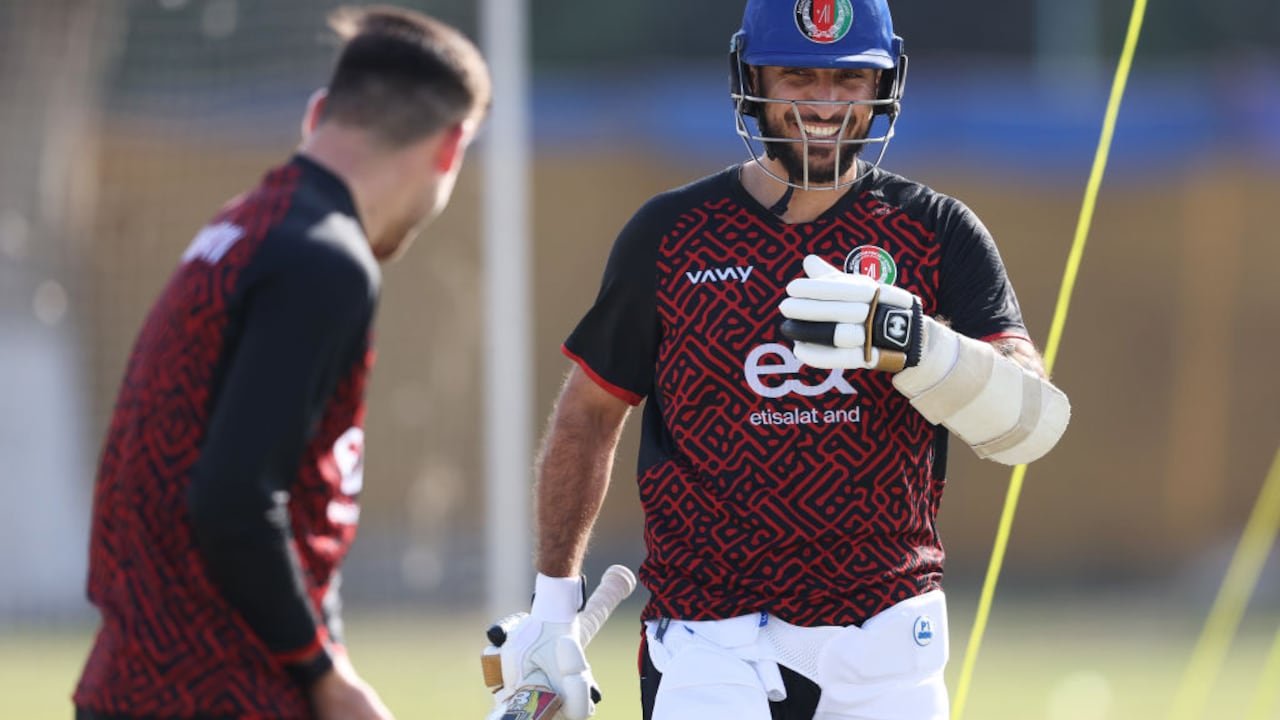
Rahmat Shah Takes Charge of Afghanistan Captaincy
In a pivotal moment for Afghanistan cricket, the Afghanistan Cricket Board has appointed Rahmat Shah as the new captain for both ODI and Test formats. This decision follows the resignation of Hashmatullah Shahidi, who has served as captain since 2021. Shahidi's departure from the role underscores the ongoing evolution within the Afghan team as they aim to solidify their standing on the international stage.
Rahmat Shah, a seasoned middle-order batter with a reputation for resilience and tactical acumen, has been a significant figure in Afghanistan's cricketing journey. His experience in international cricket, paired with his knowledge of the game, positions him well to lead a team that is still finding its footing in the world of cricket. Shah's appointment is not simply a change of leadership; it reflects the need for a strategic change as Afghanistan prepares for a challenging schedule ahead.
In his first address as captain, Shah emphasized the importance of unity and determination within the squad. He stated, “We have a talented group of players, and I believe that if we can harness their potential, we can achieve great things.” This sentiment is crucial as Afghanistan continues to strive for consistent performances in both ODIs and Tests, especially following their mixed results in recent tournaments.

The Challenges Ahead
Shah's captaincy will be put to the test as Afghanistan faces a series of tough fixtures in the upcoming months. The team is set to compete in ODI series against established cricketing nations, where they will need to showcase not only skill but also the ability to perform under pressure. The expectations are high, and Shah's leadership will be pivotal in instilling confidence within the squad.
The recent performance of the team has been under scrutiny, especially after a disappointing run in the 2023 World Cup qualifiers. With limited wins and several matches that came down to the wire, the Afghan players have experienced the bitter taste of near misses. Rahmat Shah's experience in high-pressure situations will be crucial as he guides his team through these challenges.
The Afghanistan cricketing community is optimistic about this transition in leadership. Many believe Shah’s calm demeanor and tactical nous can inspire the younger players, who are eager to make their mark. The focus will be on building a cohesive unit that can adapt to the nuances of international cricket, a skill that has evaded the team in critical moments.
Context of Leadership Changes
The leadership change is also reflective of a broader trend within Afghanistan cricket. There has been a growing call for new ideas and strategies to help the team evolve. The Afghanistan Cricket Board's decision to appoint Shah signals a commitment to nurturing homegrown talent and ensuring that the team remains competitive on the global stage.
In addition, the dynamics of captaincy in cricket are changing. Teams are looking beyond traditional roles, with a focus on mental resilience and the ability to innovate in challenging situations. Shah's emphasis on teamwork and mental fortitude will be essential as players learn to navigate the rigors of international competition. Shahidi’s experience in leading the team has left a legacy, and it will be interesting to see how Shah builds upon that foundation.
Influencing Factors: Fearless Cricket
Interestingly, the notion of fearless cricket has emerged as a key theme across various teams, including the Indian squad led by Shreyas Iyer. Following a series of disappointing results, Iyer has called for his players to embrace a fearless approach, a mindset that could resonate with the Afghan team as well. In a sport where confidence can dictate outcomes, this approach may prove beneficial for Shah and his players.
In an environment filled with criticism and pressure, both captains are tasked with inspiring their respective teams. For Afghanistan, the challenge lies in overcoming the shadows of past performances while instilling a sense of belief and adventure in their cricket. The parallels in leadership philosophies between Shah and Iyer may offer valuable insights for both teams, especially as they strive to break through recent barriers.
As Afghanistan gears up for an important series, the focus will be on how Rahmat Shah can instill this fearless mentality in his players. His previous experience in the middle order will aid him in understanding the pressures faced by batsmen during critical moments of a game, allowing him to guide his players effectively.
A Team in Transition
The Afghan cricket team is undergoing a transition, with several younger players stepping into key roles. The infusion of fresh talent, combined with experienced players like Shah, can create a balanced team dynamic. The potential for growth is significant, but it will require consistent performances and strategic planning to convert potential into tangible results.
It is also important to recognize the role of the Afghanistan Cricket Board in this transition. The board's focus on developing cricket at the grassroots level is essential for the sustainability of the sport in the country. As the new captain, Shah will need to leverage this support to ensure the team remains competitive while fostering a culture of excellence.
As Rahmat Shah embarks on this new journey, the cricketing world will be watching closely. The hopes of a nation rest on the shoulders of its players, and with the right guidance, they could achieve remarkable feats in international cricket.
For more insights on the evolving dynamics of cricket and leadership within teams, read our article on BCCI Tightens Rules on No Balls in IPL 2026 and BCCI's Rule Changes: A New Era for IPL Cricket.
Conclusion
Ultimately, Rahmat Shah faces a monumental task in leading Afghanistan cricket to new heights. With the right mindset, strategy, and unity, there is hope that this new chapter can lead to success on the international stage. The journey ahead is fraught with challenges, but it is also filled with opportunities for growth and achievement.