A Storm in the Selection Committee
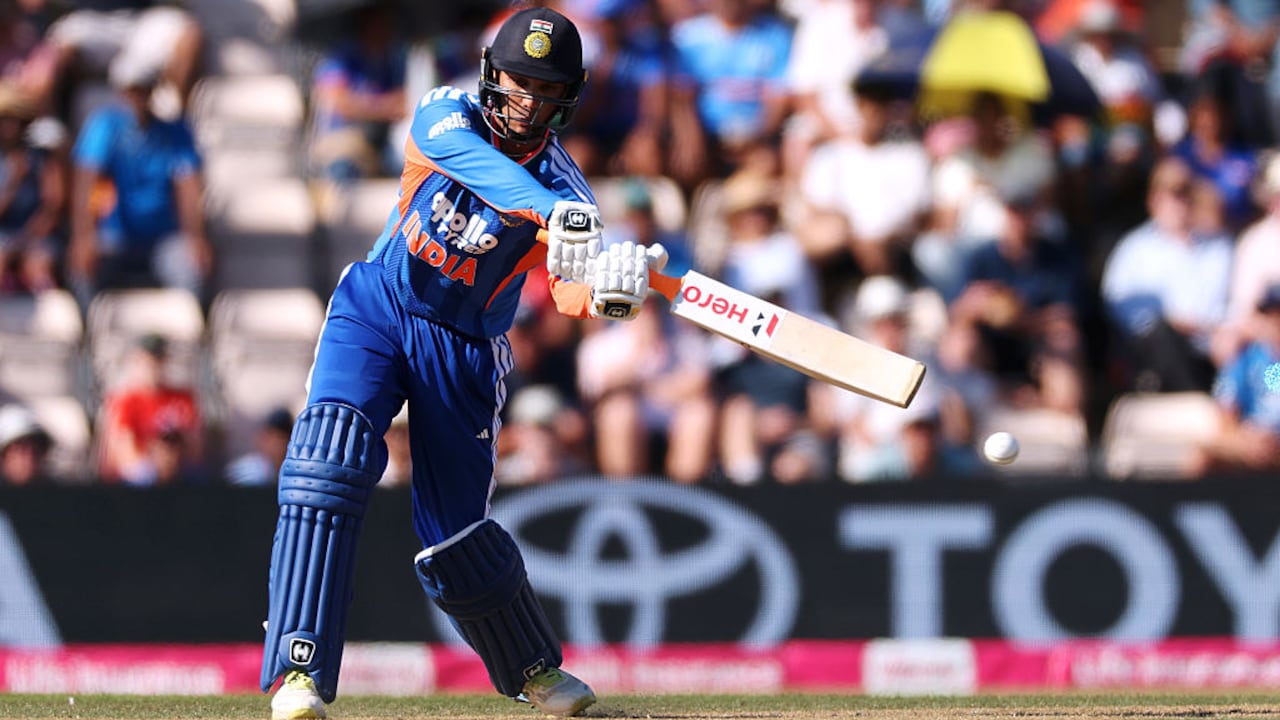
In the wake of India’s T20I series against Zimbabwe, the cricketing community is in a frenzy. The underwhelming performance of Abhishek Sharma has sparked a debate, particularly regarding the rationale behind his selection over the more experienced Sanju Samson. As India navigates this T20I series, the question lingers: why different rules seem to apply? The murmurs of discontent from fans and former players alike are growing louder.
The selection of Sharma has been a contentious point, especially considering the immense talent pool available to the selectors. With Sanju Samson’s track record, especially in the shorter format, many feel he was harshly overlooked. Samson, who has shown remarkable consistency and flair, presents a strong case for inclusion, particularly when juxtaposed against Sharma’s recent form, which has been less than stellar.
The ongoing T20I series has seen India struggling at times, and the batting lineup has failed to capitalize on opportunities. Sharma's position in the team has come under scrutiny, especially given that he averages only 22.50 in the series, with his highest score being just 28. His inability to convert starts into substantial contributions has left fans and analysts questioning the selectors' motivations.

The Case for Sanju Samson
Sanju Samson’s omission from the squad speaks volumes about the selectors' perspective. Samson has not only been a consistent performer in IPL but has also shown his ability to shine on the international stage. His explosive batting style and tactical acumen make him a prime candidate for the T20 format, which thrives on aggressive batting.
Despite his impressive credentials, some argue that the selectors are perhaps favoring youth over experience. This decision has not come without backlash. Former Indian cricketer Hanuma Vihari expressed his dissatisfaction, questioning the rationale behind Sharma's inclusion. Vihari’s critique reflects a larger sentiment within the cricket fraternity. The inconsistency in the selection process has raised eyebrows, leading to calls for a more transparent criteria for team selection.
The dilemma here is not merely about player performance but also about the message being sent to aspiring cricketers. If established players like Samson are overlooked in favor of form players, what does that mean for the future of Indian cricket? The selectors must tread carefully to ensure that they are not only picking the best available talent but also fostering a competitive environment that values performance and consistency.
Performance Under Pressure
One of the most critical aspects of T20 cricket is the ability to perform under pressure. Sharma's recent outings indicate a struggle to cope with the demands of the format. In high-pressure situations, a player must be able to deliver, and Sharma’s recent scores paint a picture of someone who may not yet be ready for the international stage. The importance of mental fortitude cannot be understated, especially when the stakes are high.
While Sharma's selection can be justified under the premise of giving youth a chance, the timing and circumstances call for a more experienced hand. With the T20 World Cup looming, the Indian team needs players who can handle pressure and deliver when it counts. This highlights a crucial need for selectors to weigh immediate performance against long-term potential.
The Way Forward
As discussions continue to swirl around the team’s composition, some may see this as an opportunity for introspection. The Indian selectors need to reflect on their objectives. Are they looking to build a team for the future, or are they focused on winning now? This complex balancing act is not new to cricket, especially in a format as volatile as T20.
Sharma’s future in the squad will largely depend on his ability to adapt and improve. If he can turn around his form, he may yet silence critics. However, fans are adamant that players must earn their spots based on merit, not potential alone. The depth of talent in Indian cricket means that competition for places is fierce, and each player must prove their worth in every series.
The selectors must also consider player form leading into major tournaments. Previous selections have shown that consistent performance in domestic and IPL matches is often a strong indicator of success at the international level. The recent success of Kyle Verreynne in the One-Day Cup serves as a reminder that form translates across formats.

Conclusion
As the T20I series against Zimbabwe continues, the focus remains on the players, the coaching staff, and the selectors. A decision made today can have ramifications for the future, especially with the T20 World Cup on the horizon. The cricketing community will be watching closely to see if changes are made, and if players like Sanju Samson are given the opportunities they deserve. The path ahead is fraught with challenges, but one thing is clear: performance must be the ultimate criterion for selection. The debate around Sharma vs. Samson is just a reflection of a larger conversation about the future of Indian cricket.
For more on cricket-related controversies, check out our coverage of Raj Kundra's legal battles and Washington Sundar’s unfortunate injury.