RCB's Dominance in Franchise Valuation
In a remarkable turn of events, the Royal Challengers Bangalore (RCB) has emerged as the most valuable franchise in the Indian Premier League (IPL) for 2026, boasting a staggering valuation of USD 312 million. This milestone not only underscores the brand's strength but also highlights the growing commercial appeal of the IPL, which has now crossed the USD 20 billion mark in overall business value. The figures released recently have sent shockwaves through the cricketing world, igniting discussions about the future of team valuations and their implications in the competitive landscape of the league.
The Rise of RCB
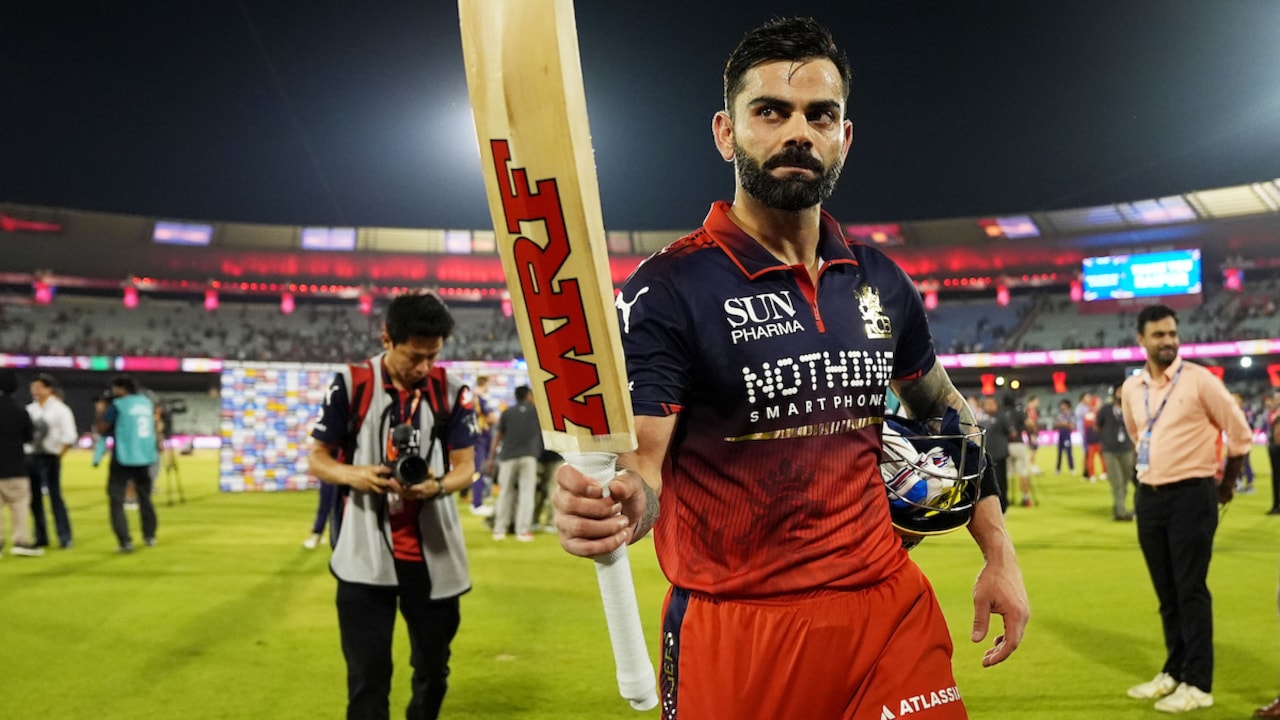
RCB's ascent to the top is a testament to its passionate fan base, high-profile players, and strategic marketing initiatives. The franchise, which has yet to secure an IPL title, has consistently attracted top talent and global attention. With stars like Virat Kohli and AB de Villiers in its ranks over the years, RCB has created an undeniable aura around its brand. The recent valuation reflects not just performance on the field but also a well-executed business model that capitalizes on merchandise sales, sponsorships, and fan engagement.

The Valuation Landscape
Following RCB, the Chennai Super Kings (CSK) and Mumbai Indians (MI) round out the top three, with valuations of USD 289 million and USD 280 million respectively. While CSK has a storied history of winning IPL titles, its fourth position in valuation raises questions about how legacy and commercial success intersect. MI, known for its strong brand and several championship wins, remains a formidable force in both cricketing and financial terms. The IPL’s growth trajectory indicates that team success directly correlates with brand valuation, but RCB's case challenges this notion, suggesting that marketability can sometimes outweigh on-field achievements.
The Financial Implications for Teams
The valuation of franchises like RCB plays a critical role in shaping decisions regarding player acquisitions, sponsorship deals, and future investments. For example, as discussed in our previous coverage regarding CSK's Bold Bid for Hardik Pandya, financial muscle can translate to advantageous trades and contracts that could enhance a team's prospects both on and off the pitch. As franchises engage in fierce bidding wars for top players, understanding valuation metrics becomes crucial for strategic planning.
The increase in brand value also aligns with the IPL's growing global footprint. Franchises are increasingly looking beyond domestic markets to attract international sponsors and partners, solidifying their status as global sporting brands. The fact that IPL has penetrated markets in the USA, UK, and Australia reflects this expansion. According to NDTV Sports, the financial landscape of the league is evolving, and franchises are capitalizing on this growth.
Challenges Ahead for the Established Giants
As RCB celebrates its top valuation, CSK and MI must reassess their branding strategies to ensure they maintain their competitive edge. The financial performance of these teams indicates a need for innovation in marketing and fan engagement. While the CSK fan base remains loyal, the franchise faces challenges in appealing to newer audiences, especially as younger fans gravitate towards brands that resonate with their lifestyle and values.
The Role of Fan Engagement
Fan engagement has become a critical metric in franchise valuation. RCB's active social media presence and community outreach programs have set standards for how teams connect with their supporters. The franchise has effectively used digital platforms to create interactive experiences, allowing fans to feel a part of the team’s journey. The emotional connection built through these initiatives is invaluable and reflects in their brand valuation.
This fan-first approach has helped RCB establish a significant market share in merchandise sales, further boosting its valuation. Franchise owners and management must prioritize building these connections if they wish to elevate their market positions and solidify their brand values in an increasingly competitive market.
The Future of IPL Valuations
Looking ahead, the competitive landscape of the IPL is expected to evolve. As teams like RCB push the envelope, others must adapt or risk falling behind. The financial ramifications are considerable—franchises need to invest wisely in player contracts, marketing strategies, and fan initiatives. As Hardik Pandya Trade Rumors Heat Up, teams are always strategizing to ensure they remain relevant and competitive. Each decision made today can have long-lasting effects on a franchise's valuation tomorrow.
Conclusion: The New Era of IPL
As we move through IPL 2026, it’s evident that the dynamics of team valuations are shifting. RCB's rise to the pinnacle of franchise valuation serves as a case study for other teams. Success now encompasses more than just on-field performance; it’s about brand identity, fan engagement, and innovative business practices. The IPL is not just a cricket tournament; it’s a burgeoning business ecosystem that will continue to redefine sports marketing in India and beyond.
RCB’s valuation success story is one that resonates deeply with fans and analysts alike. The franchise’s journey illustrates the potential for franchises to thrive commercially, offering lessons in brand building that extend beyond cricket. As the IPL continues to grow, so too will the narratives of its franchises, shaping the future of cricket in unprecedented ways.