Moeen Ali’s Surprising Choice
In a revelation that has sent ripples through the cricketing community, Moeen Ali has identified a former Indian cricketer as the best cricketing brain, bypassing the illustrious MS Dhoni. While Dhoni is often hailed as one of the finest strategists in the game, Ali's comments have reignited discussions regarding the nuances of cricketing intelligence. The debate over who possesses the sharpest mind on the field is as old as cricket itself, yet this latest assertion brings new dimensions to the dialogue.
The Exemplar of Cricketing Intelligence
Moeen Ali did not name drop lightly. He pointed towards Rahul Dravid, the former Indian captain and current head coach of the national team, as his choice for the best cricketing brain. Dravid’s extensive experience and level-headed approach have earned him respect across the globe. He isn't just known for his impeccable technique but also for his ability to read the game, strategize under pressure, and nurture young talent. Ali’s endorsement of Dravid has sparked debates: is the role of a coach or captain solely about tactical decisions, or does it encompass development and mentoring as well?

Dravid's tenure as a player was marked by his stoic presence during high-stress situations. His ability to anchor innings and strategize effectively against various bowling attacks is legendary. In contrast, Dhoni's reputation as a finisher and captain is unparalleled, but his methodology often leans towards instinctive decisions made in the heat of the moment. This dichotomy in leadership styles invites a critical examination of how cricketing brains manifest on the field.
The Dhoni Doctrine
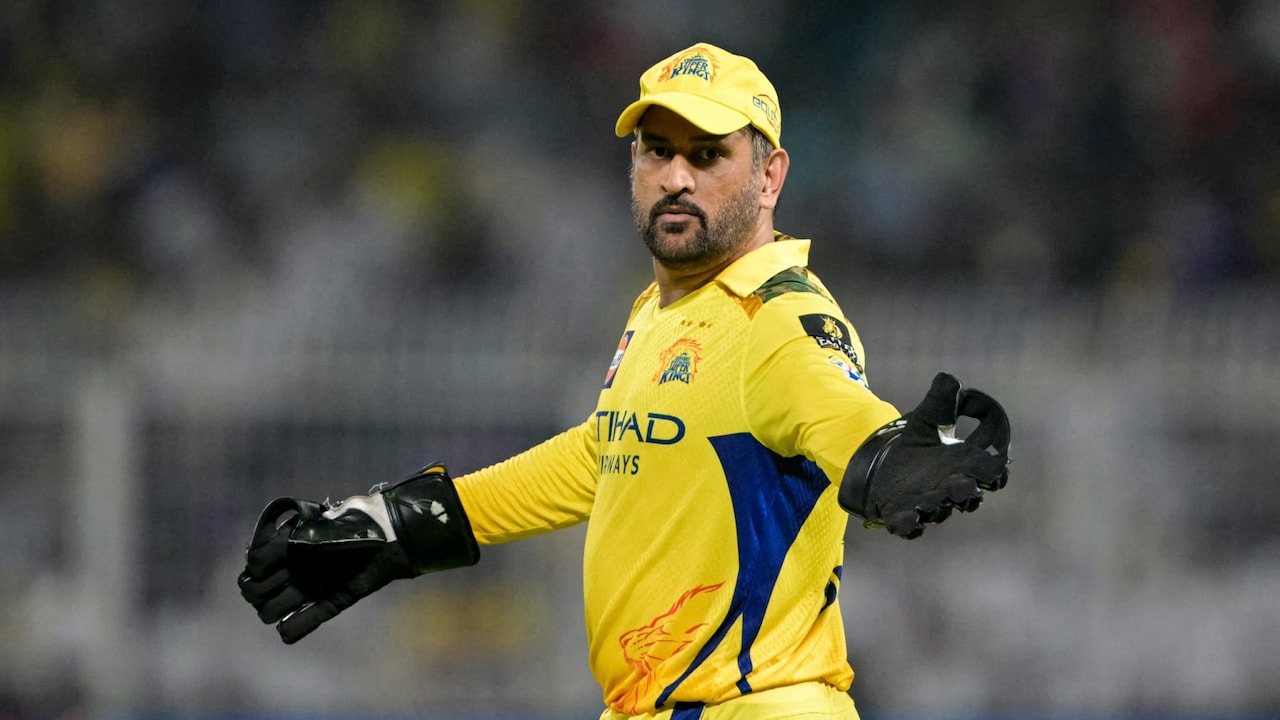
MS Dhoni's exceptional ability to perform under pressure has led many to regard him as the ultimate cricketing mind. His knack for changing game dynamics with astute field settings and clever bowling changes during death overs is well-documented. Dhoni's remarkable success in the IPL with Chennai Super Kings (CSK) is a testament to his strategic foresight and tactical adaptability. His calming presence in tightly contested matches, coupled with his ability to make quick decisions, has earned him the nickname 'Captain Cool.'
Despite the accolades, Ali's comments suggest a growing recognition of the different facets that contribute to cricketing intelligence. While Dhoni operates with instinct and experience in high-pressure situations, Dravid’s approach is centered around a more analytical perspective, valuing preparation and understanding of the game.
The Impact of Leadership Styles
The contrasting styles of Dravid and Dhoni raise important questions about leadership in cricket. Each captain embodies unique philosophies that extend beyond the boundary lines. Dravid’s emphasis on nurturing young players has been pivotal for India's recent successes. Under his guidance, the national team has seen a significant influx of young talent who are well-prepared for international competition.
On the other hand, Dhoni’s legacy at CSK is marked by his ability to create an environment where players thrive under pressure. His calm demeanor and strategic acumen during critical match moments have been instrumental in CSK's consistent performances. The IPL has witnessed many instances where Dhoni’s decisions have swung matches in favor of his team, showcasing that leadership can manifest in various ways.
The Evolution of Cricketing Minds
As the cricketing world evolves, so does the definition of a great cricketing brain. Players like Virat Kohli and Rohit Sharma also contribute to this evolving narrative. Kohli’s aggressive style and razor-sharp focus reflect a new generation of leaders willing to take risks. Sharma’s ability to perform in high-stakes matches further emphasizes the need for adaptability in various formats of the game.
With the advent of analytics and data in modern cricket, the profile of a cricketing brain is shifting. Players now need to be data-savvy, understanding the nuances of their opponents through statistical analysis. This shift poses the question: can a player be considered among the best if they rely heavily on data, or does intuition still hold significant weight?
The Future of Cricketing Strategy
As Moeen Ali's comments echo through the cricketing corridors, the future seems to promise an even richer tapestry of strategies and leadership dynamics. The balance between instinctual decision-making and analytical thinking will likely shape the next generation of cricketers. Coaches will need to cultivate players who can blend these elements effectively.
As the IPL approaches its climax this season, fans will undoubtedly see the impact of these leadership styles play out on the field. The competition has historically provided a platform for players to showcase their cricketing brains, and this year appears no different. How teams adapt their strategies in response to the evolving game will be fascinating to observe.
In summary, footballing intelligence is multi-faceted. With Ali’s endorsement of Dravid, the cricketing world is reminded of the depth of talent within its ranks. It is not solely about the iconic finishers. Instead, it’s about those who can cultivate the next wave of talent and strategize for success.
Whether MS Dhoni retains his crown as the ultimate cricketing brain or whether Rahul Dravid’s analytical prowess takes precedence remains to be seen. However, one thing is certain: the cricketing realm is rich with minds that have the potential to shape the game for years to come.
The debates stirred by Ali's comments will undoubtedly continue, enriching the cricket community’s understanding of what it means to be a great cricketing brain.
For further insights on Dhoni, check out our article on MS Dhoni and Rishabh Pant and the thrilling last-over drama between GT and CSK.