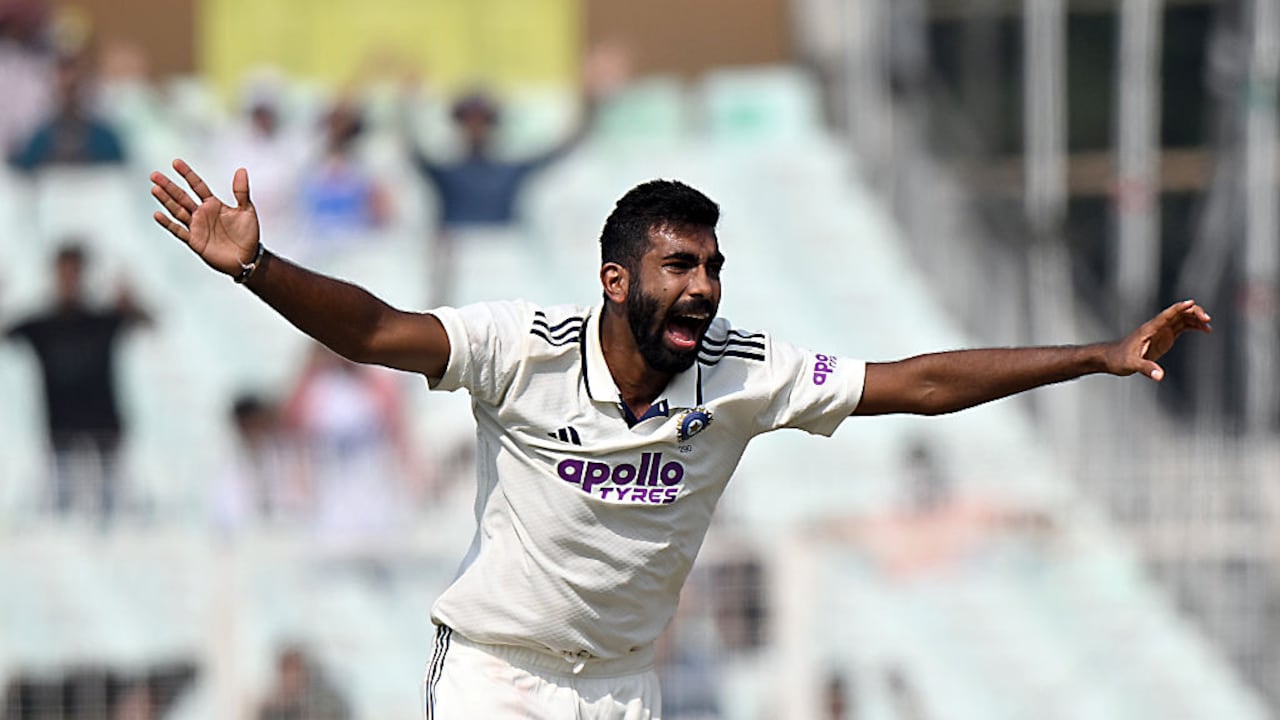
BCCI Under Fire for Bumrah's Availability
In a shocking turn of events, the Board of Control for Cricket in India (BCCI) finds itself grappling with serious criticisms over its management of Jasprit Bumrah's injuries. The fast bowler, a linchpin in India's bowling attack, has been sidelined due to fitness concerns. The situation has revealed a glaring communication disconnect between the Centre of Excellence's (CoE) sports science and medical team and the senior national men's selection committee.
This latest debacle has intensified scrutiny on the BCCI's internal processes, exposing the fragile lines of communication that could have dire implications for India's cricketing future. With the Indian Premier League (IPL) 2026 season approaching, the absence of a player like Bumrah could significantly reshape team strategies across the league.
In the past, Bumrah has been a key figure in IPL matches, consistently delivering match-winning spells. His ability to bowl pinpoint yorkers at will, especially in death overs, has not only earned him accolades but also made him a nightmare for batsmen. The cricketing fraternity is now left wondering how such an essential player could fall through the cracks of effective communication.

The Impact of Poor Communication
The ramifications of this communication breakdown extend beyond just Bumrah's individual fitness. Questions arise about the effectiveness of the CoE's structures and protocols. The selectors, who have the daunting task of assembling a squad for an international tournament, now face the brunt of public criticism for their lack of foresight. They were left in the dark about Bumrah's true fitness status, putting them in a precarious position during player selections.
This incident mirrors previous controversies where players' injuries were either mismanaged or inadequately communicated, leading to on-field debacles that could have been avoided. The BCCI must address these internal issues urgently to avoid further embarrassment, particularly with the T20 World Cup on the horizon. The current situation echoes themes from past IPL seasons, such as the debate around player workloads and injury management, as discussed in our recent article on Kuldeep Yadav's Exclusion.
A Clash of Priorities
The situation forces a reconsideration of priorities within the BCCI. With IPL franchises investing heavily in players, the stakes are higher than ever. Will the BCCI prioritize player welfare or the immediate demands of franchise cricket? The delicate balance between managing players' fitness and their overwhelming desire to play in the lucrative IPL raises significant ethical questions.
As franchises increasingly rely on data analytics and sports science to evaluate player performance, the BCCI must adapt its approach. The disconnect between the CoE and selectors indicates a lack of alignment in strategy and execution. Moving forward, integrating data-driven insights into player management could prove pivotal. A comprehensive review of the CoE's procedures may be necessary to avoid similar issues in the future.
The Bigger Picture
The BCCI's handling of Bumrah's injury reflects broader challenges facing cricket administration in India. The cricketing body has been criticized for its lack of transparency and accountability in various matters, including selection policies and player management. In an era where the game is evolving rapidly, traditional methods need re-evaluation.
Internationally, cricket boards are beginning to embrace holistic approaches to player health and performance. With the recent ban of USA cricketer Bodugum Akhilesh Reddy for match-fixing, the importance of integrity and fair play is brought to the forefront. The BCCI must not only focus on player fitness but also ensure that the spirit of the game remains intact. Integrating ethical practices into the fabric of their operations could prevent further scandals and bolster the sport's credibility.
The BCCI's recent mismanagement of player fitness stands in stark contrast to the efforts of international teams that actively promote athlete well-being. The selection committee must take heed of these lessons. As we move closer to the 2026 IPL season, the spotlight will be on the BCCI's ability to rectify these issues. Will they rise to the challenge, or will they continue to falter under pressure?
Looking Ahead
As the cricketing world watches closely, the BCCI's next steps will be crucial. It must restore confidence among fans and players by demonstrating that it can effectively manage player fitness and selection transparency. With the IPL being a massive platform for talent showcasing, the absence of key players like Bumrah could tilt the scales dramatically.
In light of these challenges, the BCCI's approach will be scrutinized. Will it prioritize a cohesive strategy that aligns with the evolving nature of the sport? Or will it remain entrenched in outdated methods? Only time will tell, but the clock is ticking.
The upcoming IPL season and international fixtures will serve as a litmus test for the BCCI's commitment to reform. As they navigate this tumultuous landscape, one thing is clear: the time for change is now. Effective communication, strategic planning, and a focus on player welfare must be at the forefront of their agenda if they are to reclaim their status as a cricketing powerhouse.
Given the stakes, fans will be eagerly watching how these dynamics unfold. The BCCI must act decisively to ensure that it does not find itself left behind in the competitive world of cricket, both at the domestic and international levels. The journey ahead is fraught with challenges, but it also offers an opportunity for the BCCI to emerge stronger and more unified than ever before.
For more insights on cricketing trends and the implications of BCCI's decisions, read our article on Emerging Cricket Trends.