Introduction
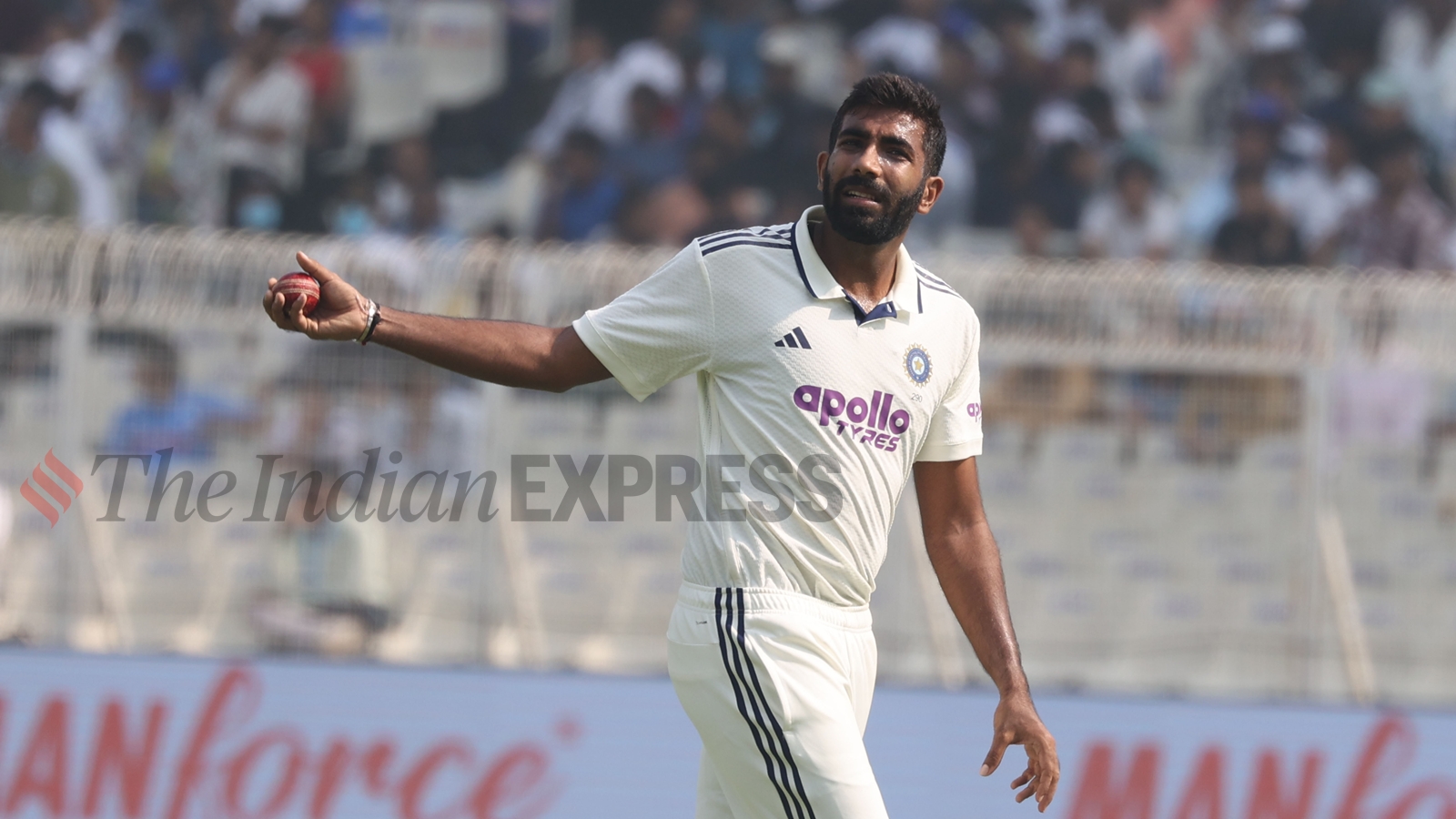
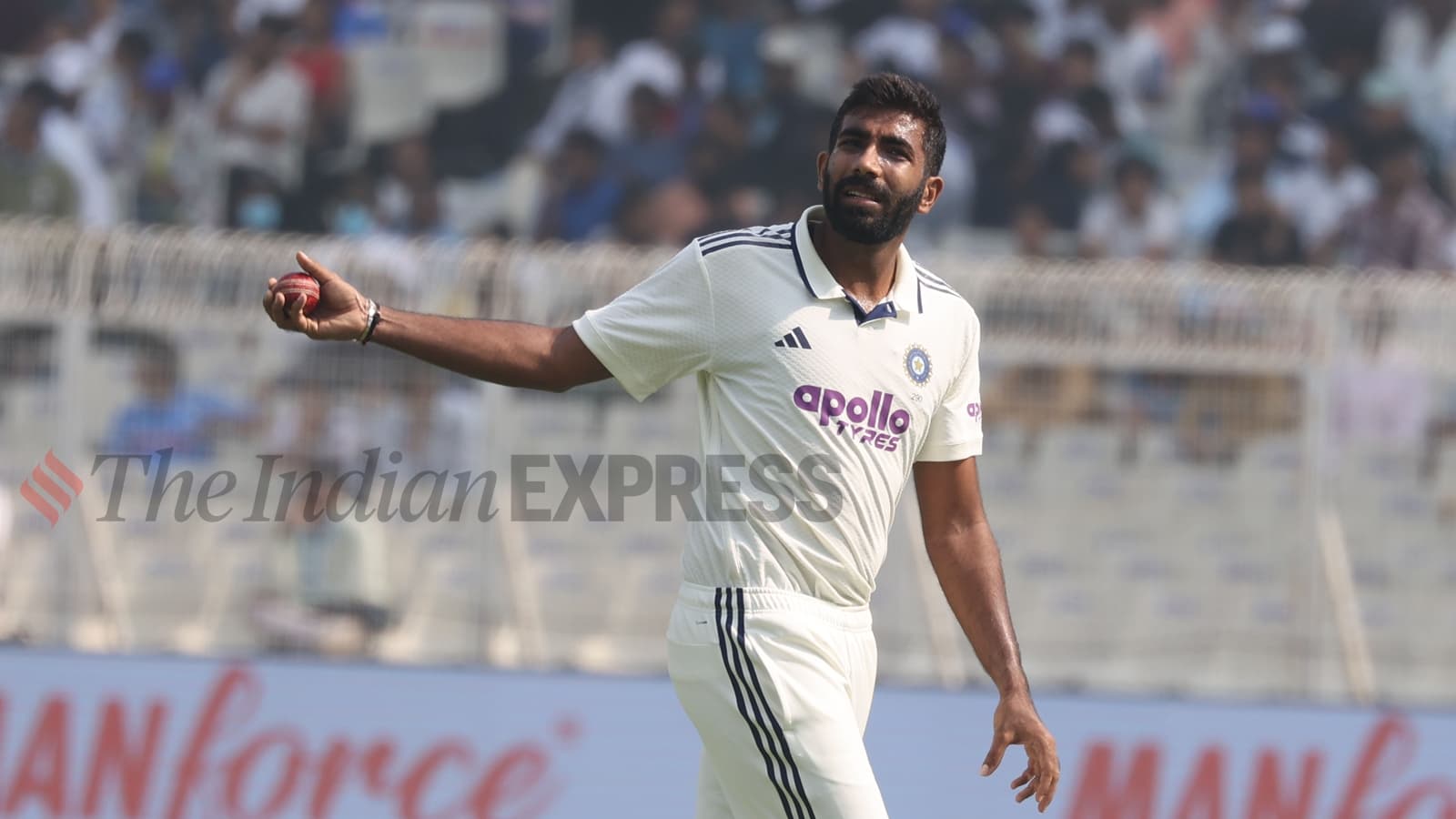
As the IPL 2026 season unfolds, a shadow looms over the tournament: the increasing number of injuries afflicting Indian cricketers. From Jasprit Bumrah to Washington Sundar, the cricketing fraternity is questioning why so many players are breaking down at a time when the nation's hopes are pinned on a successful campaign. The impact of injuries can’t be overstated; they not only jeopardize individual careers but also threaten the balance of franchises competing for the coveted IPL trophy.
The Trend of Injuries
In recent years, the Indian cricketing landscape has witnessed a disturbing trend where key players are struggling with injuries. This season, reports indicate that the fast-bowling spearhead Bumrah has experienced a recurrence of his back issues. His absence from the pitch leaves a gaping hole in the Mumbai Indians lineup, a situation they have faced repeatedly in recent seasons. The franchise, known for its formidable bowling attack, now finds itself scrambling for alternatives in the competitive IPL format.
In addition to Bumrah, Washington Sundar's fitness woes have also raised eyebrows. The versatile all-rounder has become a vital cog in the Indian team, particularly in T20s, yet his injury history is concerning. Many analysts are beginning to point towards the grueling nature of the IPL as a contributing factor to the physical breakdown of these athletes.

The Role of IPL's Intensity
The IPL, with its high-octane matches and packed schedule, puts immense pressure on players. The transition from international commitments to the IPL can be abrupt, leaving little time for recovery. For instance, cricketers returning from long tours are often expected to perform at peak levels immediately, which can exacerbate existing injuries or create new ones. The short turnaround between matches can lead to fatigue, increasing the risk of both minor and major injuries.
Analysts note that players are often overworked during the season, with franchise demands clashing with national team requirements. This constant juggling act can strain players, particularly those already nursing injuries. The resultant wear and tear are not only physically taxing but can lead to mental fatigue as well, diminishing overall performance.
Training Regimes Under Scrutiny
Another critical aspect contributing to injuries is the training regimens followed by players. Many former cricketers and fitness experts have expressed concern over how players are conditioned for the rigors of the IPL. The reliance on high-intensity training without adequate rest and recovery has raised questions about whether current training practices are sustainable in the long run.
Moreover, the introduction of new fitness protocols and technologies in recent years has seen players pushed to their limits in the name of performance enhancement. While innovation in training can yield benefits, it also comes with risks if not managed appropriately. The balance between pushing limits and adhering to a safe, sustainable training plan is crucial, but it appears that the latter is often neglected.
Importance of Player Management
Franchises must take a proactive approach to manage player workloads. With injury management becoming a crucial aspect of modern cricket, teams need to invest in better medical and fitness staff who can tailor recovery programs for individual players. The strategic decision to rest key players during less critical matches may prove beneficial in preserving their fitness for crucial playoff games.
In this context, the role of data analytics cannot be understated. Teams that leverage technology to monitor player fitness levels can potentially catch warning signs before they escalate into serious issues. With IPL being a multi-million dollar enterprise, investing in comprehensive player health management systems seems prudent.
Future Perspectives
Looking ahead, it's vital for the Board of Control for Cricket in India (BCCI) to consider the long-term implications of player injuries. As the nation gears up for the Asian Games later this year, ensuring that key players are fit and firing is essential. The recent return of Bumrah is a hopeful sign, yet it highlights the need for a more sustainable approach to player fitness throughout the IPL season.
For fans, the excitement of the IPL can often overshadow the realities of player welfare. However, as the season progresses, it is imperative to keep an eye on the fitness of players and how franchises manage their stars. The health of India’s cricketers should take precedence over immediate results. Understanding the importance of recovery and proper training can set a precedent that enhances the overall quality of the league.
Conclusion
In conclusion, the alarming rate of injuries among Indian cricketers is a multifaceted issue that calls for urgent attention. The challenges posed by the IPL's intensity, combined with ineffective training methods and player management practices, necessitate a reevaluation of how franchises approach player welfare. The long-term health of these athletes should be the priority, ensuring that they can continue to entertain fans not just in the IPL, but for the national team as well. As we witness the ongoing matches, the hope is that the remaining players can withstand the pressures and deliver their best performances without succumbing to injuries.
For a closer look at how the IPL is reshaping cricket, explore Jos Buttler's surprising batting position in IPL 2026 final and Bumrah returns: India gears up for Asian Games challenge.