BCCI's Urgent Review Amid Injury Crisis
In a concerning turn of events for Indian cricket, injuries have once again taken center stage, prompting the Board of Control for Cricket in India (BCCI) to spring into action. BCCI secretary Devajit Saikia has rushed to Bengaluru for an urgent meeting with Head of Cricket VVS Laxman. This meeting is crucial, as it seeks to address the alarming spate of injuries affecting key players ahead of upcoming international fixtures.
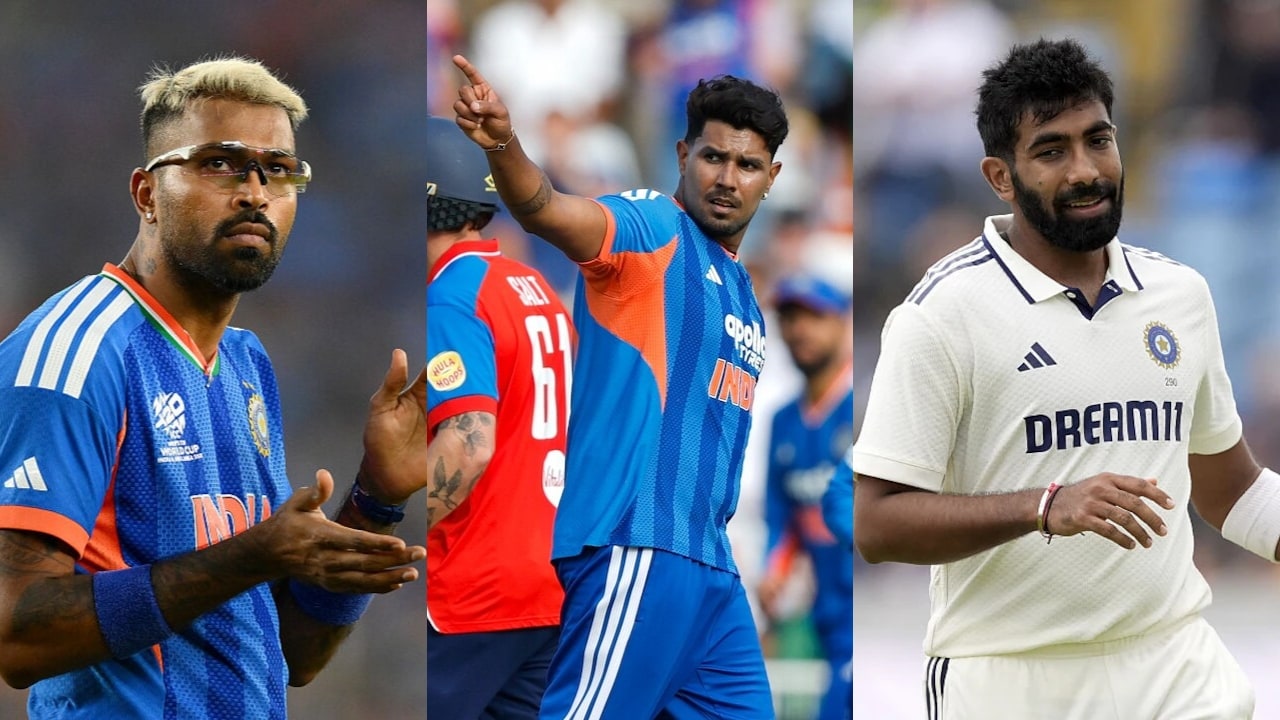
The Indian cricket team has recently faced a myriad of injury issues, dulling the optimism surrounding its preparations. With the ICC T20 World Cup looming, injuries to pivotal players are particularly worrying. The likes of Shubman Gill and Jasprit Bumrah have already been sidelined, leaving the team to grapple with how to fill these crucial gaps in their lineup. Shubman Gill's Injury Overshadows India vs Sri Lanka Warm-Up highlights the gravity of this situation, as the young opener was expected to lead the charge with his aggressive batting style.
The urgency of Saikia’s visit cannot be overstated. Injuries in cricket are a double-edged sword; they not only weaken the existing squad but also shake the confidence of the players stepping into those vital roles. New faces must step up quickly, and with little time for acclimatization, this could spell disaster for India’s chances on the global stage.

The Impact of Injuries on Team Dynamics
Injuries can disrupt the carefully constructed team chemistry that is essential for success in high-pressure situations. Players often rely on established partnerships and strategies that take time to cultivate. The absence of seasoned players like Bumrah, known for his ability to execute pinpoint yorkers, changes the dynamics of the bowling unit significantly. New bowlers may lack the experience needed for pressure situations, particularly in death overs where tactics and execution are paramount.
Moreover, the mental aspect of dealing with injuries can weigh heavily on the squad. Players who are used to contributing at high levels may feel the pressure when thrust into roles they are not fully prepared for. This lack of readiness can lead to underperformance, further exacerbating the team’s challenges.
Rebuilding Trust and Strategy
As the BCCI prepares to conduct an urgent review, the focus will also be on rebuilding trust among the players. VVS Laxman, a former cricketer and now head of the cricketing operations, will play a pivotal role in strategy formulation going forward. The meeting will likely address the need for a robust injury management plan, which could involve conditioning and rehabilitation protocols tailored to players' needs.
The BCCI must also explore potential alternatives in its squad, including younger talents from domestic cricket who can step in as effective substitutes. The IPL has long been a breeding ground for cricketing talent, and players who have shone brightly in the tournament may well find themselves in the national setup sooner rather than later. The ongoing IPL season is a perfect opportunity for these players to showcase their skills and resilience. Players who excel in pressure situations during the IPL could be called up to fill in for injured stars, making every match count.
A Broader Concern for Cricket
While the Indian team grapples with its issues, the situation is a reminder that injuries are a widespread concern across the cricketing world. Other nations have faced similar challenges, raising questions about player workload management and the physical toll of modern cricket. With the international calendar demanding more cricket than ever, the risk of injuries increases. Cricket boards worldwide must take note, as ensuring player welfare is paramount for the future of the sport.
Women's Cricket in the Spotlight
On another front, controversy continues to swirl around Australia women's cricket. Vice-captain Ashleigh Gardner has recently been in the news following allegations involving her teammate Georgia Voll. The situation has elicited criticism towards Cricket Australia for its lack of action, as Gardner's estranged wife, Monica Wright, has publicly raised her concerns. This highlights the sometimes-overlooked complexities of personal relationships within professional sports teams.
It’s imperative for cricket boards to maintain a culture of accountability and transparency, not just for the health of the players but to preserve the integrity of the sport as well. The Australian team has long been a standard-bearer for women's cricket, and such controversies could tarnish its reputation if not handled correctly.
Looking Ahead
As the BCCI navigates this injury crisis, it must remain steadfast in its commitment to develop a robust framework that prioritizes player health. Only then can India hope to field its strongest team in the upcoming tournaments. Players like Bumrah and Gill are essential to India's aspirations, and their return will be critical. For now, however, the focus must shift to those stepping up in their absence, making every opportunity count.
The road ahead is fraught with challenges, but if history has taught us anything, it is that cricket is a game of resilience. The current landscape may be rocky, but with the right strategies and a bit of luck, India can emerge stronger, ready to reclaim its position among the world's best. The coming weeks will be crucial as the team gears up for its next set of challenges, both on and off the field.

Conclusion
In conclusion, the BCCI's urgent review is a necessary step in addressing the injury crisis plaguing the Indian cricket team. With key players sidelined and the clock ticking down to major tournaments, the stakes have never been higher. The future of Indian cricket may very well depend on how the board and coaching staff respond to these challenges and how they utilize the upcoming IPL season to scout and develop new talent. With the eyes of a cricket-frenzy nation upon them, this is a defining moment for the BCCI and the team.