The Decline of Department Cricket
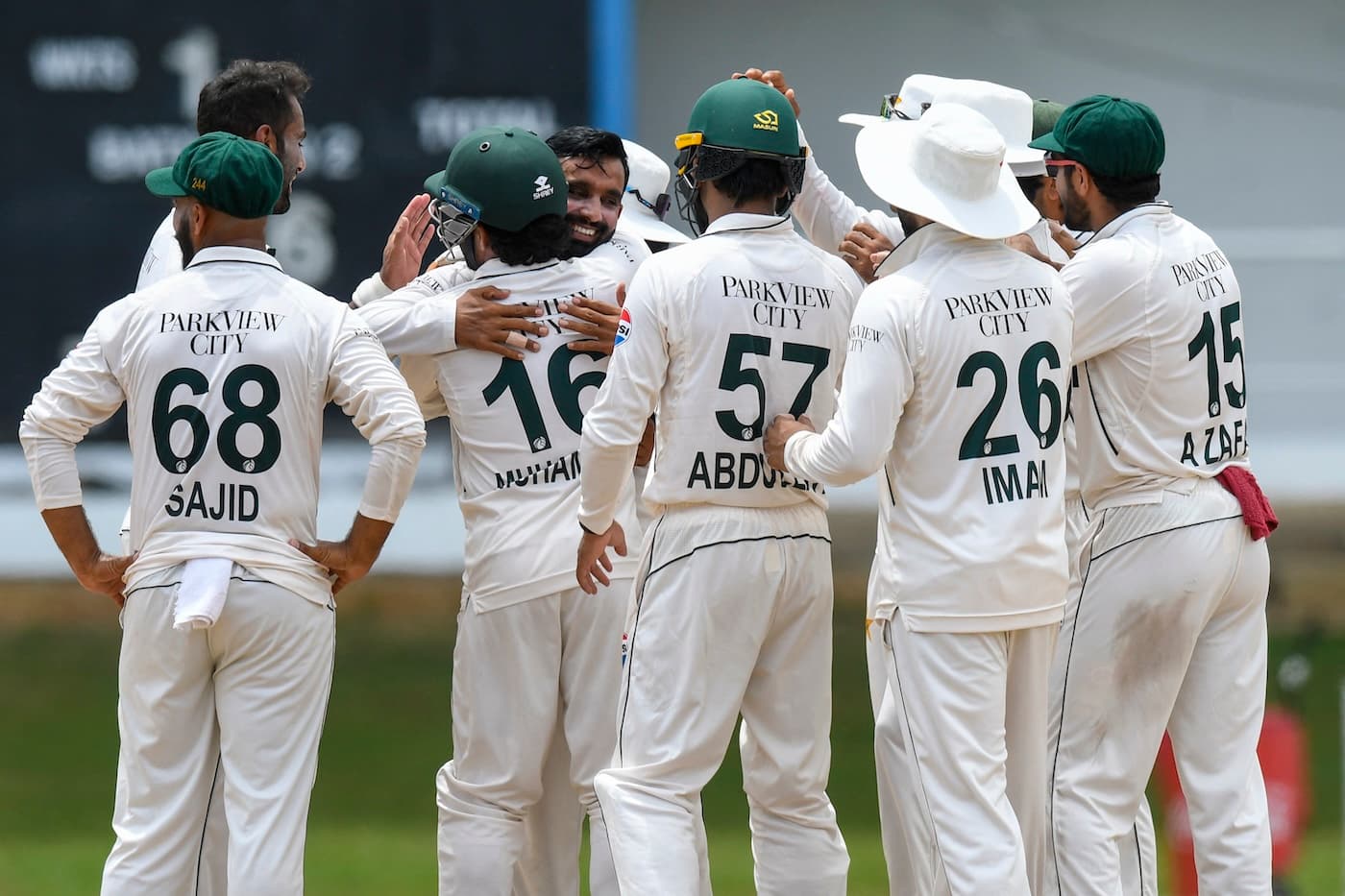
The recent comments from former Pakistan captain Azhar Ali have reignited a crucial debate about the state of cricket in Pakistan. With the national team experiencing a worrying slump in form, Ali pointed out that the closure of department cricket has significantly contributed to the decline. "Department cricket was the biggest nursery for Pakistan cricket, and today again it feels like it's being pushed out," he stated, emphasizing that the grassroots level of the sport is facing an existential crisis.
Pakistan cricket has always relied on its unique structure, where departments played a pivotal role in nurturing talent. The discontinuation of this system has raised questions about how future generations will develop their skills and gain competitive experience. There’s an undeniable link between the health of domestic cricket and the success of the national side. The struggles of the current squad in international competitions can partly be attributed to this vacuum.

The Role of Department Cricket in Player Development
Historically, department cricket provided a platform for aspiring cricketers to showcase their talents. It allowed players to compete at a high level while also earning a livelihood. Many of Pakistan's cricketing legends emerged from this structure, utilizing it to hone their skills before making the jump to the national team. The likes of Wasim Akram, Inzamam-ul-Haq, and Younis Khan benefited immensely from this system.
However, with the rise of franchise cricket and a shift in focus towards leagues, the traditional structure has been dismantled. The Pakistan Cricket Board (PCB) has been criticized for not prioritizing domestic cricket, instead channeling resources into creating a more marketable product through leagues. While T20 leagues have their place, they shouldn't overshadow the foundational elements of the game, such as the need for a robust domestic structure.
Ali's remarks echo a sentiment shared by many former players and analysts. They argue that the absence of department cricket has resulted in a lack of match practice for many players who would typically be competing in competitive fixtures. The repercussions of this decision are evident, particularly when Pakistan faces powerful teams in high-stakes matches.
The Financial Implications
One cannot ignore the financial aspect of cricket in Pakistan. The shift from department cricket to private leagues has created a new revenue model, prioritizing short-term gains over long-term sustainability. While it's essential for the PCB to generate revenue, it should not come at the cost of nurturing talent. The impact of this decision is multi-faceted, affecting not just the players but also the coaching staff and the overall cricketing infrastructure.
The PCB's focus on generating income through franchise cricket must be balanced with the responsibility of fostering talent at the grassroots level. Ali's comments reflect a growing frustration among purists who believe that the soul of cricket in Pakistan is being sacrificed for profit. The cricketing community needs to find a way to integrate both approaches, ensuring that the country's rich cricketing heritage is preserved.
International Comparisons
When comparing Pakistan's situation with other cricketing nations, the differences are stark. Countries like Australia and India have well-established domestic leagues that serve as breeding grounds for international talent. In Australia, players can transition seamlessly from domestic competitions to international fixtures, thanks to a structured pathway. In India, the Ranji Trophy and the Indian Premier League (IPL) coexist, allowing players to gain experience in traditional formats while also benefiting from lucrative T20 opportunities.
Pakistan needs to establish a similar framework that includes a competitive domestic league alongside the IPL-style franchises. This would ensure that players are not only financially secure but also adequately prepared for the rigors of international cricket. The PCB has a significant task ahead of it, and it would do well to take lessons from successful systems in other cricketing nations.

A Call for Action
The importance of reviving department cricket cannot be overstated. Azhar Ali's comments should serve as a wake-up call for the PCB and cricketing authorities. They must recognize the need to create a balanced approach that marries financial viability with player development. This means investing in domestic structures, providing financial support to departments, and ensuring that players have access to the resources necessary for their development.
Ali's pleas reflect a broader concern for the future of Pakistan cricket. With the national team's fortunes hanging in the balance, the time for introspection and action is now. The PCB must take decisive steps to restore the foundations of the game, ensuring that the country's cricketing culture thrives once again.
In conclusion, the closure of department cricket has left a gaping hole in Pakistan's cricketing structure. It is imperative that the PCB listens to the voices of its former players and takes action to revive this crucial aspect of the sport. Only then can Pakistan hope to return to the pinnacle of international cricket.
For more on the financial intricacies of cricket, check out our article on Bilateral ODI Revenue Dilemma. Further insights on cricket's evolution can be found in our feature on Isa Guha: Pioneering Commentary and the Future of Cricket.