Rising Injury Concerns in Indian Cricket
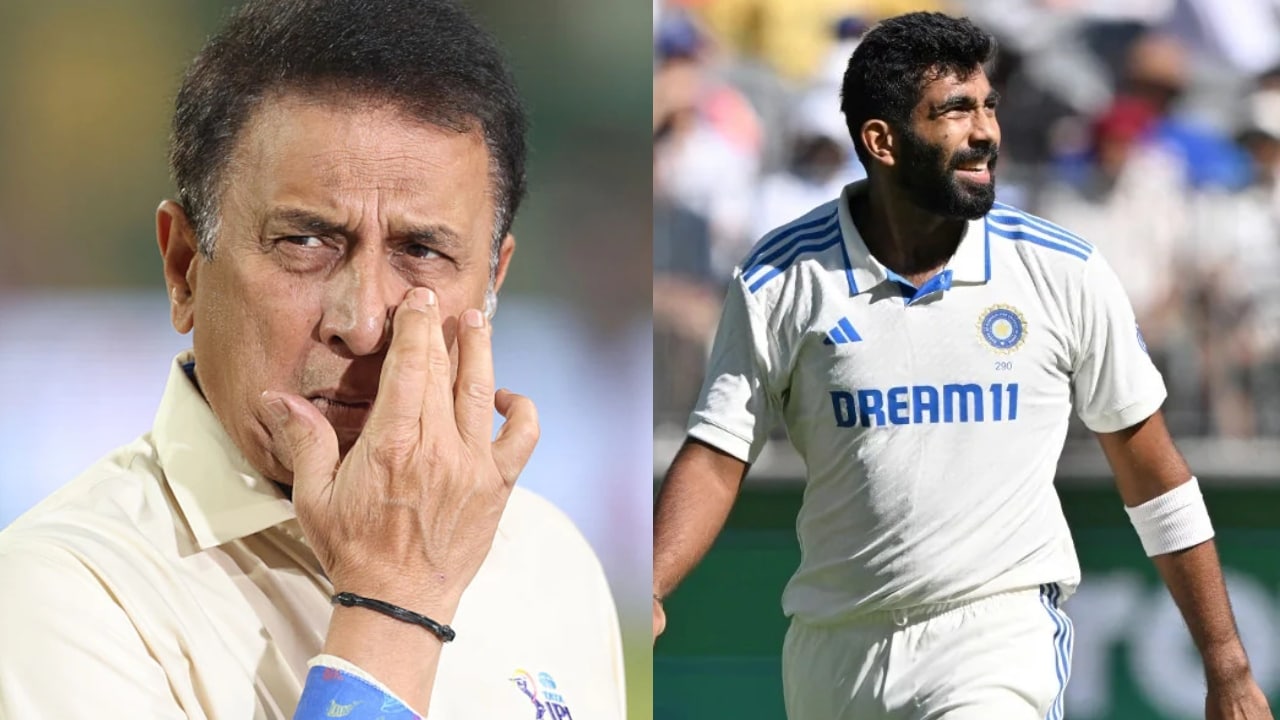
As the Indian cricket team gears up for another thrilling Indian Premier League (IPL) season, a shadow looms over the squad. Legendary cricketer Sunil Gavaskar has voiced urgent concerns regarding the increasing number of injuries affecting players in Indian cricket. His remarks come at a crucial time when the stakes are high, with several players recovering from injuries ahead of the IPL and the ICC World Cup later this year.
Injuries in cricket are not new, but the frequency and severity of these incidents have raised eyebrows. Gavaskar's apprehensions revolve around the physical toll the relentless schedule places on players. “Something is clearly wrong,” he stated emphatically, pointing to the need for a reevaluation of training regimens and workload management. The former Indian captain's insights are particularly pertinent, considering India’s packed calendar that includes international tours, bilateral series, and the high-octane IPL.
The focus on injuries has become even more pressing in light of recent events, such as the historic Test victory by Bangladesh over Australia, which showcases the competitive nature of international cricket. This victory has undoubtedly raised the stakes for all teams, including India, who are now under pressure to perform without their full-strength squad. It begs the question: How can India maintain its dominance when key players are sidelined?

The Impact of Injuries on Team Dynamics
Injuries can disrupt team dynamics and force coaches to make last-minute adjustments. For instance, the absence of a pivotal player can alter match strategies and affect team morale. Gavaskar’s critique emphasizes the importance of not just physical fitness but also mental resilience. Players are often expected to perform under pressure, and being unfit can lead to underwhelming performances, which can, in turn, lead to additional psychological stress.
The IPL is known for its grueling schedule, where players often engage in back-to-back matches. This format can exacerbate the risk of injuries. The need for adequate recovery time cannot be overstated. Gavaskar’s comments echo sentiments shared by various experts who advocate for a more balanced approach to player management. This includes thoughtful scheduling, improved rehabilitation protocols, and a comprehensive understanding of player fitness levels.
Lessons from Global Cricket
The injury epidemic is not unique to India. Teams around the globe are grappling with similar issues. For example, Australia has faced its own challenges, with several key players missing due to injuries in recent tours. The England cricket team also suffered as they navigated injuries during the Ashes series, which ultimately impacted their performance. The international cricketing community is increasingly discussing player welfare, and India must heed these lessons.
In contrast, the Bangladesh cricket team has recently celebrated a historic win against Australia, showcasing the depth of talent that can emerge when teams effectively manage player workloads and injuries. The response from Bangladesh's Prime Minister Tarique Rahman highlights the national pride that comes with such victories. This victory reinforces the idea that even lesser-known teams can rise up when conditions favor player health and performance excellence.

The Road Ahead for Indian Cricket
As Indian cricket approaches a pivotal moment, the management must take a proactive stance on addressing injury concerns. With the IPL right around the corner and the World Cup on the horizon, there is an urgent need for comprehensive strategies that prioritize player health. This includes investing in sports science, improving rehabilitation facilities, and fostering a culture that values player longevity over immediate results.
Moreover, player selection should consider fitness levels as a priority. Teams must be cautious not to rush players back from injury for the sake of a few matches. Injuries can have long-term effects that may hinder a player's career trajectory. A forward-thinking approach is necessary, one that acknowledges that winning today’s match may not be worth sacrificing a player’s future.
Conclusion: A Call for Change
Sunil Gavaskar's warnings should serve as a wake-up call for cricket administrators and fans alike. The health of players is paramount, and it is essential to cultivate an environment that supports this. As the IPL approaches, fans will be keen to see how teams manage their players’ fitness and whether they can make the necessary adjustments to avoid the pitfalls of the past.
In a sport that thrives on competition, the ability to field a full-strength team could be the difference between victory and defeat. Indian cricket stands at a crossroads, and the choices made in the coming months will undoubtedly shape its future. Can the team adapt and overcome the challenges posed by injuries? Only time will tell, but one thing is clear: change is necessary to preserve the integrity and success of Indian cricket.
For further insights on cricket's evolving landscape, check out our articles on Bangladesh's historic win and Yashasvi Jaiswal's achievements.