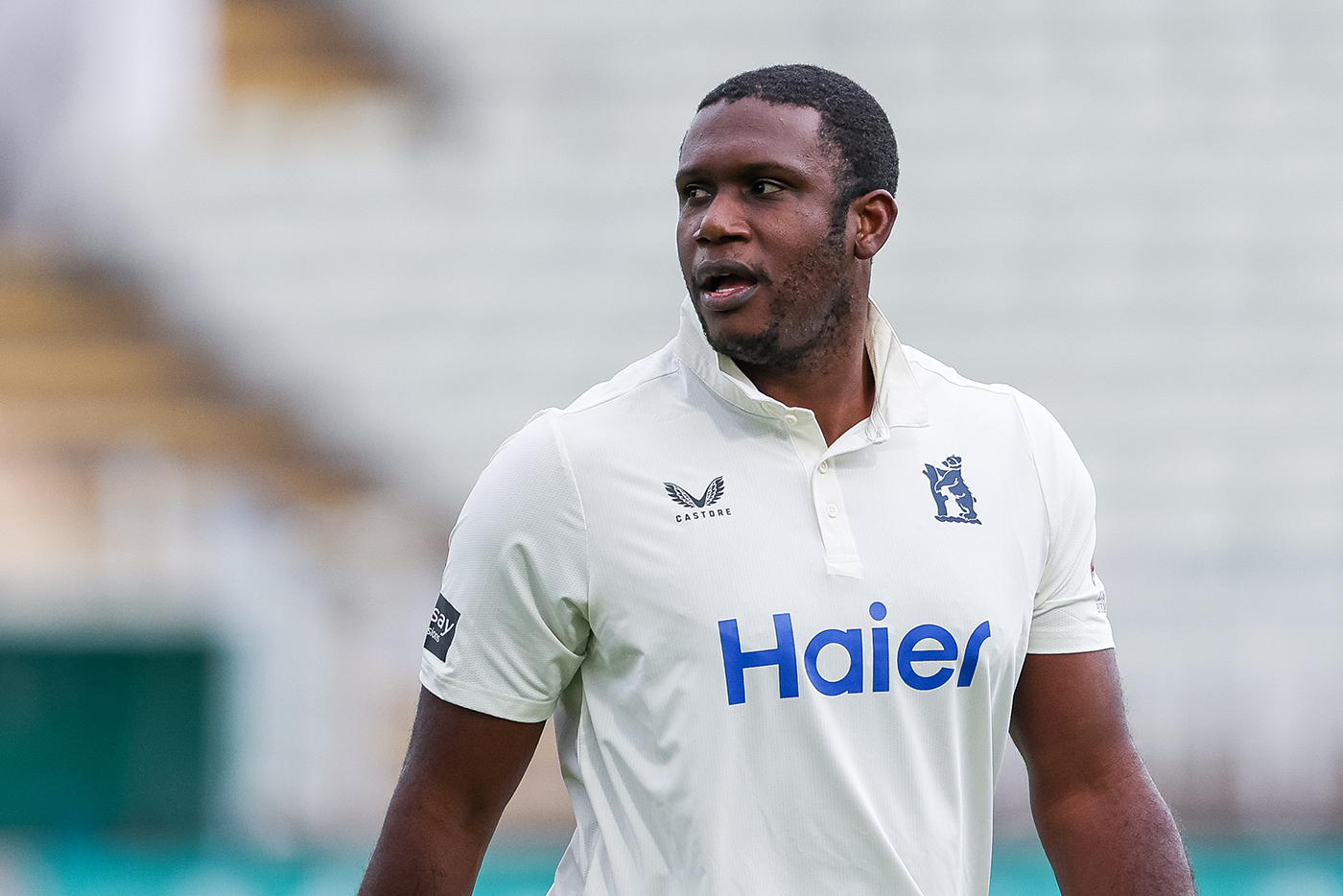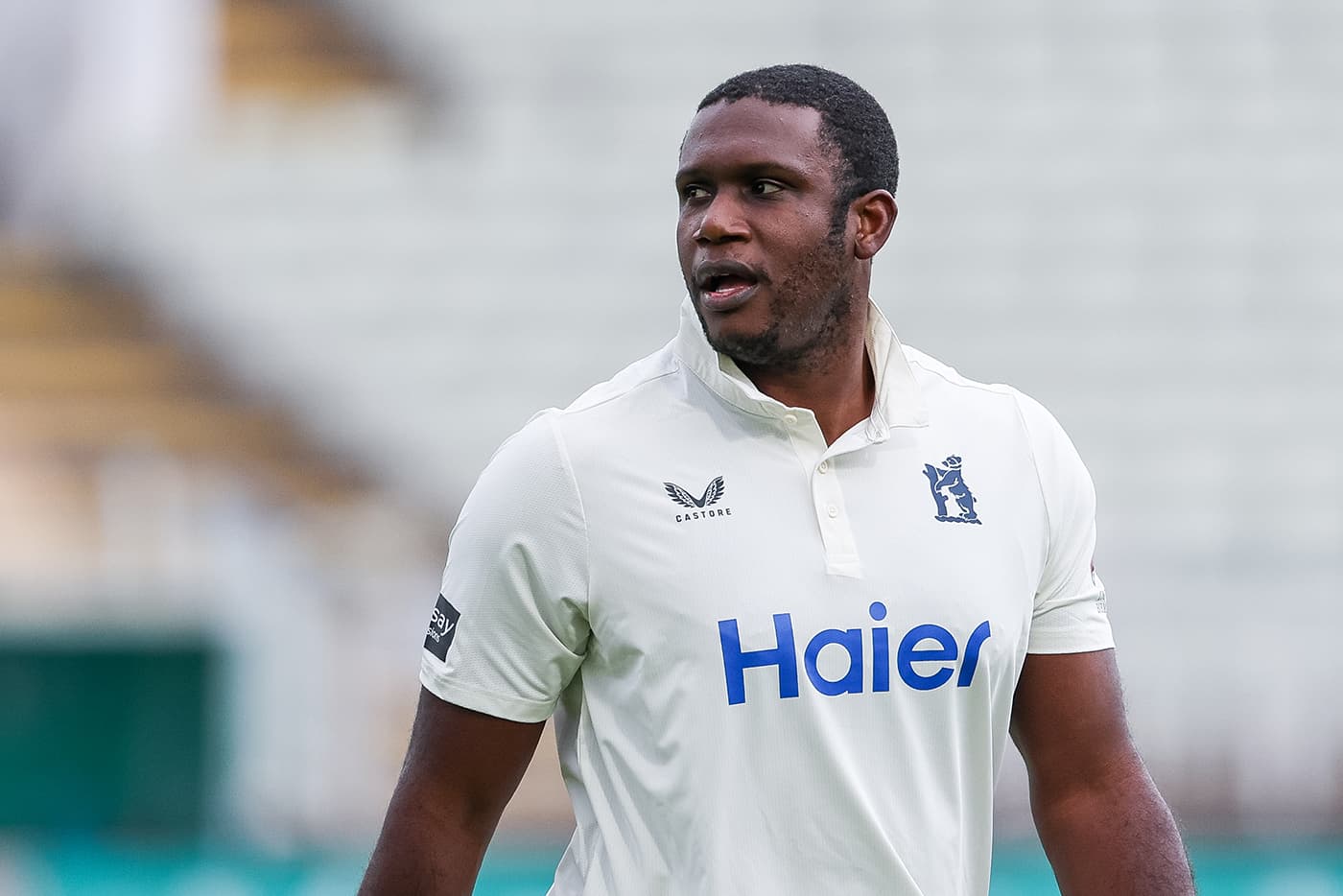
Keith Barker Calls Time on His Career
In a heartfelt announcement, Keith Barker, the seasoned allrounder, has decided to retire from professional cricket after an illustrious 17-season journey. Barker, who returned to Warwickshire this summer at the age of 39, has battled injuries, particularly a troublesome knee complaint, which ultimately influenced his decision to step away from the game. Known for his resilience and commitment, Barker’s career has been a testament to the harsh realities of professional sport, where physical limitations can dictate the longevity of one’s aspirations.
Barker's journey is a narrative of grit and determination. He first made his mark with Warwickshire in 2006, cementing his place as a reliable player capable of changing the course of a match with both bat and ball. Over the years, he became a central figure in the team, contributing significantly to their domestic successes. This experience in various formats of the game, including List A and T20s, showcased his versatility and made him a respected figure in English cricket.

A Career of Ups and Downs
Despite his achievements, Barker’s career was not without its challenges. Injuries plagued him throughout, limiting his appearances in crucial matches. Each setback was met with a fighting spirit, and upon his return, he often delivered match-winning performances, proving his worth time and again. His ability to perform under pressure was particularly evident during the domestic T20 competitions, where Barker displayed his allround skills, often contributing vital runs down the order while maintaining an economy rate that made him an asset in the death overs.
Barker’s experience transcended beyond his individual performances. He was a player who commanded respect in the dressing room and offered invaluable guidance to younger teammates. His mentorship was particularly evident at Warwickshire, where he played a pivotal role in nurturing emerging talents. The camaraderie and team spirit he fostered contributed to a positive environment that often translated into on-field success.
However, as his body began to betray him, the relentless grind of professional cricket took its toll. The knee injury that ultimately led to his retirement serves as a somber reminder of the physical demands placed on athletes at the highest level. Barker’s story is not just about the runs scored or wickets taken, but also about the perseverance shown in the face of adversity. His retirement is a significant loss for Warwickshire and English cricket as a whole.
Reflecting on a Legacy
As we reflect on Barker’s legacy, it's essential to highlight his contributions to the game. His name may not resonate globally like some of his peers, but within the circles of county cricket, he leaves behind a rich legacy. Barker's ability to adapt to different formats and conditions made him a valuable asset. His performances in the County Championship highlighted his skill in both bowling and batting, making him a genuine allrounder who often turned games on their heads. From crafting a crucial innings to bowling yorkers at will, Barker has left an indelible mark.
His understanding of the game and tactical nous were evident in his performances. Barker was known for his astute reading of the game, often making strategic decisions on the field that turned the tide in favor of his team. He was not just a player but a thinker of the game, often contributing to the team’s tactical discussions, especially during tight matches.
As he retires, the cricketing community stands ready to acknowledge his contributions. The impact he had on young players during his time at Warwickshire will be felt for years to come. As the club looks to the future, they will undoubtedly lean on the foundation laid by seasoned pros like Barker.
The Next Chapter
Retirement, however, does not mark the end of Barker’s journey in cricket. With a wealth of experience and knowledge, he could easily transition into a coaching role. The prospect of him mentoring a new generation of cricketers is an exciting one. His insights could help mold the next wave of talent in English cricket. The future of cricket in the country might benefit greatly from having Barker’s tactical acumen and passion within coaching setups.
As the cricketing world bids farewell to Keith Barker, it is crucial to remember the memories he created, the victories he contributed to, and the sportsmanship he embodied. His journey serves as an inspiration for aspiring players, showcasing the importance of resilience and determination in the face of challenges. As he steps away from the limelight, fans and players alike will cherish his contributions and celebrate a career that has spanned nearly two decades.
For further reading on the shifting dynamics of cricket in the UK, check out our articles on the European T20 Premier League and the changing landscape of county cricket amidst international pressures.
In closing, Keith Barker's retirement is a poignant reminder of the impermanence of athletic careers. His journey reflects the beauty and brutality of sport, a world where every player must eventually hang up their boots. Whether he chooses to stay within the cricketing community or pursue new ventures, his legacy will undoubtedly endure, inspiring future generations.
Conclusion
As we look forward to the next chapter for Barker, one can only hope that his journey continues to inspire. His story is a testament to hard work, dedication, and the love of the game. Keith Barker may have retired from playing, but his influence on the sport will resonate for years to come.