The Future of Test Cricket: A Call for Balance
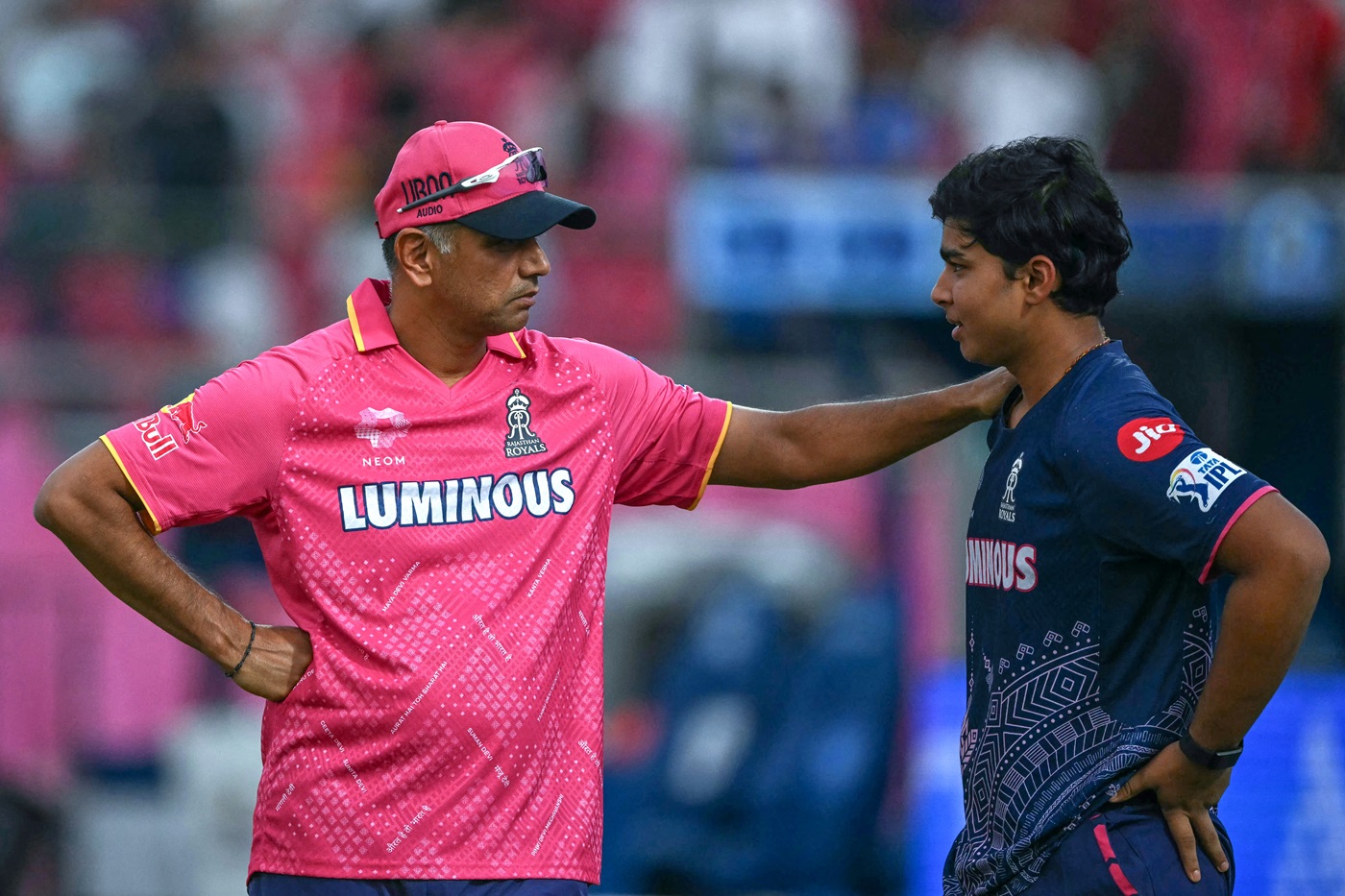
In the ever-evolving world of cricket, the voices of former legends carry weight. Rahul Dravid, a stalwart of Indian cricket and a passionate advocate for the game's longer formats, has made it clear that the future of Test cricket hinges on nurturing players who can excel across all formats. His recent comments surrounding the development of Sooryavanshi, a young talent, underscore a growing concern about the future of the format and the pathways available for budding cricketers.
Dravid's argument is straightforward yet profound: cricketers like Sooryavanshi must be given the opportunity to thrive in both white-ball and red-ball formats. He believes that balancing the demands of various formats will not only enhance players' skills but also ensure that the Test format remains relevant and competitive. This sentiment echoes throughout the cricketing community, where the decline in red-ball participation is a worrying trend.
The Duality of Cricket Formats
Sooryavanshi, who has caught the eye of selectors due to his performances in domestic leagues, is at a pivotal stage in his career. Dravid's call for a holistic approach to his development reflects a recognition of the unique pressures and skills involved in playing Test cricket compared to limited-overs formats. Nurturing a player like Sooryavanshi means fostering patience and technique, attributes often overshadowed by the immediate rewards of T20 cricket.
Test cricket, often regarded as the ultimate test of a player's skill, demands a level of concentration and resilience that many young players struggle to master. Dravid's insistence on players effectively transitioning between formats is crucial. The advent of T20 leagues has influenced the mindset of players, often prioritizing quick runs over the more nuanced approach required in Tests.

The Role of Coaches and Mentors
Coaches play an essential role in shaping the next generation of cricketers. Dravid's focus on Sooryavanshi reflects a broader need for mentorship in cricket. It's not just about technical skills; it's also about ingraining a mindset that values the nuances of the game. Players must be encouraged to appreciate the history and significance of Test cricket, with its unique rhythms and challenges.
The changing landscape of cricket, particularly with the IPL and other T20 leagues, has made it crucial for players to adapt quickly. While the excitement of hitting sixes is undeniable, future stars must also learn to build an innings, understanding when to defend and when to attack. This duality can only be achieved through careful management of a player's exposure to different formats.
Cricketing Institutions' Responsibility
As the custodians of the game, cricketing institutions must take responsibility for fostering this balance. Whether it’s through academic programs for young players or structured tournaments that allow for red-ball exposure, the groundwork for a successful transition must be laid early. Dravid's vision for Sooryavanshi is a clarion call for all stakeholders in the game.
By creating an environment where young players can thrive in both formats, cricketing bodies can help ensure that Test cricket doesn't become a relic of the past. The challenge lies in convincing young cricketers that success in Tests is as prestigious and rewarding as success in T20s. This shift in perception is vital for the long-term health of the format.
The Cultural Shift in Cricket
Globally, cricket is experiencing a cultural shift. The rapid rise of T20 cricket has brought a new audience to the game, one that often prioritizes entertainment over tradition. Dravid’s insights into the development of players like Sooryavanshi highlight a crucial aspect: maintaining the balance between evolving formats and respecting the game's heritage. This can lead to a richer, more diverse cricketing culture. As cricket continues to adapt, it’s imperative to remember the foundations upon which the game is built.
The lessons learned on the Test field—patience, strategy, and resilience—are invaluable. They not only contribute to individual player growth but also to the overall health of the sport. Dravid's message should resonate with coaches, players, and cricketing authorities alike: the duality of formats should not be seen as a conflict but rather as an opportunity to produce well-rounded cricketers.

Looking Ahead: The Roadmap for Success
Looking forward, the roadmap for developing players like Sooryavanshi should be clear. There must be a structured approach to their training, ensuring they are well-versed in the nuances of Test cricket while also being able to adapt to the fast-paced environment of T20. This can be achieved through specialized coaching and tailored programs that balance both formats.
In conclusion, Dravid's advocacy for nurturing talents like Sooryavanshi is not just about cricketing skills; it’s about preserving the essence of Test cricket for future generations. As the game evolves, so too must our approach to player development, ensuring that the rich traditions of cricket are passed down while embracing the innovations of the modern game. For more insights on player dynamics, read about R Ashwin's Trust Issues Reflect on Team Dynamics. It’s a delicate dance, but one that must be navigated for the future of cricket to flourish.