The Rise of IPL Franchises
The Indian Premier League (IPL) has not just redefined cricket but has also restructured the financial architecture of sports franchises globally. In a mere 15 years, IPL teams have transitioned from modest sports clubs to billion-dollar enterprises, showcasing how cricket can be leveraged for immense economic gain.
With the ongoing discussions about the Asian Games 2026 and the potential impact on cricket in India, it is crucial to analyze the economic factors that underpin the IPL's success. The league has attracted global attention and investment, making it a hotbed for talent and a lucrative business venture.
The IPL Economic Model
At the heart of the IPL's financial success is a unique economic model that combines broadcasting rights, sponsorships, and ticket sales. The league's broadcasting rights were sold for a staggering ₹48,390 crores (approximately $6 billion) for five years. This monumental deal with Viacom18 is indicative of the IPL's place in the global sports market. With an average of 400 million viewers in India alone, the league consistently garners the highest television ratings, making it an attractive investment for sponsors and advertisers.

Franchises earn a significant portion of their revenue from local and international sponsorships. Companies like Dream11 and Paytm have emerged as key sponsors, investing heavily to gain visibility. The unique appeal of the IPL, which blends entertainment and sport, allows for creative partnerships that resonate with fans.
Player Salaries and Auctions
The player auction has become a spectacle in itself, where franchises bid aggressively to secure top talent. Star players like Virat Kohli and Jasprit Bumrah command staggering salaries, often exceeding ₹15 crores for a single season. This auction dynamic creates a competitive environment, pushing franchises to innovate in their strategies for team composition.
The economics of player salaries also reflects the growing importance of individual branding in cricket. Players are not just athletes; they are global icons whose marketability can significantly influence a franchise's value.
Global Expansion and International Players
As the IPL continues to grow, franchises have expanded their horizons beyond Indian talent. The inclusion of international players has not only raised the competitive standard but has also attracted a diverse fan base. Teams such as Chennai Super Kings (CSK) and Kolkata Knight Riders (KKR) have successfully integrated international stars into their squads, enhancing their global appeal.
The IPL's model has inspired other leagues worldwide, as seen in the recent launch of the Afghanistan Premier League T20. This trend exemplifies how the financial success of the IPL has created a ripple effect, encouraging other cricketing nations to explore similar ventures. Related internal historical context: Afghanistan Premier League T20 Launches with Exciting Teams and Trophy
The Impact of Fan Engagement
The IPL's success can also be attributed to its focus on fan engagement. Teams leverage social media platforms to foster a connection with their audience. This engagement translates into higher ticket sales and merchandise purchases. The IPL season has become a cultural phenomenon, with fans donning team colors and participating in watch parties across the country.
The economic model of the IPL prioritizes fan experience. From electrifying performances during the opening ceremony to halftime shows featuring Bollywood celebrities, the league is engineered to captivate audiences. This blend of cricket and entertainment has established the IPL as a pioneer in sports marketing.
Challenges Facing the IPL
However, the IPL is not without its challenges. The financial model, while successful, is reliant on constant growth. As the league expands, franchises face the dual challenge of maintaining competitiveness while managing costs. The introduction of the Women's Premier League (WPL) and other cricket formats could dilute talent pools and fan interest, leading to potential economic repercussions.
Moreover, the sustainability of the IPL's model will be tested in the coming years. With rising player salaries and increasing operational costs, franchises must adapt to the evolving landscape. This includes making strategic investments in grassroots cricket to ensure a steady flow of talent.
Looking Ahead: The Asian Games 2026
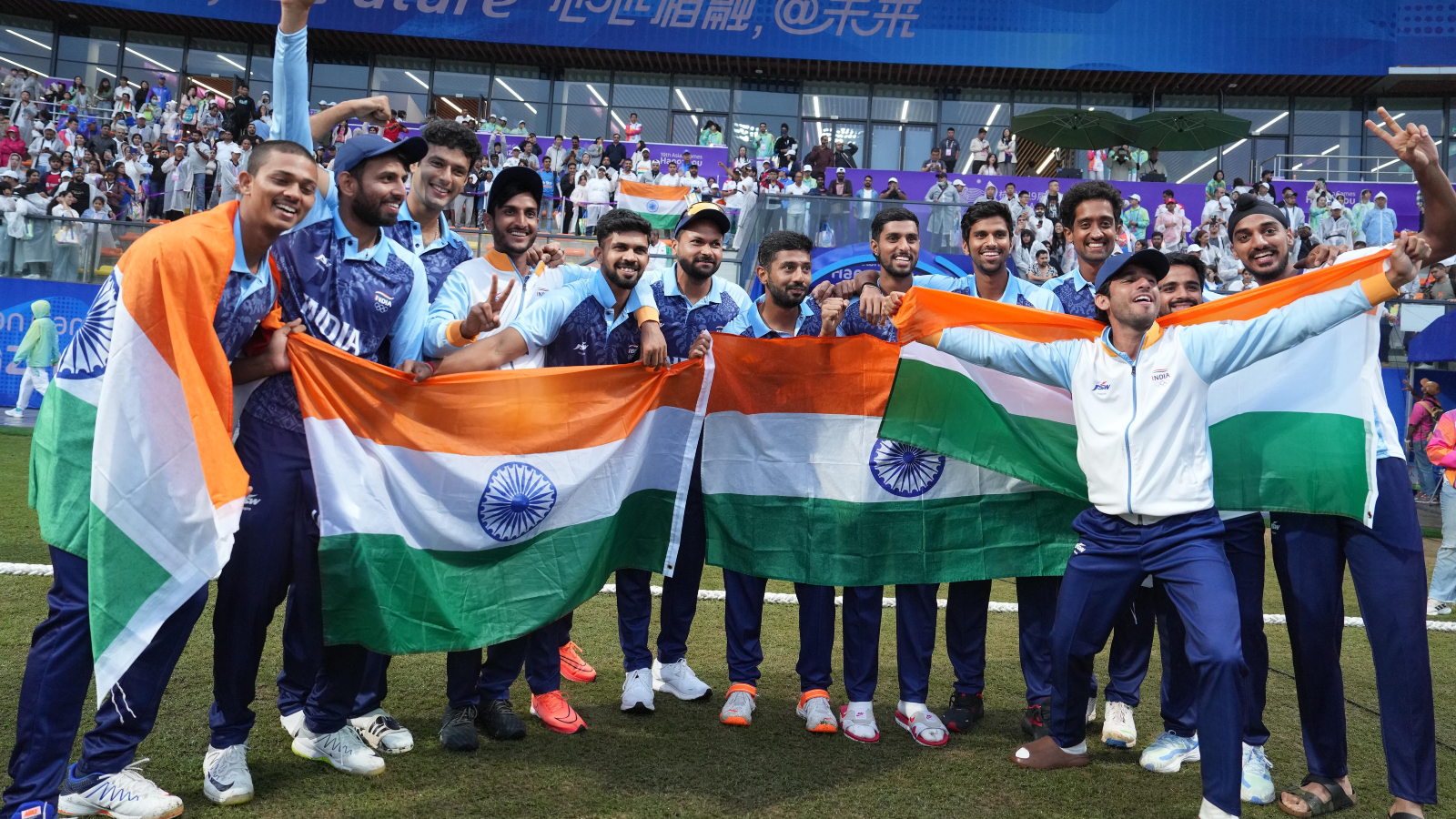
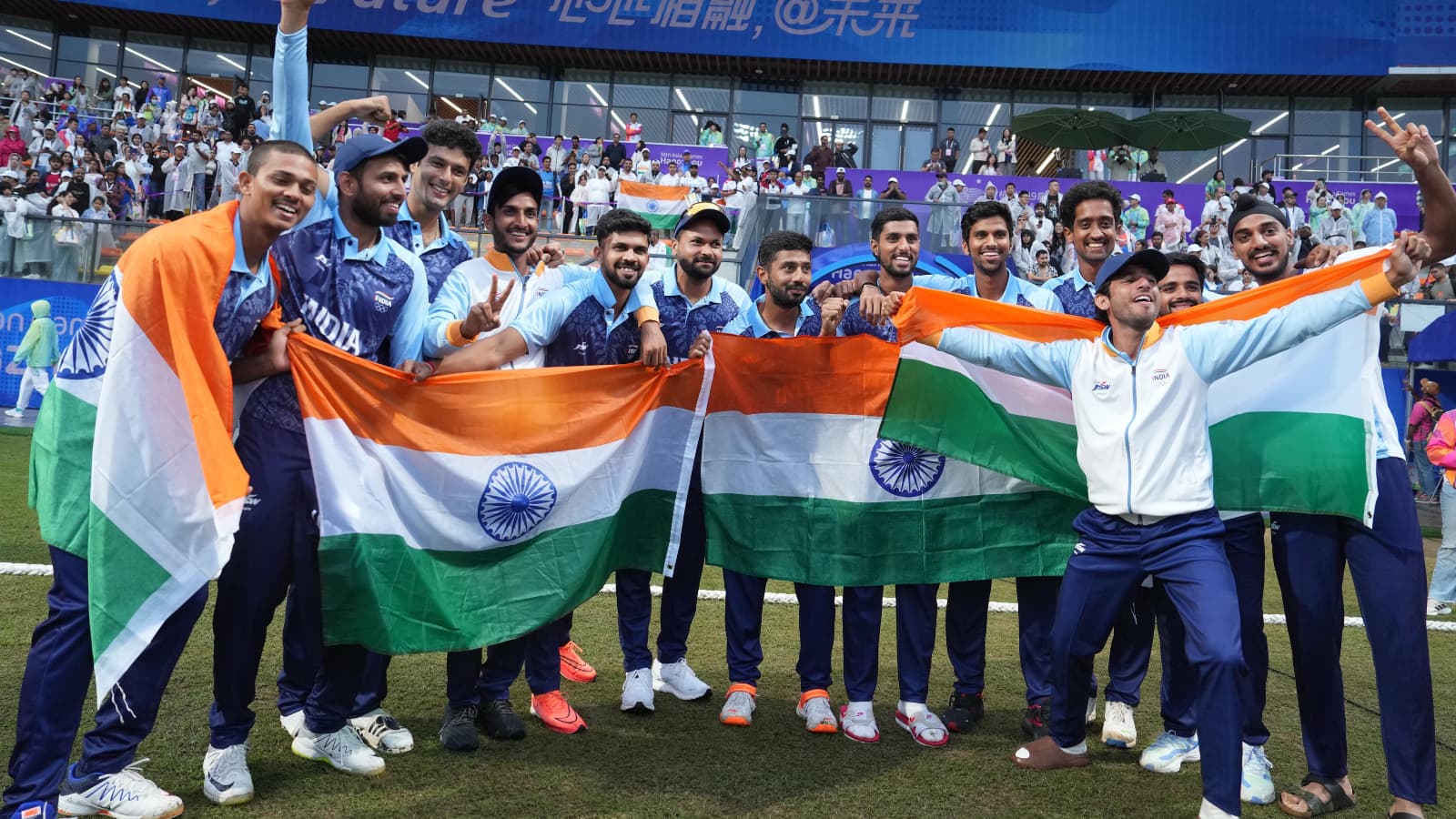
As the cricketing world turns its attention to the Asian Games in 2026, the IPL's economic framework will undoubtedly come into play. India’s cricketing prowess will be showcased on a global platform, potentially leading to a further influx of investments. For instance, the Asian Games could present an opportunity for IPL franchises to build on their brand equity and engage with a broader audience.
The pressures of international competition will force franchises to adapt and innovate continually. The success of Indian cricket on the global stage will only amplify the IPL’s stature as a premier cricketing league.
Conclusion: A Billion-Dollar Vision
In conclusion, the evolution of IPL franchises from mere cricket teams to billion-dollar enterprises signifies a major shift in the world of sports. The financial strategies employed, combined with a strong focus on fan engagement, have set a standard that other leagues aspire to achieve. As the IPL braces for the future, it remains a potent symbol of cricketing prowess and economic opportunity.
For more insights into the evolution of cricket, check out our coverage on Ramiz Raja's stark warning to Pakistan cricket and how teams worldwide are adapting to the growing economic landscape. Ramiz Raja's Stark Warning to Pakistan Cricket: Time to Change
As we look forward to the future, one thing is certain: the IPL has not just changed cricket; it has changed the game of sports business forever.