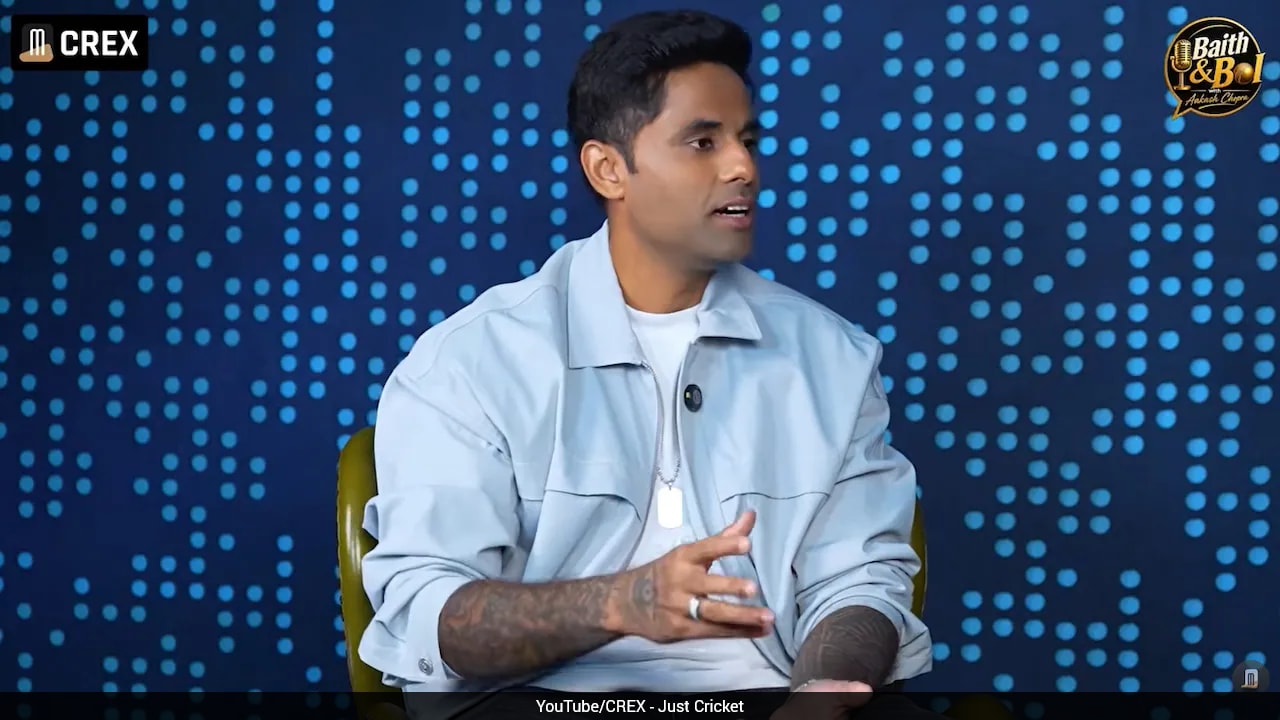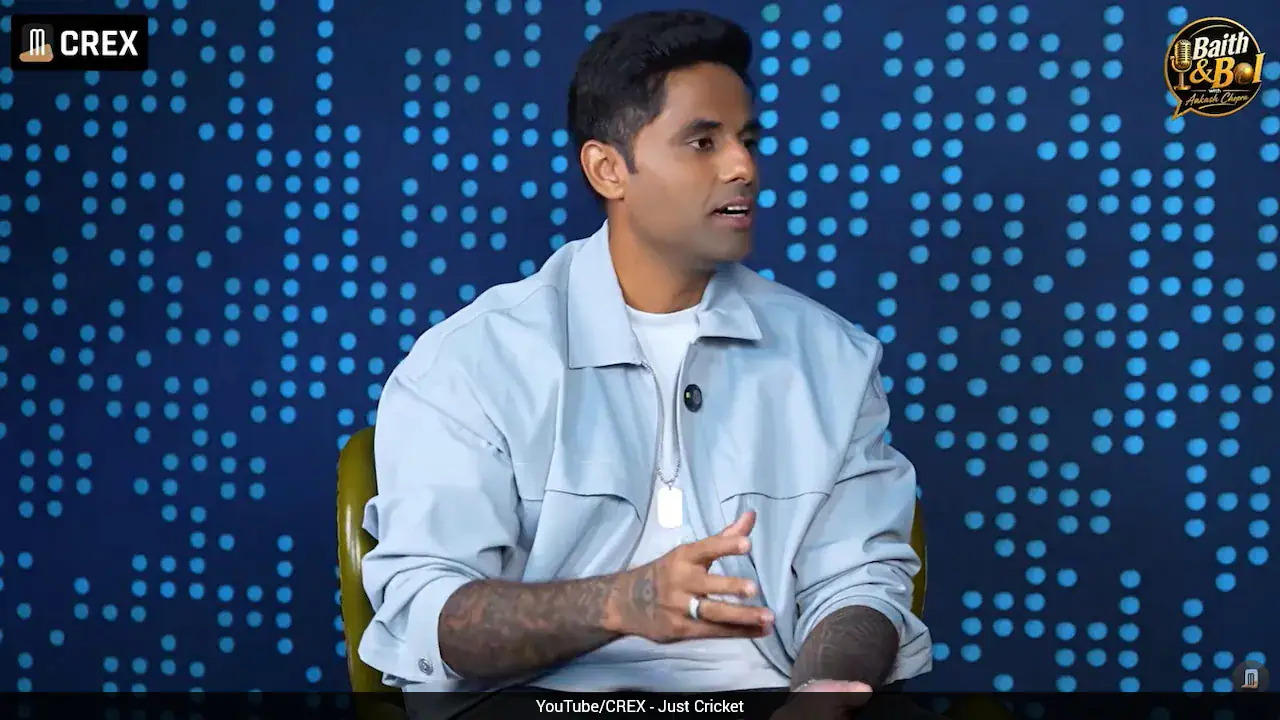
Yadav's Sudden Exit: A Shocking Turn
In a move that caught many by surprise, Suryakumar Yadav revealed his feelings regarding his recent sacking as the T20I captain of the Indian cricket team. The BCCI selection committee's decision to relieve him of his duties came with the somber message that it was 'time to move on.' The timing of this announcement raises questions about the Board's vision for the future of the format, particularly given India's recent performances on the world stage.
Yadav, who took the reins after India's successful T20 World Cup campaign in 2024, expressed his disbelief. "How can this happen?" he stated, reflecting the emotions that many fans and cricket analysts felt upon hearing the news. This abrupt decision not only affects Yadav's career but also shapes the direction of Indian cricket as it prepares for upcoming challenges. It seems that a leadership vacuum has emerged at a crucial juncture, adding to the speculation surrounding the team’s future.

The Context of His Captaincy
Suryakumar Yadav's tenure as captain was marked by a distinct flair and aggressive approach, which resonated well with the T20 format. He led India to triumph in the 2026 T20 World Cup, a feat that further solidified his place in the hearts of Indian cricket fans. However, the cricketing landscape is unforgiving; performances in a few series can overshadow stellar achievements. The BCCI’s decision seemed to hinge on a belief that a change in leadership could reinvigorate the squad.
Analysts suggest that this decision may have been influenced by India’s sporadic form in T20 matches leading up to the World Cup. While Yadav's leadership was gaining recognition, the selectors clearly felt a need for a different approach as the team gears up for future competitions. Some fans and commentators have rallied behind him, arguing that consistency and morale are crucial components of a successful side that should not be undermined by a few bad outings.
Reflecting on the Journey
The journey of Yadav's captaincy brought with it a myriad of experiences. It was not just about the wins and losses; it was also about the evolution of a team. Under Yadav, players like Ishan Kishan and Deepak Hooda emerged as key figures, showcasing their abilities on the global stage. Yet, with the Board’s decision to appoint a new captain, concerns arise about the impact on team chemistry that Yadav had fostered.
Yadav's leadership style, characterized by his emphasis on aggressive batting and strategic field placements, brought a new dimension to the Indian team. However, with the BCCI's latest directive, the focus shifts to the next captain and how they will handle the immense pressure of international cricket. The cricketing world is left speculating about who will take up the mantle next.
Historical Comparisons and Future Implications
This is not the first time the Indian cricket team has seen a sudden shift in leadership. Past transitions have often resulted in a mixed bag of outcomes. For instance, the transition from MS Dhoni to Virat Kohli brought immediate success, yet the subsequent years under Kohli raised questions about the team’s long-term trajectory. Similarly, the decision to appoint a new captain following Yadav's exit may either rejuvenate the squad or lead to further instability.
The BCCI has historically faced criticism for its handling of captaincy changes. The silence surrounding Yadav's dismissal resonates with a broader concern among players regarding communication and transparency within the Board. Such a lack of clarity can have a detrimental effect on player morale and the overall atmosphere within the team. Critics argue that a clearer vision and more supportive approach from the Board could lead to better performances and sustained success.
The Bigger Picture of Indian Cricket
Indian cricket is at a crossroads. With the 2026 T20 World Cup win in the backdrop, the stakes for the team are higher than ever. The Board’s decision to move on from Yadav begs the question: what does the future hold? The new captain, whoever that may be, will need to navigate not just the expectations of fans but also the pressure of the international stage.
This scenario is exacerbated by the rising talents in the Indian domestic circuit. Players like Anaya Bangar are making headlines, showcasing the growing diversity and depth in Indian cricket. As the game evolves, so too must the leadership that steers it forward. The BCCI faces the monumental task of balancing tradition with innovative strategies that embrace inclusivity and foster talent.
Conclusion: A Call for Stability
The sacking of Suryakumar Yadav as T20I captain serves as a wake-up call for Indian cricket. It is imperative for the BCCI to foster a culture of stability and communication. As fans, we hope that the Board will learn from past experiences and ensure that the next leadership transition is marked by clear goals and a cohesive vision.
As Yadav steps back, he remains a pivotal player in the T20 format, and his contributions to Indian cricket cannot be overlooked. His journey, though punctuated by this setback, is a testament to resilience. The cricketing community now watches closely as the BCCI prepares to unveil its next move in this dynamic game.
For a detailed analysis on the implications of leadership changes in cricket, check out our article on Kaif's thoughts on India without Kohli.
The road ahead will be challenging, but with the right leadership, Indian cricket can certainly aim for success again.