The Revolutionary Move by MCA
In a landmark decision, the Mumbai Cricket Association (MCA) has become the first state cricket board in India to award equal pay to its male and female players. This progressive move is not just a nod to gender equality but a significant step toward leveling the playing field in a sport that has historically favoured male athletes. With annual retainers set at INR 12 lakh for Grade A players, INR 8 lakh for Grade B, and INR 6 lakh for Grade C, the MCA has set a precedent that could inspire other state boards to follow suit. The announcement has been met with enthusiasm and appreciation by players and fans alike, marking a new chapter in Indian cricket.
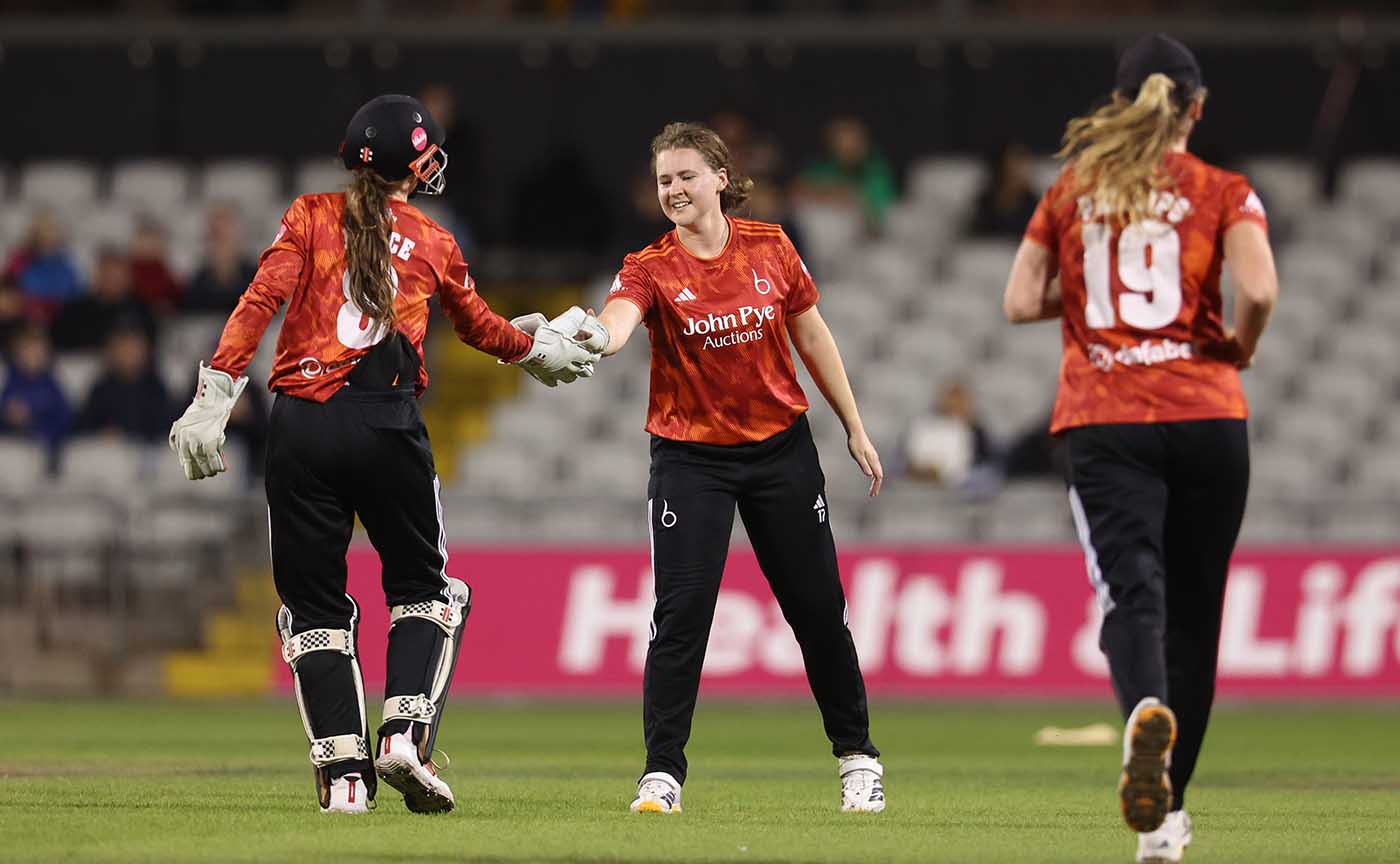
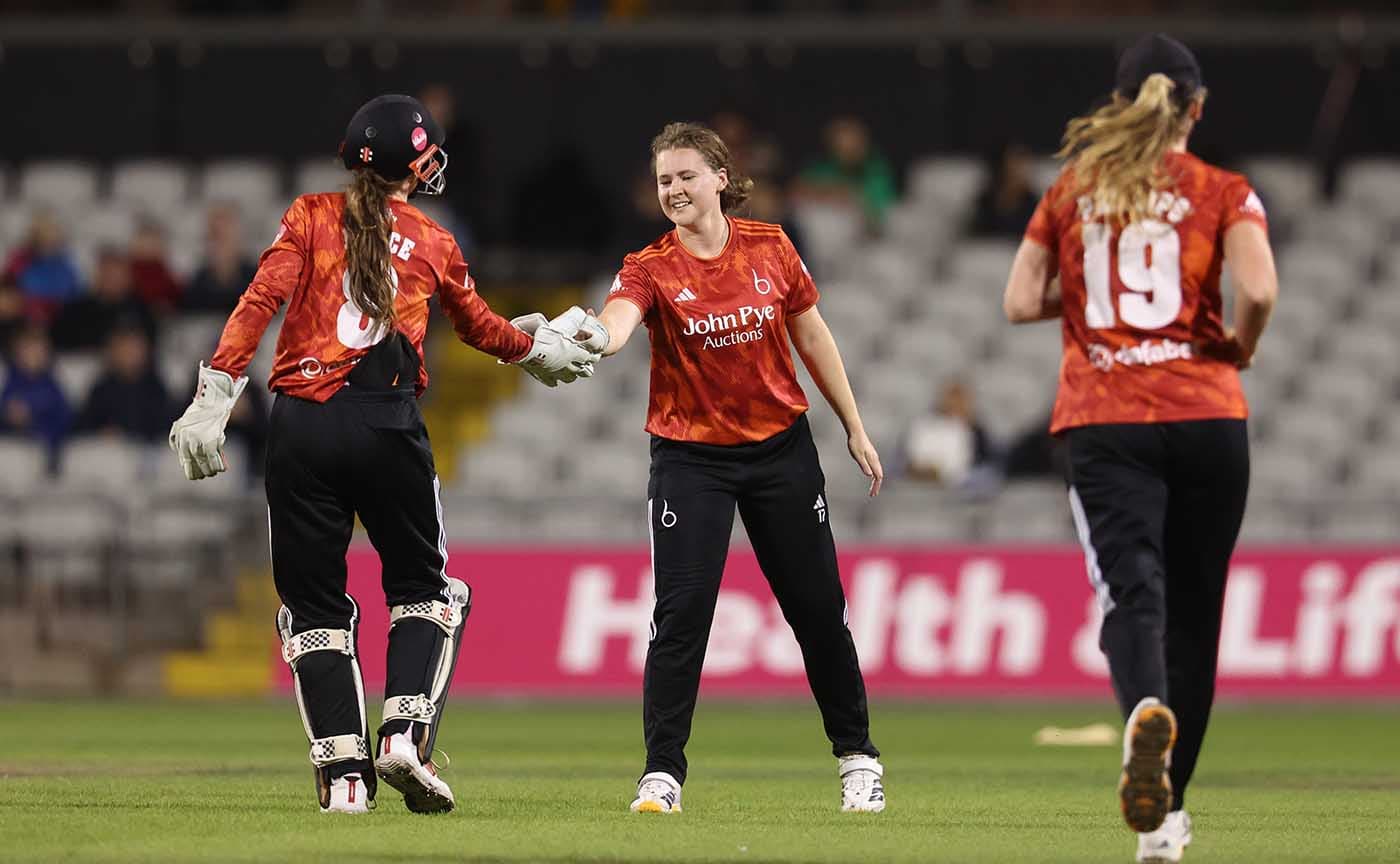
The decision comes in the wake of increasing recognition of women's cricket, highlighted by Scotland international Kathryn Bryce's impressive performance leading The Blaze to a T20 double. Bryce showcased her all-round abilities by taking 4 wickets for 18 runs and scoring an unbeaten 38 in a rain-affected final against Surrey. Events like these emphasize the demand for greater investment in women's cricket, not only in terms of salary but also in terms of facilities and exposure.

A Step Forward for Women's Cricket
The MCA's initiative is particularly significant considering the disparity that has existed in the sport. For far too long, female cricketers have been underpaid and often overlooked in terms of sponsorships and media coverage. By implementing equal pay, the MCA sends a clear message: women's cricket is just as valuable as men's cricket. This move could potentially pave the way for female cricketing stars to gain the recognition they deserve.
The momentum for change has been building for years, fueled by the rise of women's cricket on the global platform. The Women's T20 World Cup and various domestic leagues have showcased the talent and competitiveness of female players. As audiences grow and engage with women's cricket, it's apparent that there is a market for equal investment. This shift in pay structure could encourage more young girls to take up the sport, knowing that a viable career path awaits them.
The Ripple Effect of Equal Pay
The implications of the MCA's decision extend beyond just monetary compensation. Equal pay could lead to improved standards in training, coaching, and facilities for women cricketers. Enhanced investment in women's cricket will likely lead to better performance on the field. As the female game grows, the talent pool will deepen, resulting in a more competitive environment that mirrors the men's game.
With the spotlight now on Mumbai, other state associations may feel the pressure to follow suit. The Board of Control for Cricket in India (BCCI) has already made strides in promoting women's cricket, but the MCA's initiative adds another layer of urgency. The BCCI's commitment to women's cricket has been evident, but translating this into action at the state level is crucial for the sustainability of the sport.
Bridging the Gap in Cricketing Culture
The cultural shift towards equal pay is not just about finances; it reflects a broader change in societal attitudes towards gender equality in sports. The cricketing culture in India is evolving, and the MCA's decision is a significant part of this transformation. The voices of female cricketers are becoming louder, and their contributions are increasingly being acknowledged.
As the world of cricket embraces this change, it is essential for the media to elevate the profiles of female players. Coverage of women's cricket needs to be as robust as that of men's cricket. This includes broadcasting matches, featuring them in sports reports, and ensuring that their stories are told. The more visibility female cricketers receive, the more likely it is that young girls will aspire to emulate them.
The Future of Cricket in India
The MCA's equal pay initiative aligns with a growing global movement toward gender parity in sports. Countries like Australia and England have already made significant strides in this area, and India must keep pace. The success of women's cricket in India depends on continued investment and support at all levels.
The upcoming IPL season will be a critical juncture. With the league's immense popularity, it could serve as a platform to promote women's cricket further. If women's matches were integrated into the IPL format or a separate women's league was established, it would significantly enhance the visibility and financial backing of the female game.
Kathryn Bryce's performance for The Blaze serves as a reminder of the talent present in women's cricket. As she continues to shine on the international stage, her achievements could inspire a new generation of female cricketers in India. The MCA's decision to pay equally will not only uplift current players but also encourage aspiring cricketers to dream big.
Conclusion: A New Dawn for Equality
The MCA's bold move represents an essential leap towards equality in cricket. With equal pay now a reality, female cricketers in Mumbai and beyond can focus on their game without the added burden of financial insecurity. The challenge now lies in maintaining this momentum and ensuring that women's cricket receives the support it needs to thrive.
As we look ahead, the impact of the MCA's decision will likely resonate throughout the cricketing community. If other associations follow suit, the landscape of cricket in India could experience a rapid transformation, bringing us closer to true equality on the field. The time has come for women's cricket to shine, and with initiatives like these, the future looks promising.
For more insights on women's cricket, check out our coverage on Eathan Bosch's debut and Suryakumar Yadav's reflections on T20I captaincy.