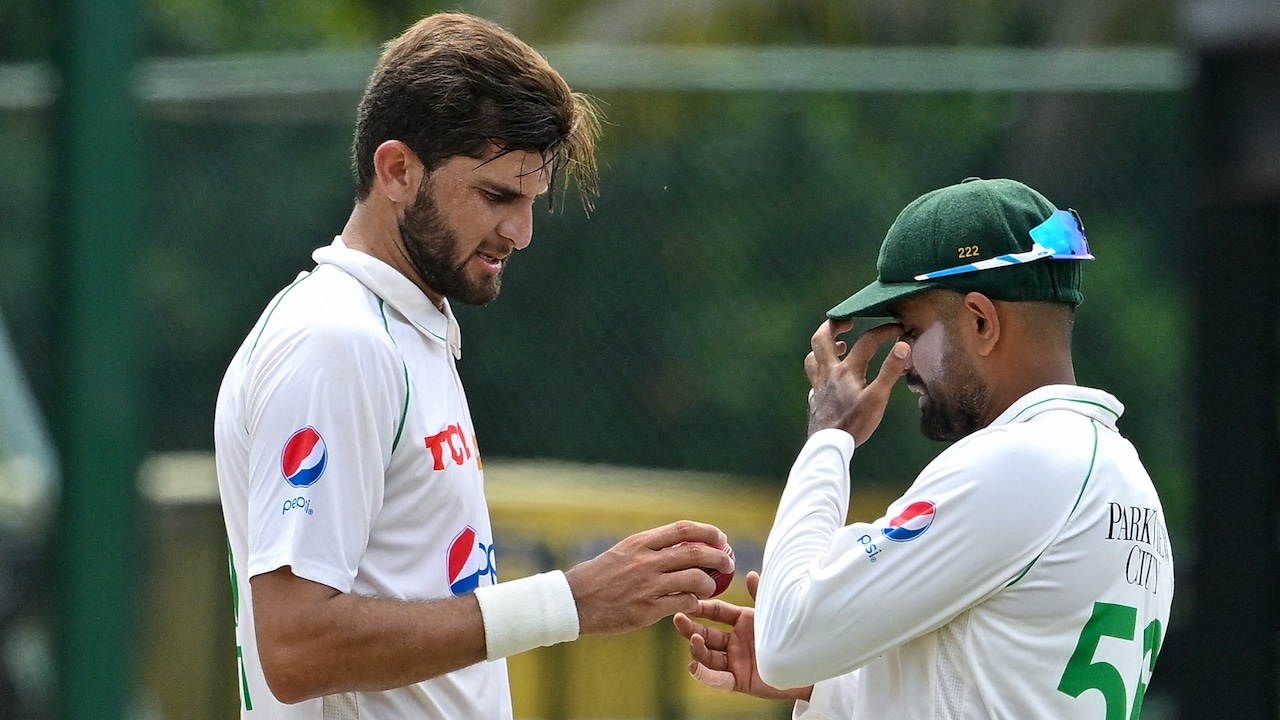
A Tipping Point for Pakistan Cricket
In recent weeks, the cricketing world has been buzzing with speculation surrounding the internal dynamics of the Pakistan national team. Reports of a rift between captain Babar Azam and star bowler Shaheen Afridi have emerged, raising questions about the team's leadership and overall morale. With Pakistan's cricketing fortunes at a low point, this discord could not have come at a worse time.
Pakistan's cricketing history is rich and illustrious, marked by stellar performances and iconic moments. However, the recent past has been marred by inconsistencies and disappointments. As the team faces a crucial period with upcoming international fixtures, the friction between two of its most prominent figures casts a long shadow over the squad's preparations.

The Rumored Rift
Sources indicate that the reported rift between Babar Azam and Shaheen Afridi is not merely a product of speculation but a reflection of deeper issues within the team. Both players are considered keystones of the squad, and their relationship is crucial for maintaining a unified front. Babar, known for his calm demeanor and strategic acumen, contrasts with Afridi's fiery on-field presence. Such contrasting personalities can lead to clashes, particularly in high-pressure scenarios.
The fallout from this rift has implications beyond mere locker room disagreements. Internal unity is vital for any team aiming for success, and when leading figures are at odds, it can create a toxic environment. This turmoil comes at a time when the team needs to coalesce, especially after a series of underwhelming performances that have left fans disheartened. The pressure is mounting, and with every passing day, the narrative surrounding the team becomes more complex.
Leadership Crisis
The leadership crisis is not confined to the star players. Reports suggest that the coaching staff is also feeling the strain of the deteriorating situation. The lack of cohesion among senior members affects the younger players, who often look to their seniors for guidance. If the leaders are divided, it can lead to a trickle-down effect, resulting in confusion and lack of direction among the squad.
In the wake of these issues, the Pakistan Cricket Board (PCB) faces tough decisions. Will they choose to intervene and mediate the situation, or will they allow the players to resolve the conflict independently? History suggests that PCB's handling of internal matters has not always been smooth. The board's past decisions will weigh heavily on its current strategy, as it navigates this critical juncture in the team's journey. The potential for further dissent looms large, and the PCB must act swiftly to prevent a full-blown crisis.
Impact on Upcoming Fixtures
With the T20I series against Afghanistan approaching, the timing of this turmoil could not be worse. Pakistan's recent performances have raised eyebrows, and fans are eager to see a turnaround. Babar Azam's form as a batsman has been inconsistent, and as captain, he carries the weight of responsibility. He must not only lead from the front with his bat but also inspire confidence among his teammates. The pressure on Afridi, too, is palpable. As one of the leading fast bowlers, he is expected to deliver match-winning performances, but personal strife may hinder his focus.
The upcoming fixtures are crucial for both players and the team as a whole. A successful series could provide the much-needed boost to mend the fractures within the squad. Conversely, a poor outing could exacerbate existing tensions, leading to a downward spiral that would be challenging to recover from. Fans will be watching with bated breath, hoping for a semblance of unity on the field, despite the growing concerns off it.
The Fans' Perspective
The passionate cricket fans of Pakistan are understandably concerned. The atmosphere around the team has shifted, and the faithful supporters are eager for a return to glory. The fans have witnessed the highs of the past, and they crave the return of a competitive Pakistan outfit. Their support can be a double-edged sword; while they can rally behind the team, they can also become vocal critics when performances falter.
This situation requires not only tactical adjustments but also emotional intelligence from both Babar and Shaheen. They must recognize the importance of fostering a positive environment, rather than letting their disagreements hinder the team's potential. The fans are counting on them to rise above personal conflicts and lead Pakistan cricket back to its rightful place among the elite.
Looking Ahead
As cricket continues to evolve, the role of leadership becomes increasingly critical. With the advent of the IPL and other T20 leagues, the pressure on international players has intensified. Babar Azam and Shaheen Afridi are no strangers to this pressure, yet they must navigate these turbulent waters together. If they can overcome their differences and unite for the greater good, there remains hope for a resurgence in Pakistan cricket.
The upcoming series against Afghanistan will serve as a litmus test for the team. Can they put aside their personal disputes and focus on the task at hand? Only time will tell, but the cricketing world watches with keen interest. The stakes are high, and both Babar and Shaheen must remember that the success of the team far outweighs individual grievances.

In the end, the future of Pakistan cricket hinges on the ability of its leaders to collaborate and inspire. Whether they can come together at this critical juncture will determine the trajectory of their upcoming matches and potentially reshape the future of cricket in Pakistan. As the countdown to the matches begins, fans can only hope for a show of unity that will lead to a much-needed turnaround in fortunes.