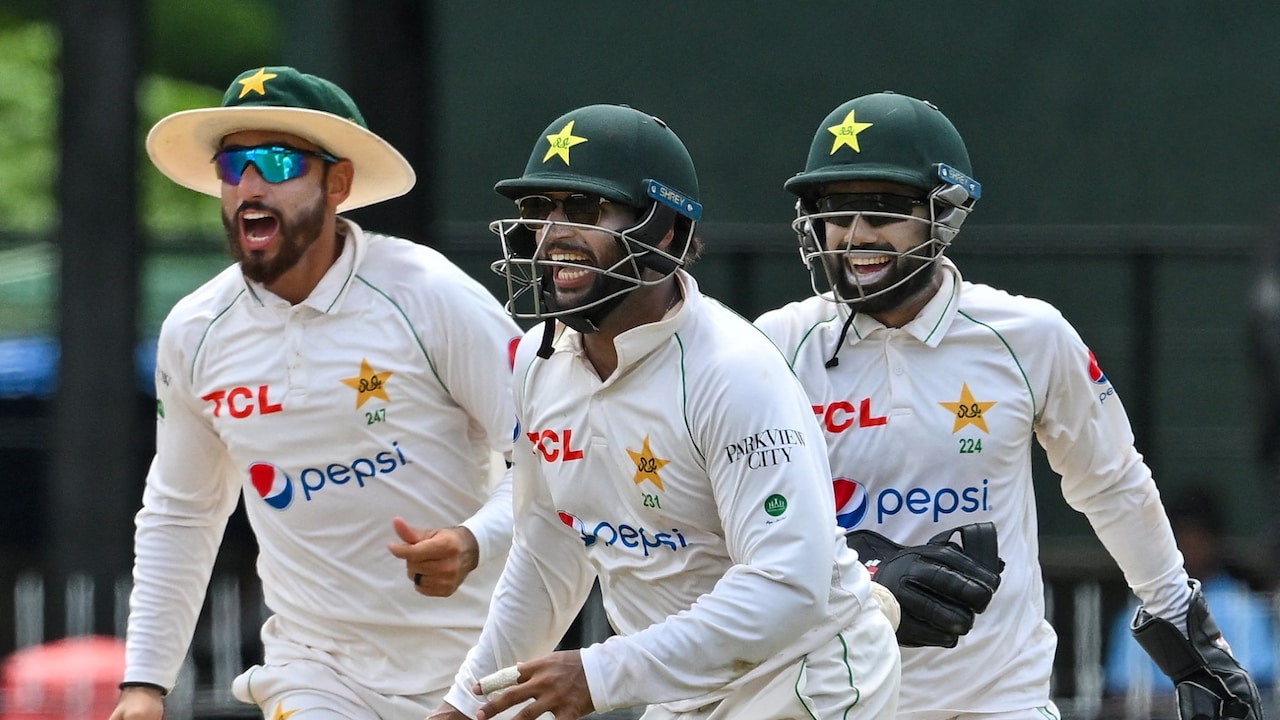
Imam-ul-Haq's Injury Controversy: A Dark Cloud Over Cricket
The cricketing world is abuzz with the latest developments surrounding Imam-ul-Haq, who may face a two-year ban due to a controversial injury incident. As the Pakistan Cricket Board (PCB) intensifies scrutiny over the matter, the fallout could have significant ramifications not just for Imam, but for the entire team dynamic. The implications of this controversy extend beyond the player; they touch on issues of player discipline and professionalism, particularly concerning wicketkeeper Mohammad Rizwan, whose conduct is reportedly under the PCB’s microscope.
Imam-ul-Haq has been a prominent figure in Pakistan’s batting lineup, showcasing his talent on numerous occasions. However, the latest report suggests that he might have misled selectors regarding the severity of his injury. This has raised eyebrows and led to calls for accountability within the team. As a player who has represented Pakistan in key international matches, his actions could be seen as a breach of the trust placed in him by the management and his teammates.
At this juncture, it is essential to evaluate the broader implications of such controversies on the team’s morale and preparation, especially with the T20 World Cup looming. The PCB has been proactive in addressing player discipline, and any punitive measures against Imam could set a precedent for future conduct.

Mohammad Rizwan's Discipline Under Scrutiny
While Imam faces potential sanctions, wicketkeeper Mohammad Rizwan finds himself in a precarious position as well. Reports indicate that the PCB is dissatisfied with Rizwan's recent conduct, and there may be strict repercussions on the horizon. Rizwan has been a linchpin in Pakistan's recent successes, known for his batting resilience and sharp keeping skills. However, if disciplinary issues are not addressed, they could overshadow his contributions on the field.
This situation raises questions about the leadership within the team. Players like Rizwan must set an example, especially when the stakes are high. With the PCB aiming for strict adherence to discipline, it seems evident that any further infractions could jeopardize not just Rizwan's position but the team’s overall integrity. The board's stance on player behavior is crucial to fostering a culture of accountability.
Tendulkar's IPL Reforms: A New Era?
In a different realm of cricket, Sachin Tendulkar has introduced reforms aimed at revolutionizing the IPL. The proposed changes – including the abolition of the impact player rule, a two-part powerplay, and a limit of five overs for each bowler – could significantly alter the strategic landscape of the tournament. These changes are intended to enhance the game’s competitiveness and restore traditional cricketing principles. Understanding how these reforms will be received by players and franchises remains to be seen, but they could reshape the immediate future of the league.
The IPL is known for its fast-paced action and tactics, and Tendulkar’s proposed modifications could lead to a shift in how teams approach matches. The two-part powerplay could encourage teams to adopt different strategies at various phases, making for more dynamic and engaging cricket. Furthermore, limiting bowlers to five overs each would necessitate a more balanced approach to squad selection, emphasizing depth in bowling resources.
The Broader Picture: Accountability and Integrity in Cricket
The controversies surrounding Imam-ul-Haq and Mohammad Rizwan, juxtaposed with Tendulkar’s reforms, highlight a critical juncture for cricket. As the game evolves, the importance of player integrity and discipline cannot be understated. The PCB’s potential actions against Imam and Rizwan may serve as a wake-up call for all players regarding the expectations placed upon them.
The respect and trust built within a team can be fragile. Players must understand their responsibilities not only to their teammates but to the sport as a whole. The integrity of cricket, particularly in high-stakes tournaments like the IPL and international competitions, depends on players adhering to a code of conduct that reflects the game’s values.
Conclusion: A Call for Reflection
As the cricketing fraternity watches these developments unfold, it is crucial for all stakeholders – players, management, and fans – to reflect on the direction the sport is headed. Imam-ul-Haq's potential ban and Rizwan's disciplinary concerns may be symptoms of larger systemic issues within cricket that require immediate attention. Tendulkar's reforms could also be seen as a response to the need for evolution in the game, emphasizing that while cricket remains rooted in tradition, it must also adapt to modern realities.
The interplay between accountability, player behavior, and strategic reform will shape the future of cricket. As the world gears up for the next cricketing carnival, the hope is that these lessons are effectively learned, ensuring a more disciplined and professional environment for players at all levels. Such a commitment to integrity will ultimately enhance the spirit of the game and inspire the next generation of cricketers.
For a deeper exploration of the ongoing controversies, read our coverage on Imam-ul-Haq's injury controversy and Stuart Broad's comments.