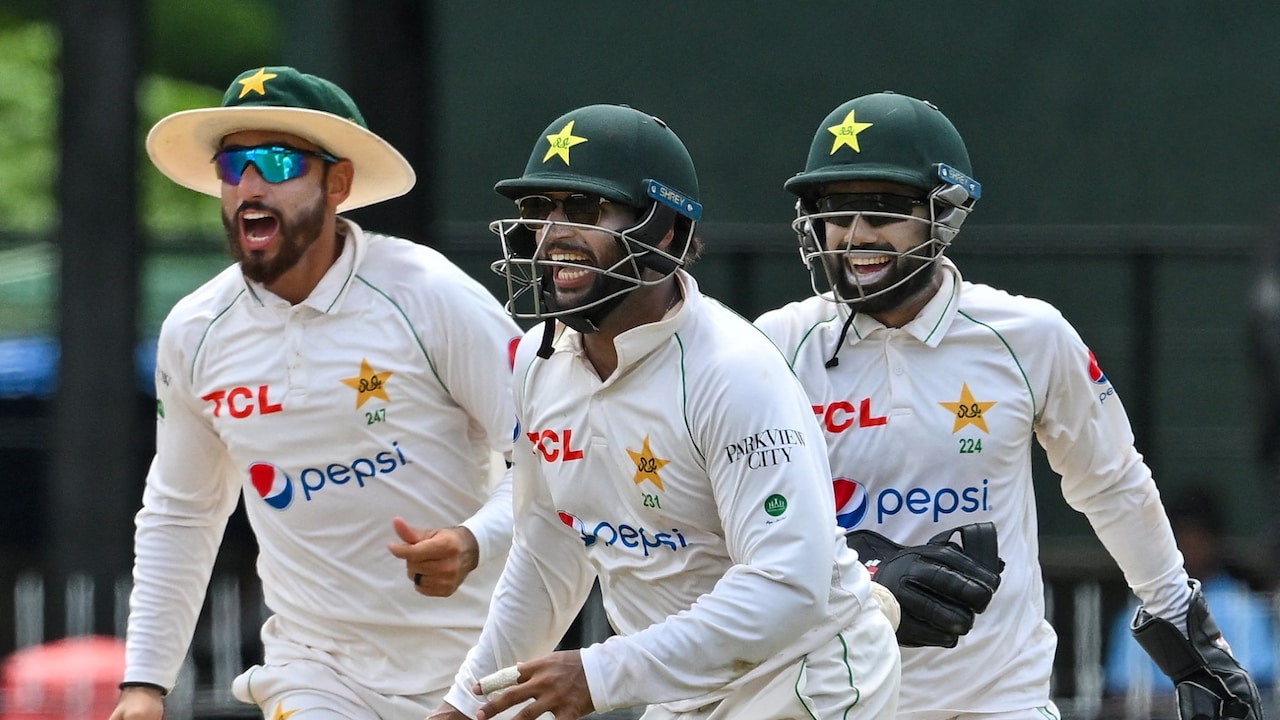
PCB Faces Criticism Over Player Conduct
In a decision that has sent shockwaves through the cricketing community, the Pakistan Cricket Board (PCB) has reportedly sent seven players from its touring Test squad back home, including prominent figures Mohammad Rizwan and Imam-Ul-Haq. This move comes just ahead of the third and final Test against England, raising eyebrows and igniting discussions around player behavior and team dynamics. The ramifications of this decision not only affect the players involved but also reflect a growing concern about the governance of cricket in Pakistan.
Reports suggest that the PCB's decision was influenced by behavioral issues during the ongoing series, which has already seen Pakistan struggle against a formidable England side. The dismissal of Rizwan, the team’s vice-captain and a player known for his reliability, raises questions about the leadership and future direction of the squad. With the series hanging in the balance, this turmoil could not have come at a worse time for Pakistan cricket.
The Fallout from the Decision
Rizwan, who has been a linchpin in Pakistan's batting order, was expected to show resilience and leadership in challenging conditions. Imam-Ul-Haq, another crucial player, has been pivotal in forming solid partnerships at the top of the order. Their absence not only depletes the team’s experience but also raises doubts about the PCB's ability to manage player relations effectively.
The PCB has not publicly detailed the nature of the behavioral issues, leaving fans and analysts speculating about what might have transpired. The decision to send players home amid an ongoing series indicates a lack of cohesion within the team, which is alarming for a nation that has historically relied on strong performances in high-pressure situations. This is not the first instance of controversies surrounding PCB's management. The cricketing body has faced scrutiny in the past for its handling of player conduct and disciplinary measures. An example can be seen in the historical context with players like Sharjeel Khan, who faced bans due to off-field issues.

Iceland Cricket Joins the Fray
As if the situation couldn't get more heated, Iceland Cricket has taken to social media to mock the PCB, offering an “all-expenses-paid trip” for the players involved. This cheeky jab highlights the growing discontent not only among fans but also the broader cricketing community regarding the governance of cricket in Pakistan.
The post by Iceland Cricket serves as a reminder of how the challenges within the PCB have become a source of ridicule, especially when compared to the professionalism exhibited by other cricket boards. The international response showcases a broader narrative where Pakistan cricket is seen as being in a state of disarray. The fallout from Rizwan and Imam’s exclusion is likely to have lasting effects, especially on young players who look towards seasoned campaigners for guidance and mentorship.
The Path Forward for Pakistan Cricket
As the team gears up for the final Test against England, the PCB is left with the daunting task of redefining its squad. This includes addressing not just the technical aspects of their game but also the psychological components that contribute to player behavior. A focus on mental health and team cohesion is essential if Pakistan cricket wishes to restore its reputation and competitive edge on the international stage.
The new players brought in to replace Rizwan and Imam-Ul-Haq will need to step up and deliver performance under pressure. The challenge is not just about putting runs on the board or taking wickets but also about instilling a sense of unity and purpose within the squad.
Historical Context: A Pattern of Mismanagement
This isn't the first time the PCB has faced criticism for its handling of player issues. The board has a long history of controversies, including high-profile player bans and disputes that have haunted the team over the years. The ongoing saga of Mohammad Amir, who faced a ban for his involvement in spot-fixing, showcases the PCB’s struggle with maintaining discipline and upholding the integrity of the game. The public's patience seems to be wearing thin as calls for reform intensify.
Pakistan cricket must learn from these missteps. Implementing strict guidelines regarding player behavior and fostering an environment of accountability could be key steps in restoring the board's credibility. There must be a focus on nurturing talent while ensuring that players understand the responsibilities that come with representing their country.
Conclusion: The Road Ahead
The PCB stands at a critical juncture where its decisions will shape the future of cricket in Pakistan. As they navigate these tumultuous waters, the focus should be on rebuilding trust, both within the team and with the fans. The cricketing community will be watching closely to see how the PCB addresses these issues moving forward. The aim should not only be to field a competitive team but also to cultivate a culture of professionalism and integrity.
In conclusion, the ongoing issues surrounding Rizwan and Imam-Ul-Haq serve as a stark reminder of the challenges faced by cricket administrators globally, but particularly within Pakistan. The board's ability to rectify this situation will measure not just their immediate success, but their long-term legacy.
For more on cricket governance issues, check out our coverage on BCCI Suspends Rohit Yadav Amid Cricketer Crackdown and BCCI Raises Alarm Over IPL's Impact on Player Health.