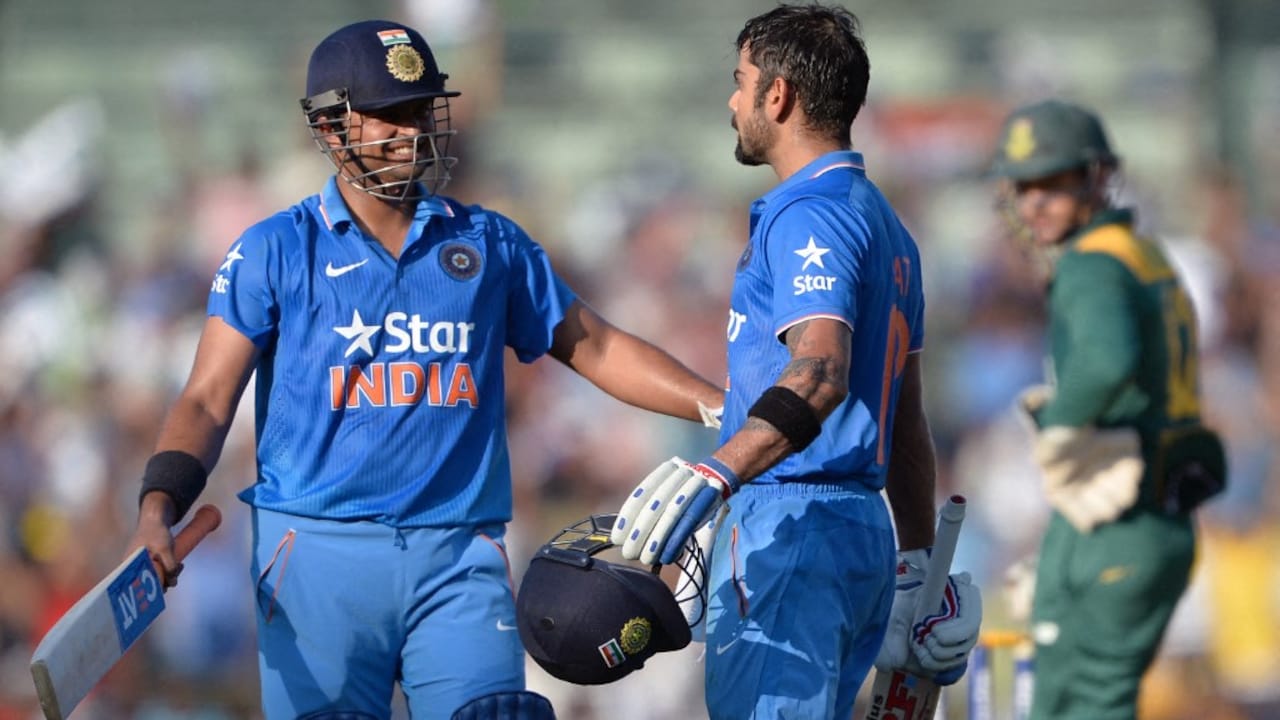
Suresh Raina's Revelations on India's World Cup Journey
In a recent interview, former Indian cricketer Suresh Raina dropped a bombshell regarding the dynamics within the Indian cricket team during the tumultuous period of the Virat Kohli-Anil Kumble era. Raina, who retired from international cricket in 2020, has been vocal about the challenges faced by the team, particularly in light of their disappointing ouster from the 2019 ODI World Cup in England. This revelation has reignited discussions about team cohesion, leadership, and the crucial moments that define a national side’s journey.
The 2019 World Cup: A Bitter Exit
India entered the 2019 World Cup as one of the pre-tournament favorites, boasting a strong squad filled with talent. Yet, the exit in the semi-finals against New Zealand was a gut-wrenching moment for fans and players alike. Raina’s comments shed light on the internal strife that may have contributed to that disappointing campaign. He emphasized that the environment within the team was not as harmonious as it should have been, impacting performance on cricket's biggest stage. The fallout from the semi-final loss has lingered, with questions raised regarding the handling of player dynamics and team morale.
Raina stated, "The players' mindset was affected by the incidents leading up to the World Cup. There were issues that needed addressing, but they were brushed aside. It was a tough time for all of us." His assertion suggests that the leadership dynamics under Kumble, coupled with Kohli’s aggressive captaincy style, may have created friction amongst the players.

Leadership and Team Morale
One of the most significant aspects of Raina’s critique revolves around leadership. Anil Kumble, a legendary spinner and a former captain, took charge as coach in 2016, but the relationship between him and Kohli reportedly soured over time. Raina’s insights suggest that this discord affected the players, leading to a lack of unity at a critical juncture. Kohli, known for his fierce competitive spirit, often thrived under pressure; however, it appears that the environment created by Kumble’s coaching methods may not have resonated with the group.
The contrast between the two leadership styles raises questions about the adaptability of a team to differing management approaches. Kumble’s analytical, disciplined style was perhaps at odds with Kohli’s energetic and instinctual leadership. Raina’s experience indicates that this dissonance may have contributed to the team’s inability to execute under pressure during the knockout stages of the tournament.
The Aftermath of the World Cup
The aftermath of the 2019 World Cup saw significant changes in the Indian cricketing landscape. With Raina’s retirement marking the end of an era for many veteran players, the focus shifted to a younger generation. Raina’s departure from international cricket was not just about performance; it also symbolized a shift in team dynamics and the emergence of a new breed of players ready to take on the mantle. He noted, "As a senior player, it was disheartening to see the team struggle when we had so much potential. But it was also time for new players to step up."
The transition phase that followed brought forth an exciting mix of young talent, highlighted by the likes of Shubman Gill and Ruturaj Gaikwad, who have showcased their prowess in the IPL and international arenas. This rejuvenation has sparked hope for Indian cricket's future, but the lessons from the 2019 World Cup remain crucial for the administration and coaching staff.
A New Era in Indian Cricket
The evolving landscape of Indian cricket is reflected in the recent IPL seasons, where franchises like RCB and KKR have made significant strides toward building competitive squads. The emphasis on player management and psychological well-being has taken center stage, acknowledging the impact of mental health on performance. The IPL serves not only as a platform for talent but also as a breeding ground for future leaders in the sport.
In the context of Raina's observations, it is essential to foster an environment that prioritizes open communication and collective goals over individual ambitions. As teams prepare for the upcoming season, the focus must be on creating cohesive units that can withstand the pressures of high-stakes cricket, particularly with the looming specter of international tournaments.
Conclusion: Lessons Learned
Suresh Raina's reflections serve as a reminder of the complexities involved in team dynamics and leadership in cricket. The Indian team, despite its wealth of talent, must learn from past experiences to ensure that history does not repeat itself. Leadership, both on and off the field, plays a pivotal role in shaping a team's destiny, and as the IPL approaches, all eyes will be on how these lessons are applied.
For more insights on player dynamics, check out our coverage on RCB Aims for Glory Against PBKS in IPL 2026 Showdown and RCB vs SRH: IPL 2026 Kicks Off in Bengaluru. The upcoming season promises to be an exciting chapter in Indian cricket, and Raina’s insights remind us of the importance of unity and resilience in the pursuit of glory.